Earlier this year, during the summer, my husband and I went to a farmer’s market outside of Ottawa. Come to think of it, it’s the only time we’ve been to a farmer’s market since the pandemic started. It was surreal lining up outside of the market wearing masks and waiting for hand sanitizer. At that time, wearing masks was still becoming a social norm and I felt a bit self-conscious. We did a loop around the market, picked up a braid of summer garlic, and some ears of peaches & cream corn.
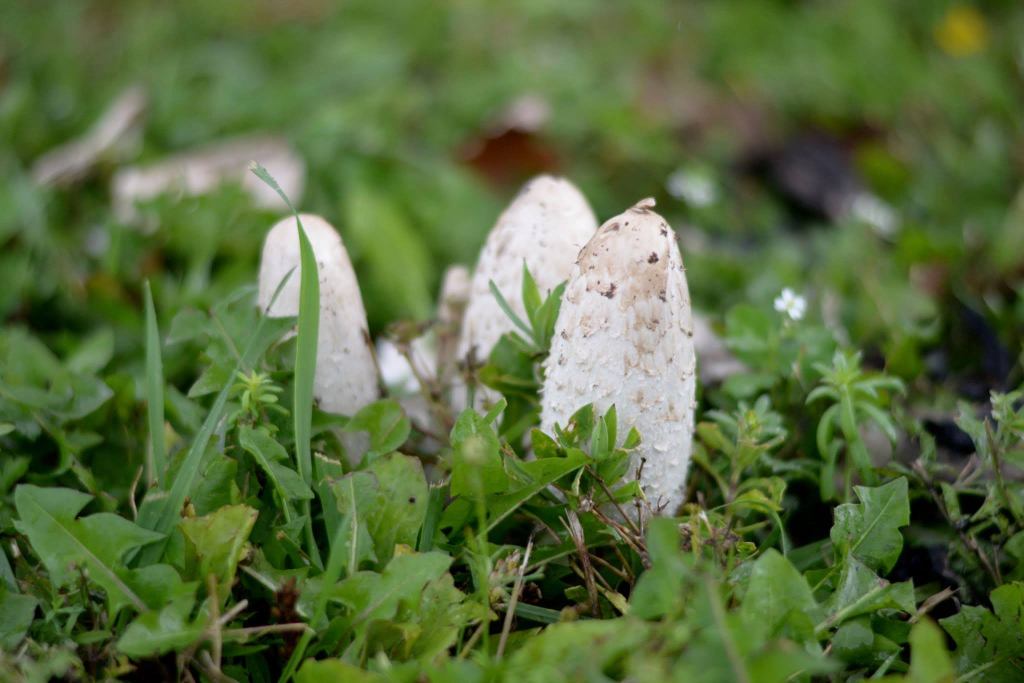
While we were getting ready to leave, a farmer selling mushrooms caught my eye. We stopped to talk to him, he told us about the different mushroom varieties he grew and how he had taken a course on how to forage and grow mushrooms in the Kingston area. I was enamoured. I’ve always loved mushrooms. As a teenager I often went to the forest, camera in hand, taking macro shots of fungi. I’ve never been brave enough to forage mushrooms myself, however, someday I would love to take a course to better understand which are edible and which are not.
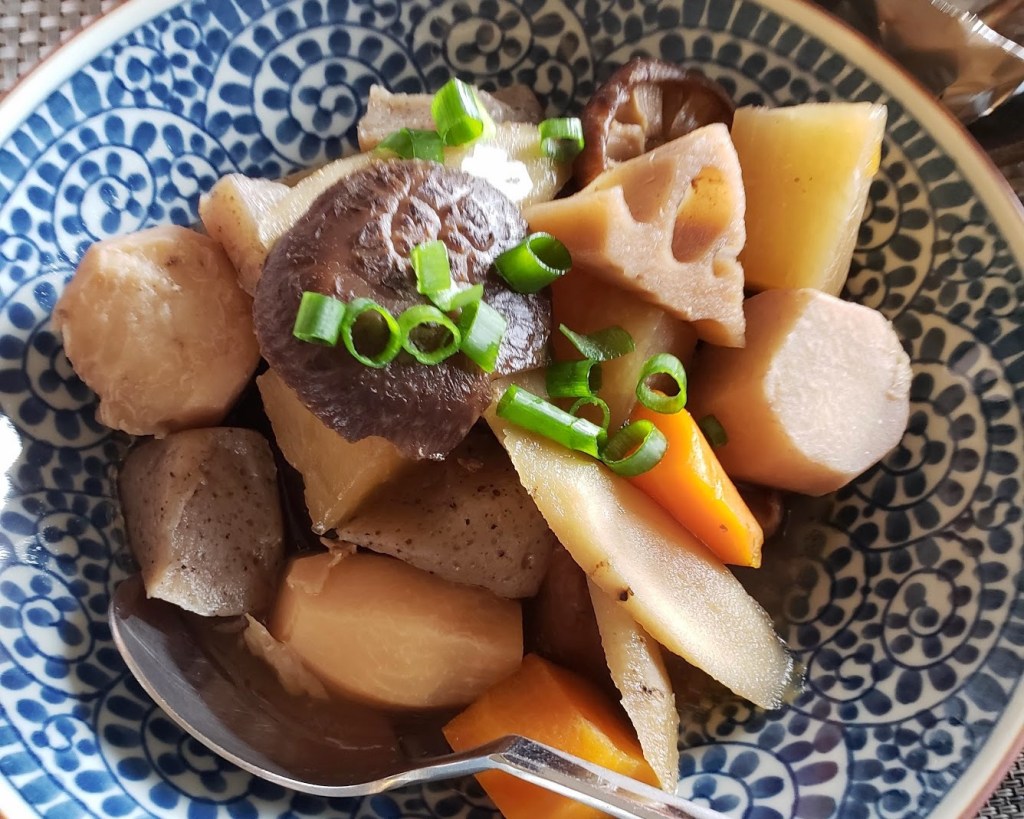
My fascination with mushrooms increased when I lived in Japan. In Japan, fruits and berries are often more expensive than they are in Canada. When I lived in Tokyo, I had a limited budget as a graduate student, which continued later as I became a teacher and freelance researcher. I couldn’t afford to buy fruits that I would typically buy in Canada, but I still wanted to eat healthily. I noticed that there was an abundance of mushrooms that I was unfamiliar with, at a very reasonable price, when grocery shopping. In Japan, at a typical supermarket you can find enoki, shimeji, shiitake, eryngii, and nameko, amongst other varieties of mushrooms. You also often encounter mushrooms when you go out to eat; they’re incorporated into stews, soups, rice dishes and omelettes. I personally often bought shimeji (one of the cheaper varieties) for dinner.
Coming back to Canada I missed the variety of Japanese mushrooms that were available to me before. I was still able to find enoki, eryngii, and even shiitake, but it was a little more challenging to find shimeji. On the other hand, I discovered that many mushroom varieties that I was unable to obtain in Japan were available here. When I met the mushroom vendor at the farmer’s market, I was excited about the possibilities of learning about different types of mushrooms (and maybe trying my hand at growing some of my own).
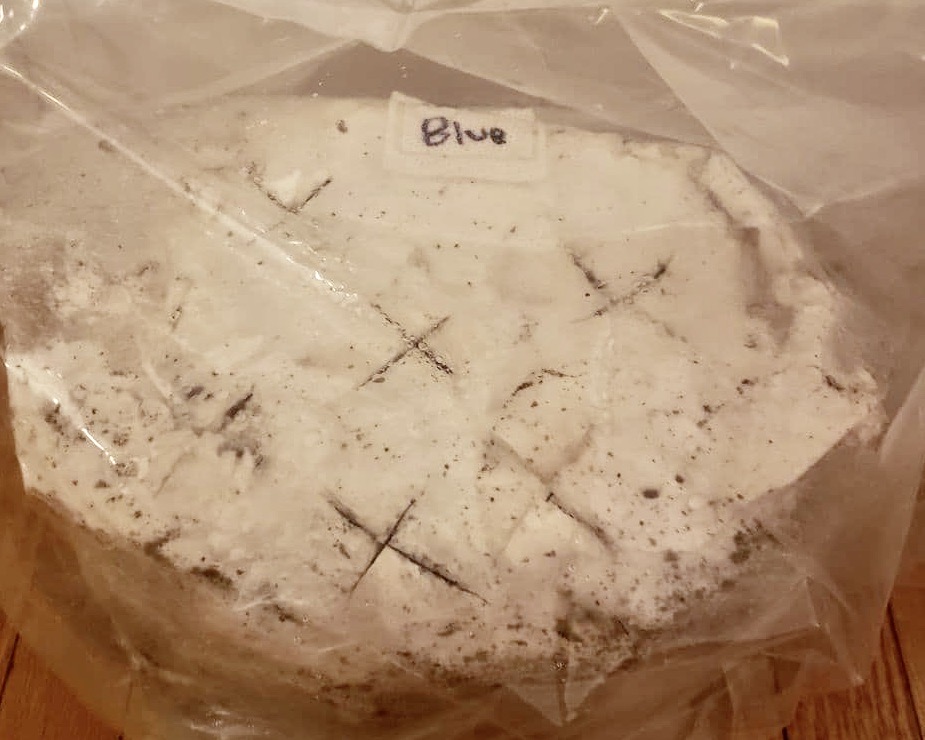
A few months later, I was reading a recent edition of the Edible Ottawa magazine, when I came across the Fungi Connection. They’re a mushroom farm in the Kingston area that develop a wide variety of mushrooms for local restaurants including lion’s mane, pink oyster, and blue oyster. Luckily for me, they also sell mushroom kits. I ordered my blue oyster mushroom kit a few weeks ago and picked it up at the farm. It was a strange looking white block that came sealed in a plastic bag. The farmer gave me some paper instructions and told me that I could contact her if I had any problems.
I later learned that the strange white block was actually a mix of mushroom mycelium and sawdust. Mycelium can be described as “the vegetative body for fungi that produces mushrooms“. According to Fungially mycelium can be thought of as a root system whereas mushrooms themselves can be thought of as fruit or flowers. You can learn more about mycelium here. In order to activate the mycelium and begin the ‘fruiting’ process, I had to cut three inch “X”s into the mycelium, mist the block, cover it with a humidity tent (clear plastic bag) and put it in a cool place with in-direct sunlight.
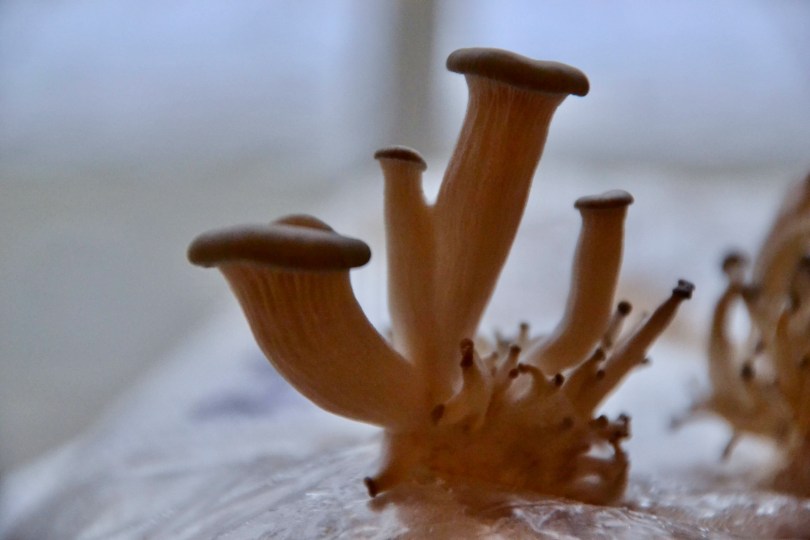
Over the past week or so, I have been dedicated to misting my mycelium block three times a day. For the first few days I was a bit skeptical, as it appeared that nothing was actually happening. However, one day seemingly dozens of tiny black heads began to sprout from the mycelium’s white surface. Hour after hour those heads grew in size, doubling day after day until the point that they began to flatten out.
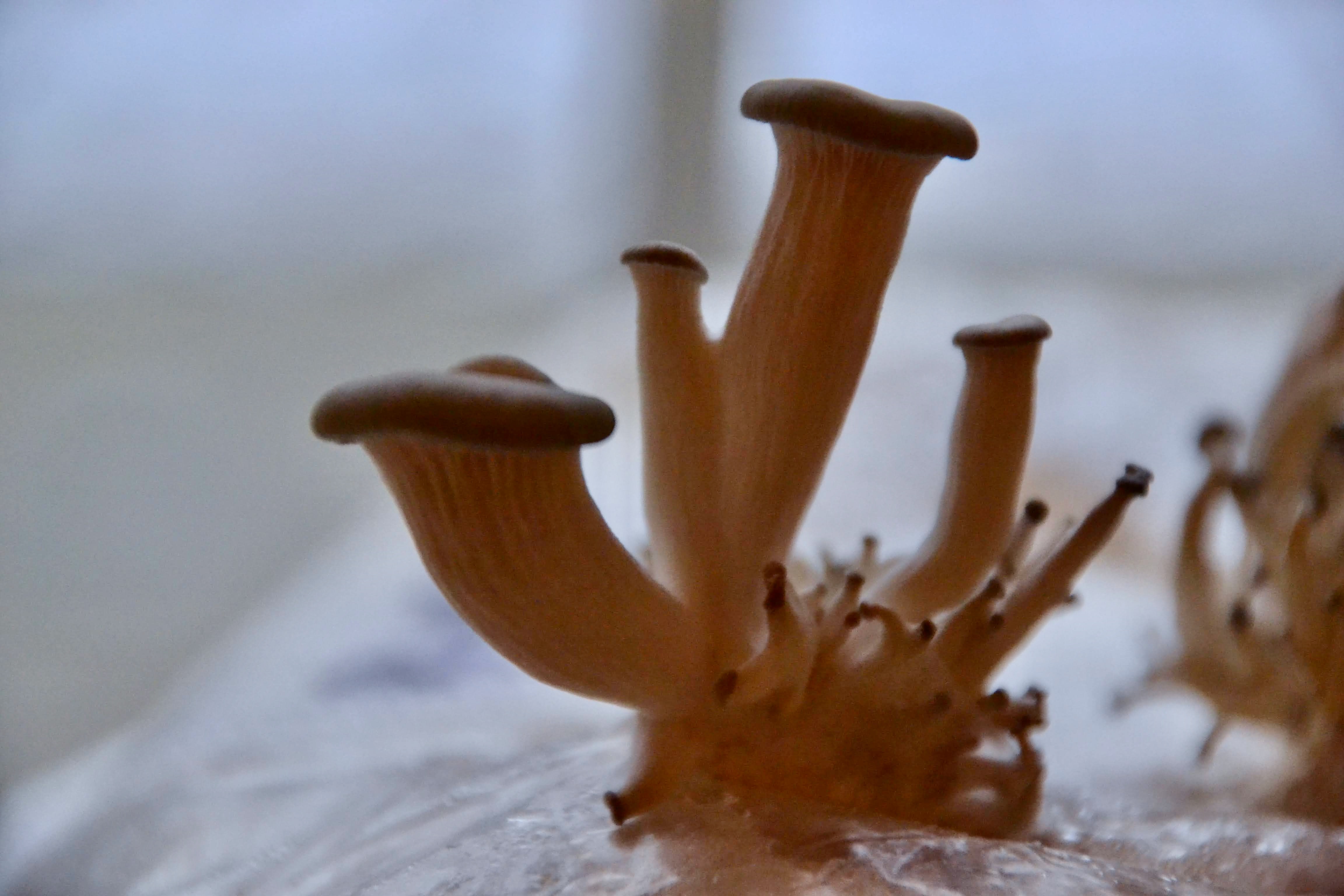
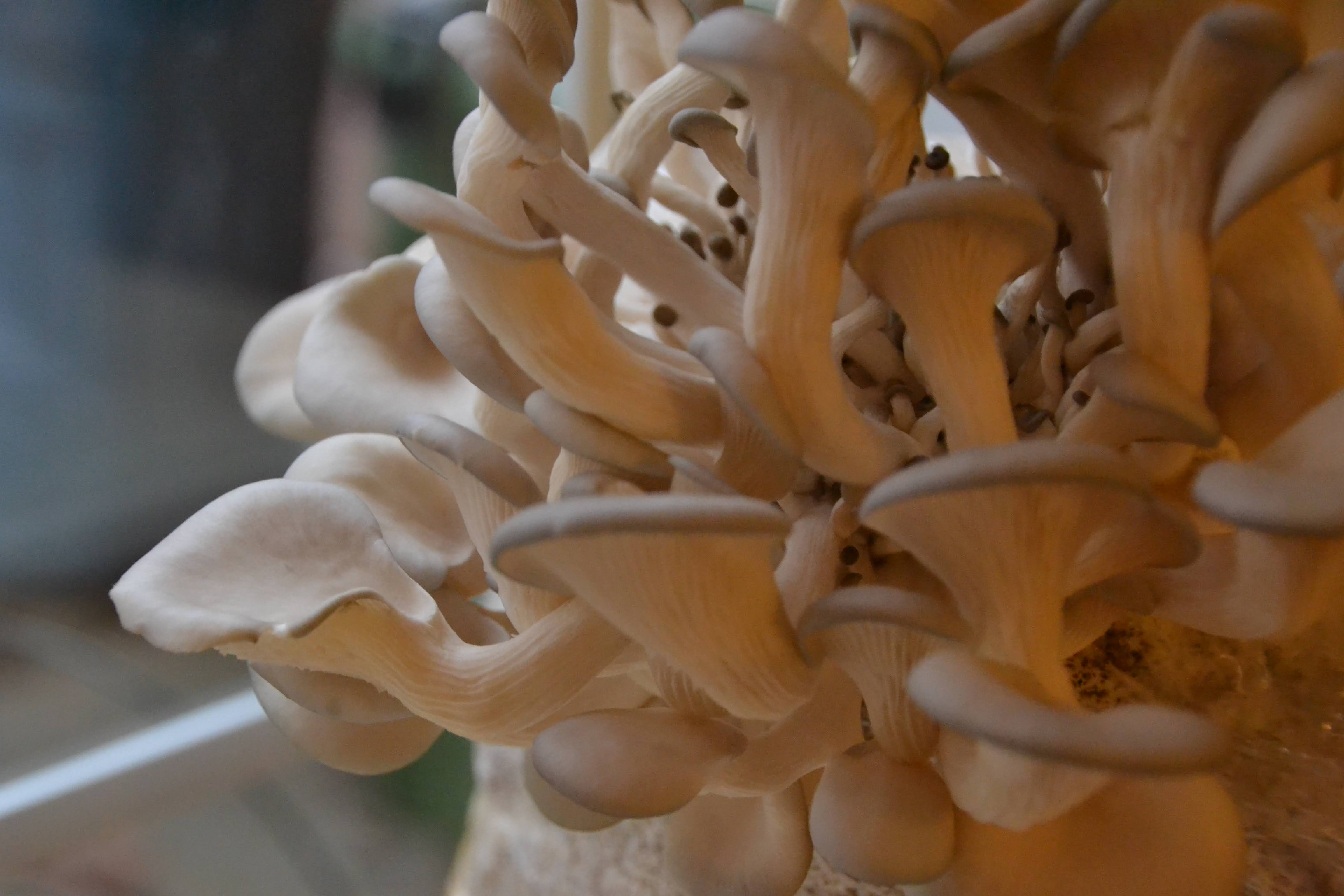
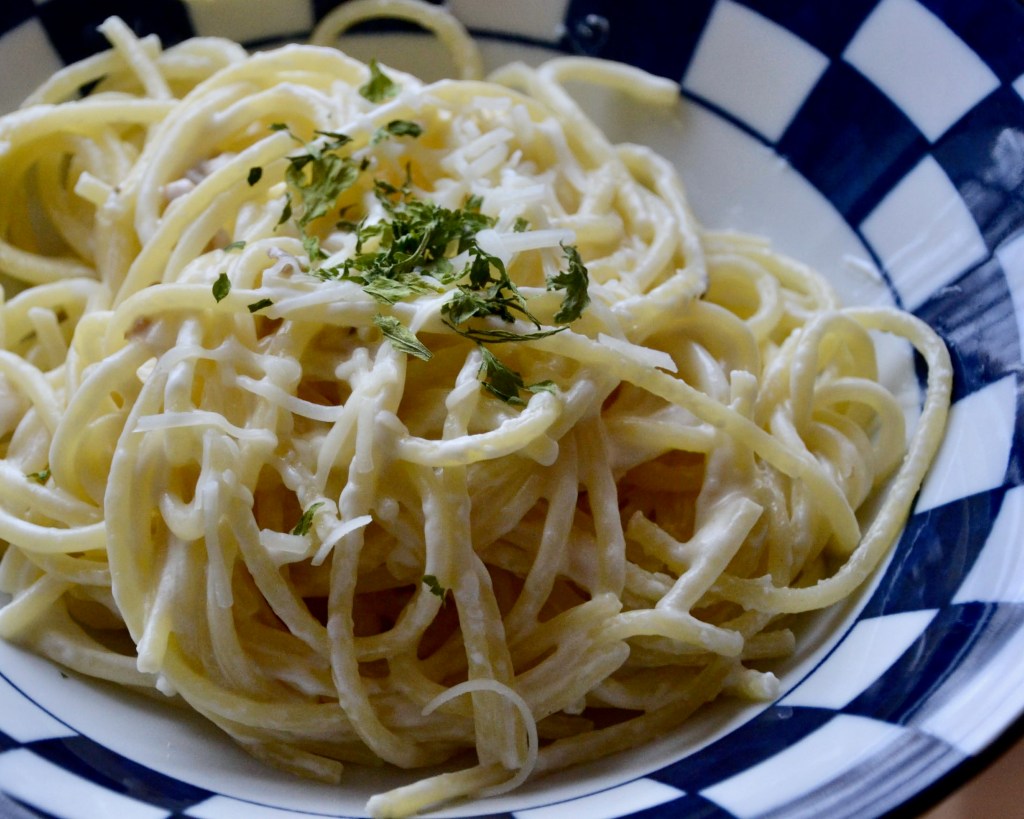
Once the mushrooms were large enough, I completed my first round of harvesting and made some spaghetti, which you can see below. I’m excited to try the mushrooms out with other recipes, there’s still quite a lot left, and even after we harvest all of this batch there should be two or more rounds. Once the mycelium block stops producing mushrooms we can compost the block in our composter.
While I’m still just beginning my journey of understanding mushrooms, in learning more about oyster mushrooms and mycelium I discovered Paul Stamets, a mycologist, and medical researcher intent on spreading knowledge about mushrooms. His YouTube channel is quite interesting, he also has done some Ted Talks that I recommend.
 Cosmos and Chickadees
That’s wonderful! I couldn’t imagine how you grow these mushrooms!
LikeLiked by 1 person
Thank you M.A.!
LikeLike
Mushrooms are pretty unbelievable!
LikeLike