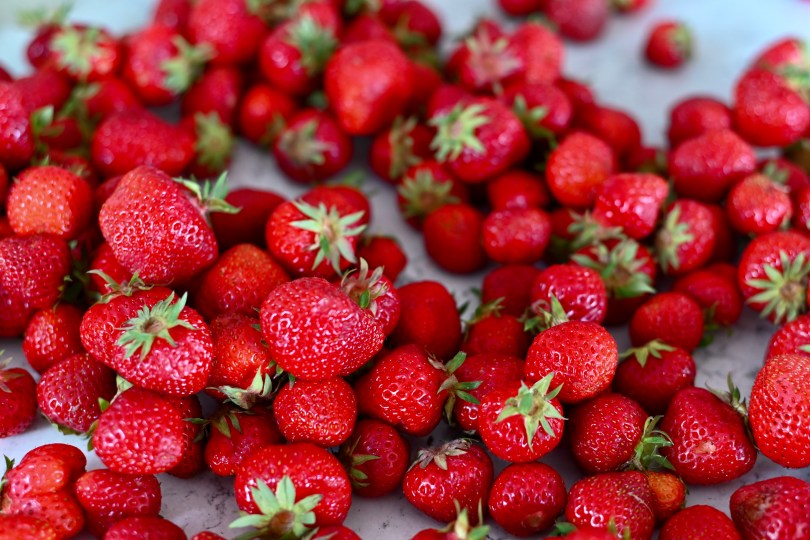
During the last few weeks we have entered berry season in our region of Ontario. Our strawberries were ripe in mid to late June, which was quite nice since it was our first time. My husband and I started a tradition of picking strawberries on Canada Day (July 1) so we were excited to extend that to our son this year. We found a local farm down the road as per recommendation by one of the other villagers and it was absolutely lovely! Since my son wakes up around 5:30 to 6 AM we were able to go berry picking around 8 AM, when it was still cool outside and there was no other people. There has been a lot of rain this year, in comparison to last year, and the strawberries are incredibly plentiful! We were able to get 6 litres of strawberries within a half hour and didn’t even have to move more than a few feet! Last year, I remember Canada Day was very hot and dry. The farm where we picked strawberries was quite wild so we struggled through thorns and brambles to find a few small berries. This year was much better.
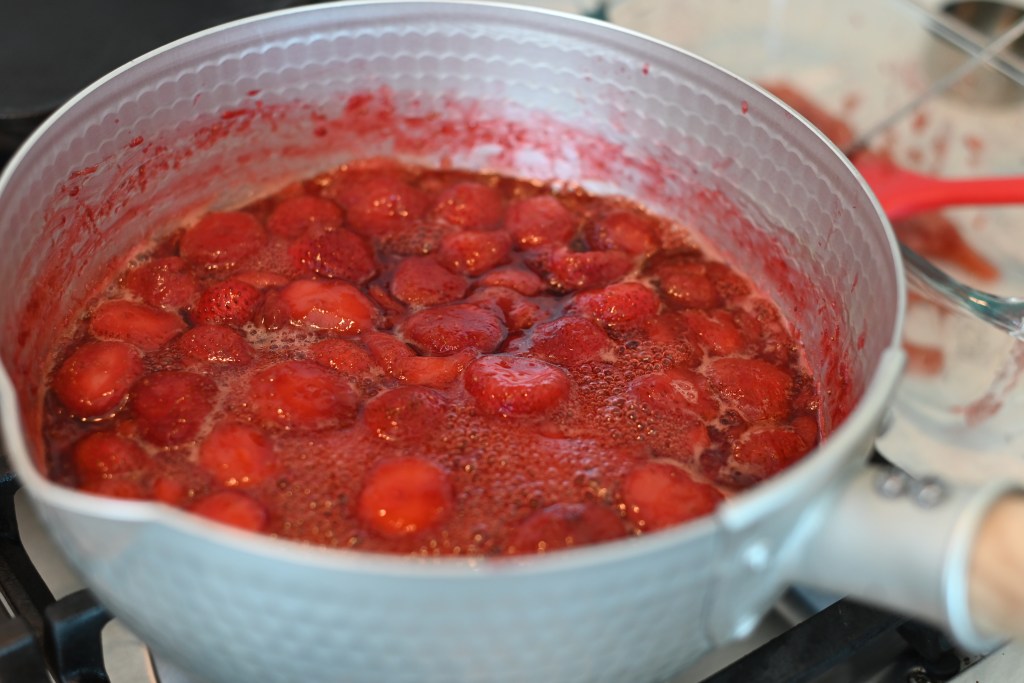
As part of our strawberry picking tradition, my husband likes to make lots of jam that we can use for summery drinks, pancakes, yogourt and toast. Last year, we ran out of white sugar one day and visited our local health food store to buy some. They didn’t sell any white sugar, but the owner recommended us trying maple syrup as a local alternative. Albeit a bit more expensive, it’s (in our minds) healthier and local. So my husband decided to try using maple syrup instead of sugar when making jam. Last year he made his first attempt of using maple syrup instead of sugar when making jam, however, it didn’t mix well and separated similar to oil and water. This year he decided to try again. When he searched online he was unable to find maple syrup strawberry jam recipes that didn’t use sugar, so he had to experiment with a few different methods.
- Equal parts crushed strawberries, whole strawberries and maple syrup with no soaking before boiling into jam.
- Two thirds whole strawberry, one third maple syrup with 8 hours of soaking prior to boiling into jam.
- Equal parts crushed strawberries, whole strawberries and maple syrup with 8 hours of soaking before boiling into jam.
The third method was the most successful!
Apart from strawberries, in the past couple of weeks we have also had the opportunity to try wild black raspberries, farmed raspberries, black currants and haskaps! Our village oddly has an abundance of wild black raspberries, which is something I learned recently. The raspberries start out little and red and become black as they ripen. I was excited to discover some wild raspberries on the side of our property as well underneath some honeysuckle trees. I’m waiting to confirm about whether they are edible or not before I try them out. My friend, who has a large property that includes a field and forest, picked some beautiful black raspberries for me yesterday. They’re very sweet and delicious!
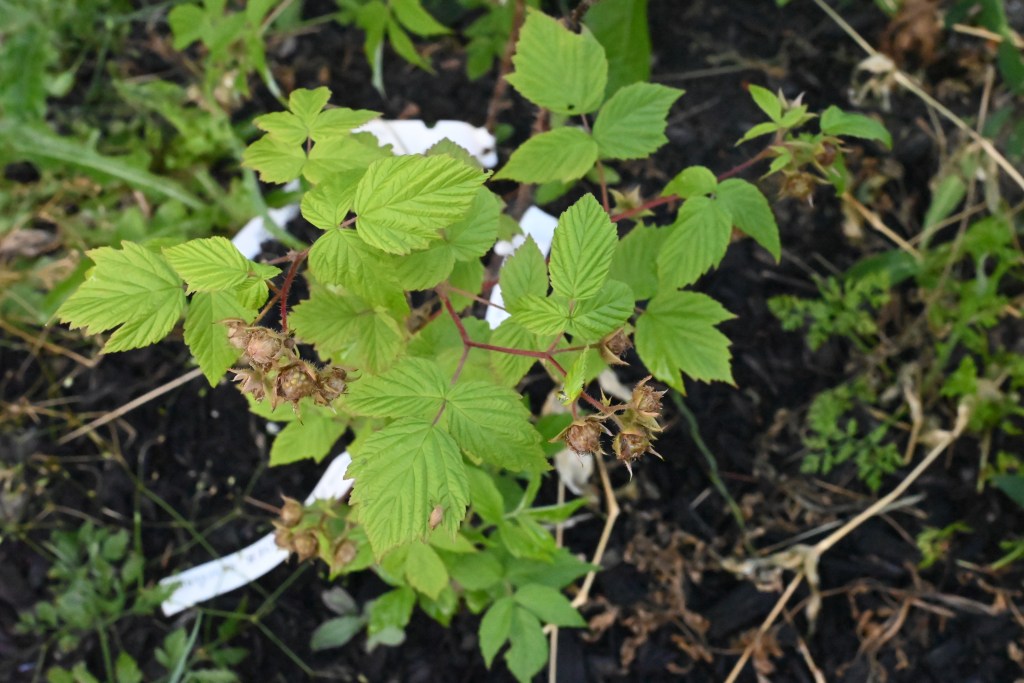
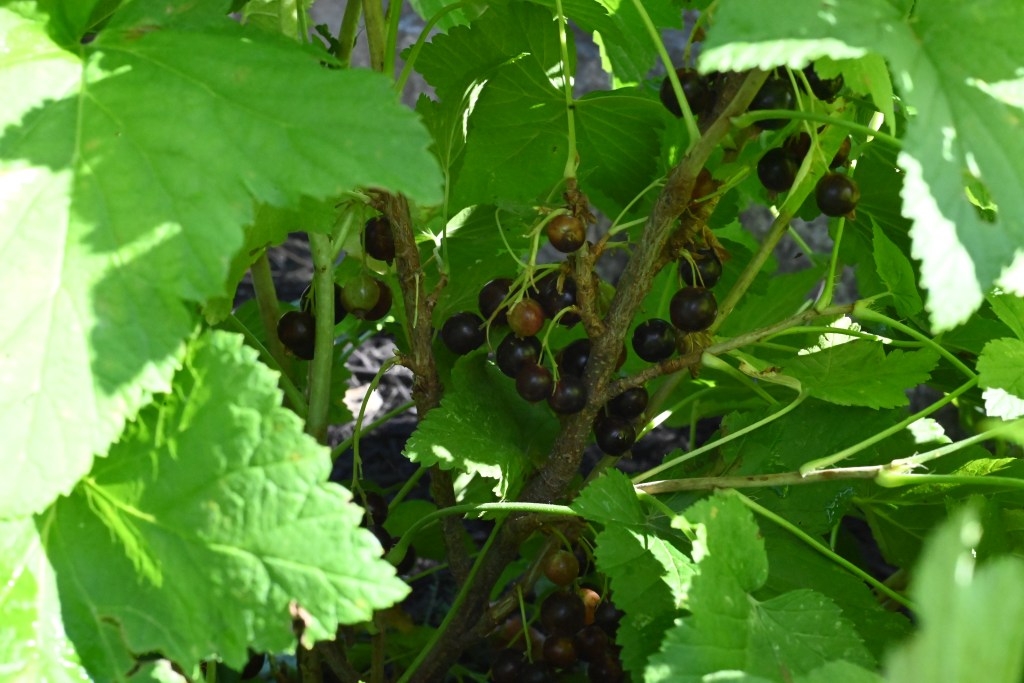
We bought black currant bushes last year that we planted in the back of our house, which we intend to become a hedgerow / food forest. We chose them because they are native and should reach a good height that would allow for us to have a bit more privacy. I had never had black currants before growing them, they’re tart but apparently quite good in baked goods. I’m collecting more everyday as they ripen, and once I collect enough I plan to make something with them. Not sure what yet, though.
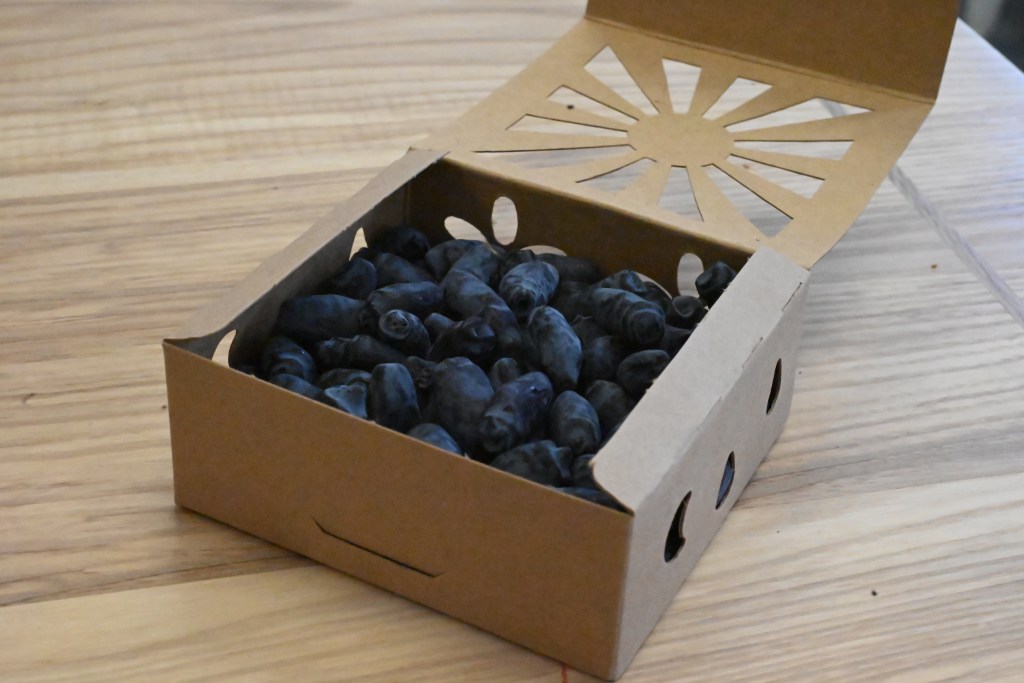
Finally, we tried out haskap berries for the first time. Haskap berries are apparently native to Canada (in addition to Japan and Russia), but were not commonly known or popularized until quite recently. I learned about a haskap berry farm in Perth last year but unfortunately the season was already over when I discovered it. This year we were lucky to be able to try haskaps. They look like little footballs or elongated blueberries and have a tart, citrus-like taste. They’re quite popular to the point of even being able to buy bushes at gardening centres now!
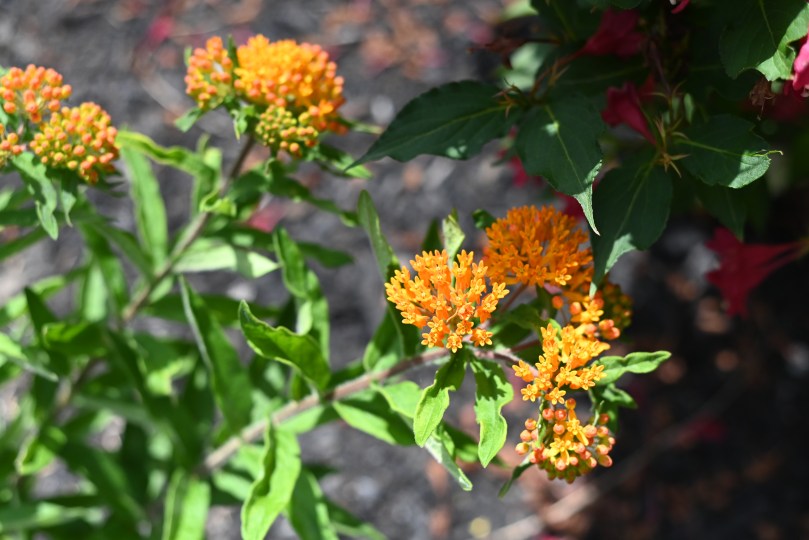
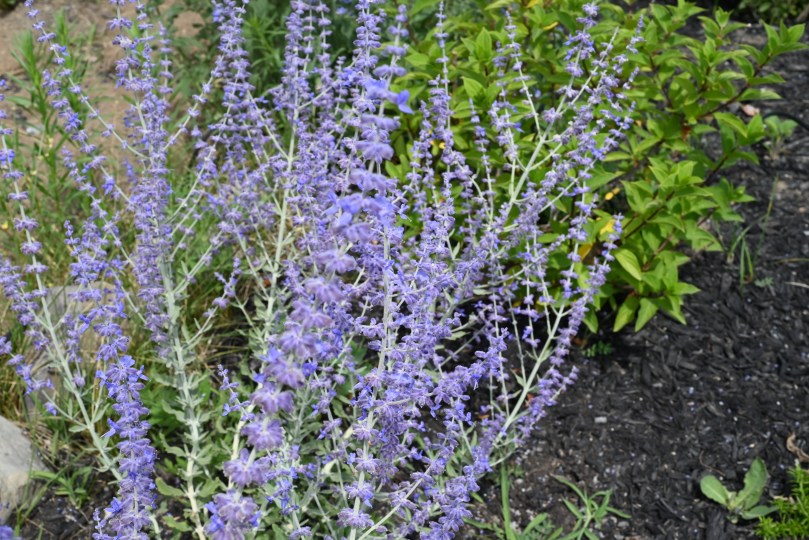
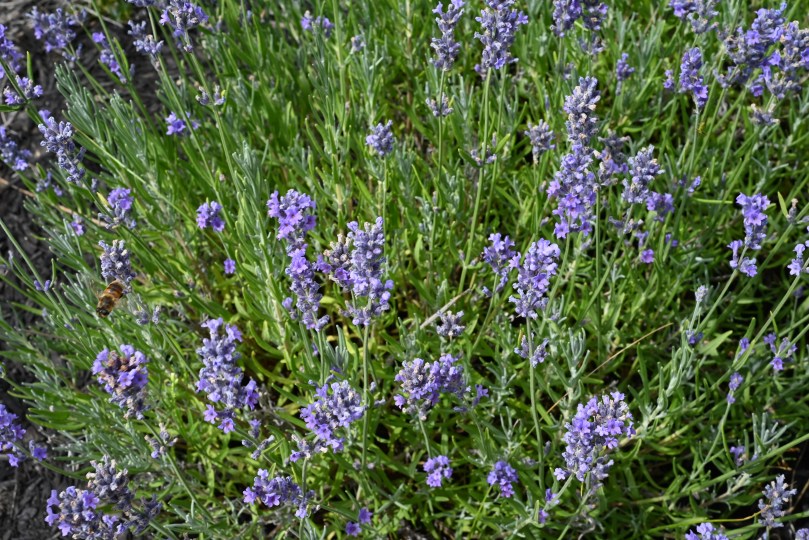
Our plants are starting to come into full bloom and are quite pretty. The grass, on the other hand, is really dry wherever we go in Ontario (apart from places where they are watering it daily). Seeing how crunchy and dead grass is everywhere only motivates me more to gradually remove our own grass and increase our garden with resilient, native, drought-tolerant plants. After going away for a couple days it’s amazing to see that our lavender, sage, bee balm and cone flowers are thriving while our grass has become more or less a desert. It makes sense given that the common grass we use on lawns comes from rainy areas in Europe like England and isn’t adapted to the hot climate of Ontario in the summer.
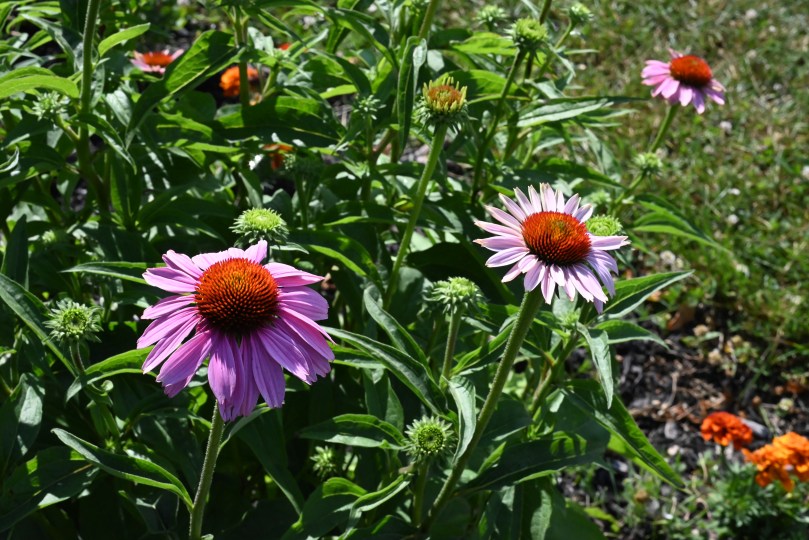

- Coneflower
- Butterfly weed
- Sage
- Lavender
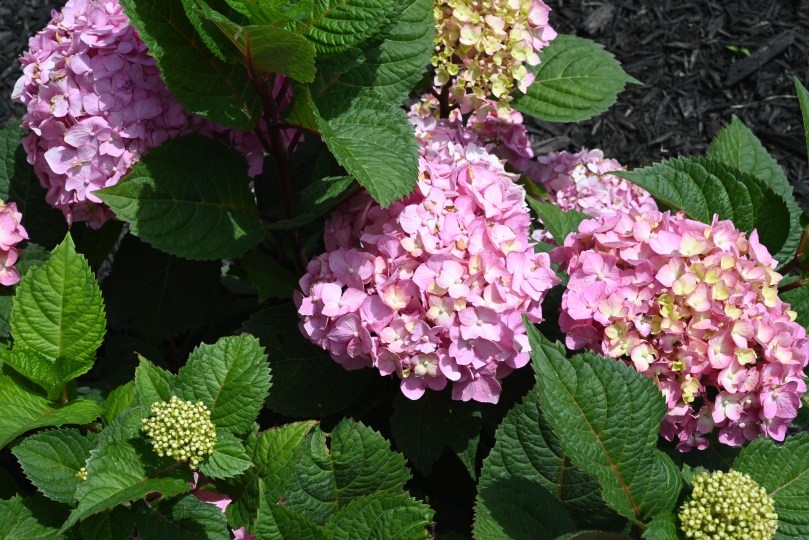
- Hydrangea
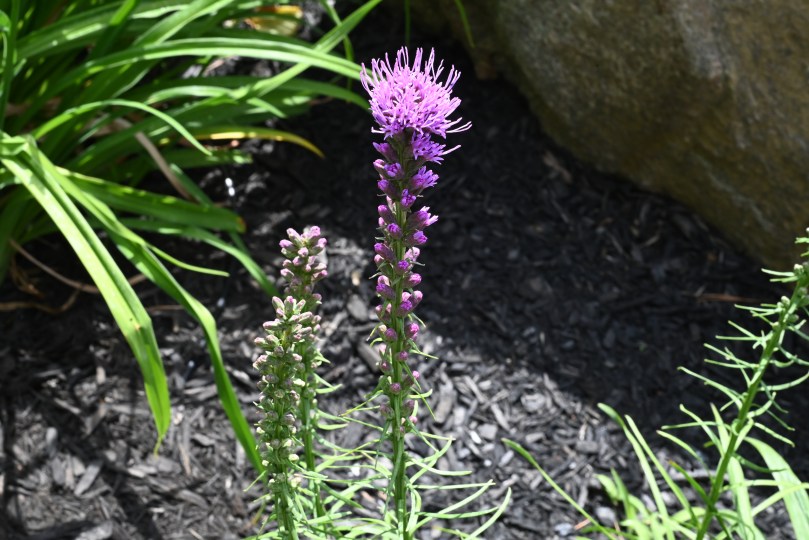
- Blazing star
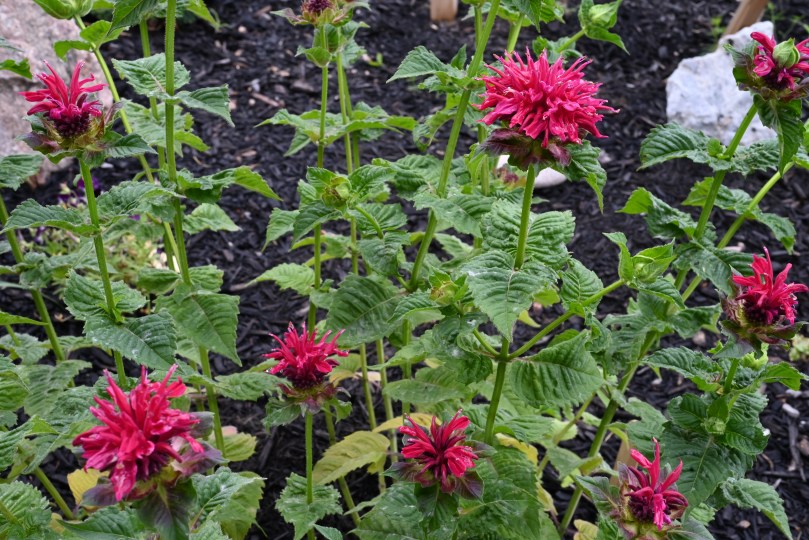
- Bee balm / Monarda
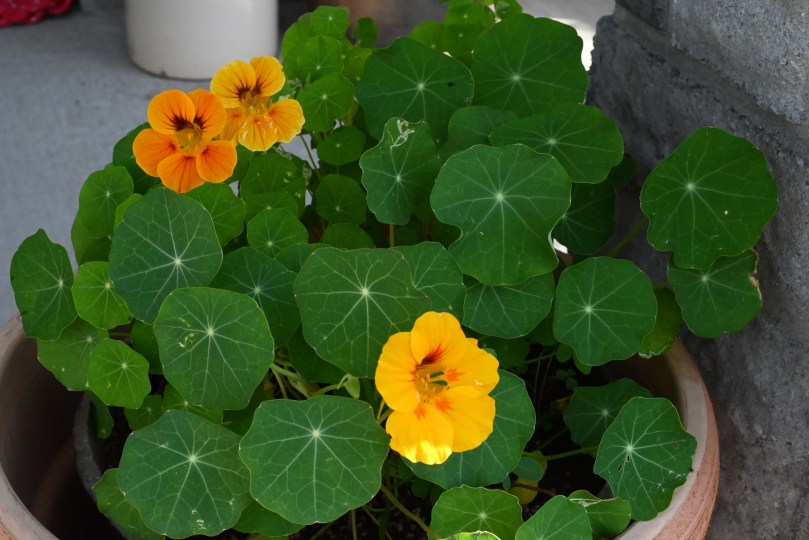
- Nasturtium
- Lupines
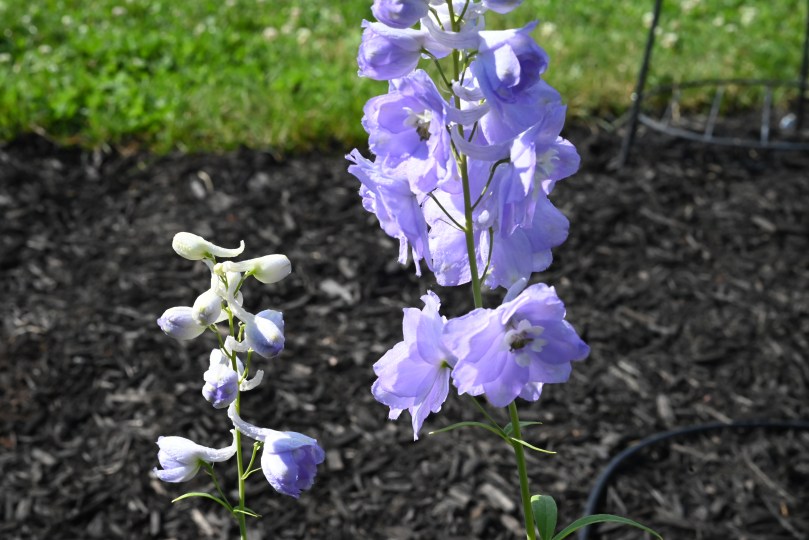
- Delphinium
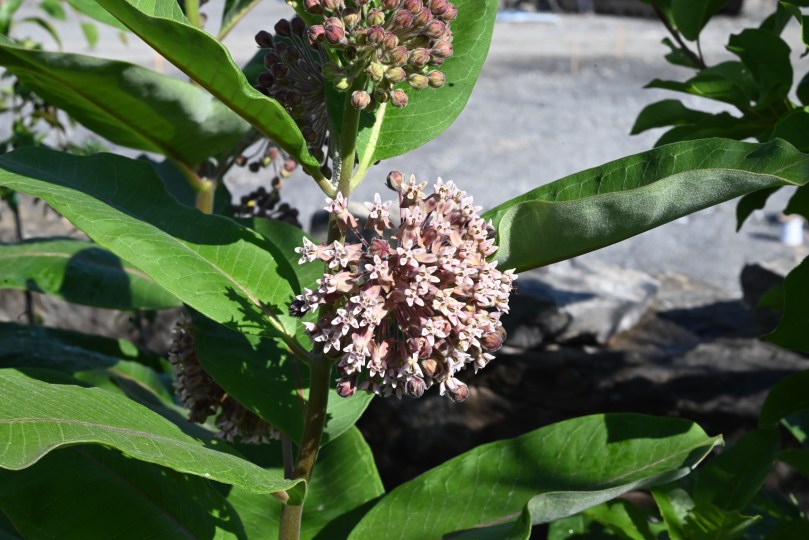
- Milkweed
Those are some things blooming now! I’ll post again in a little while.
 Cosmos and Chickadees
Love this
LikeLike
Wow wow wow. Such a neet tradition. I’ll keep in mind next Canada Day.
LikeLike