Slowing down and preparing for next year

Hi! I have been trying to write a new blog post for a month or so, but every time I get halfway through a post I get distracted. My son has started crawling and pulling to stand, so to say my life has gotten busier would be an understatement. That being said, I’m enjoying spending quiet time in my garden watching my son explore nature. He likes to pick grass and flowers, then gradually pull them apart carefully one piece at a time.

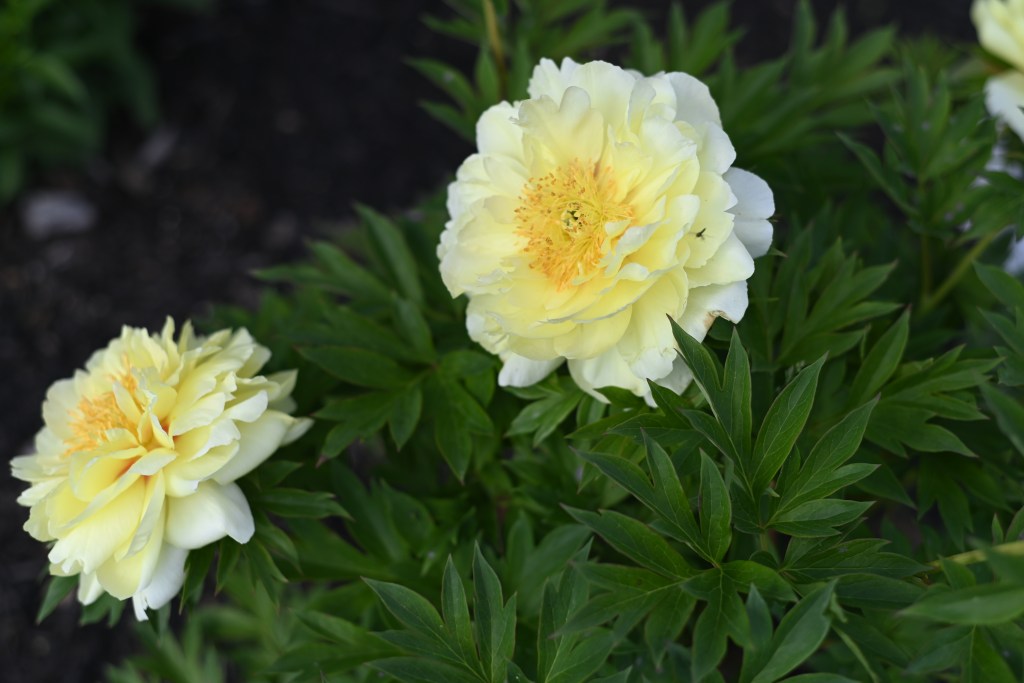
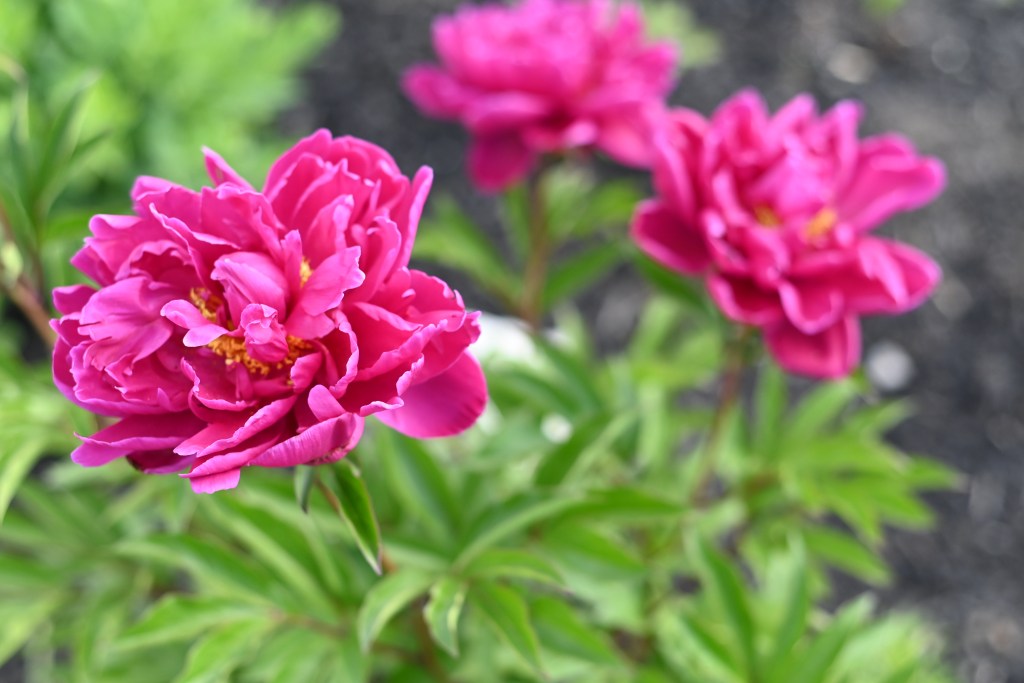
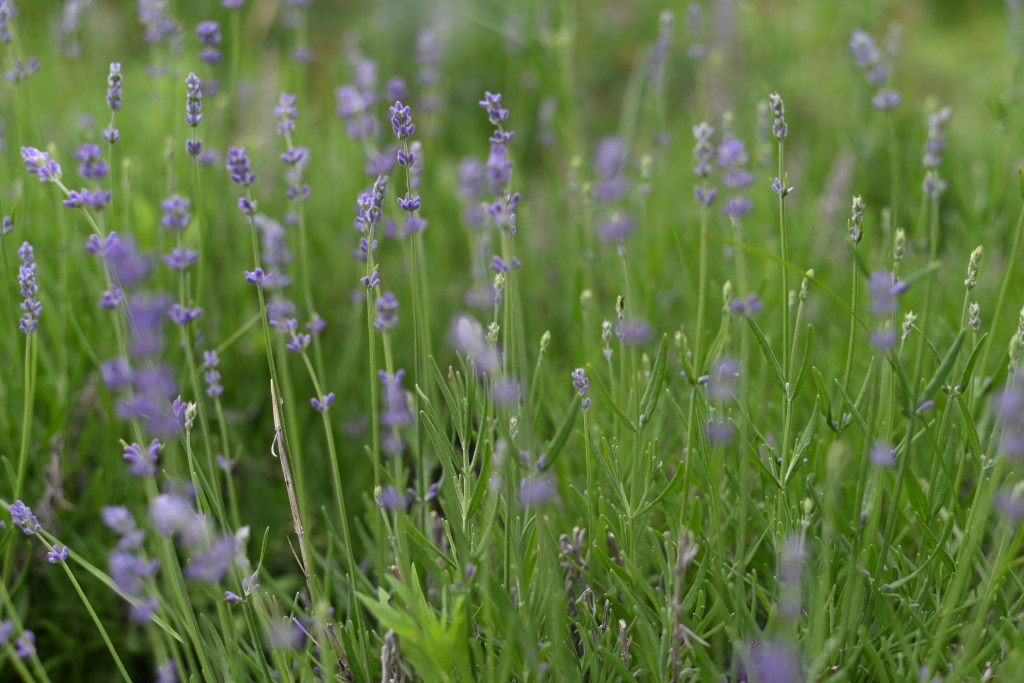
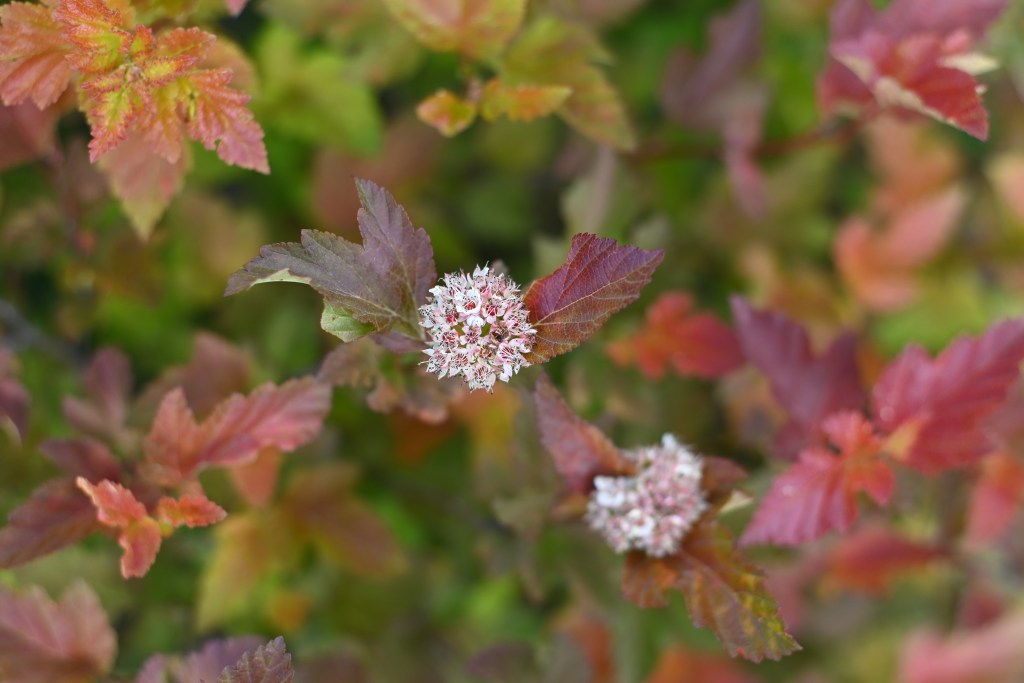
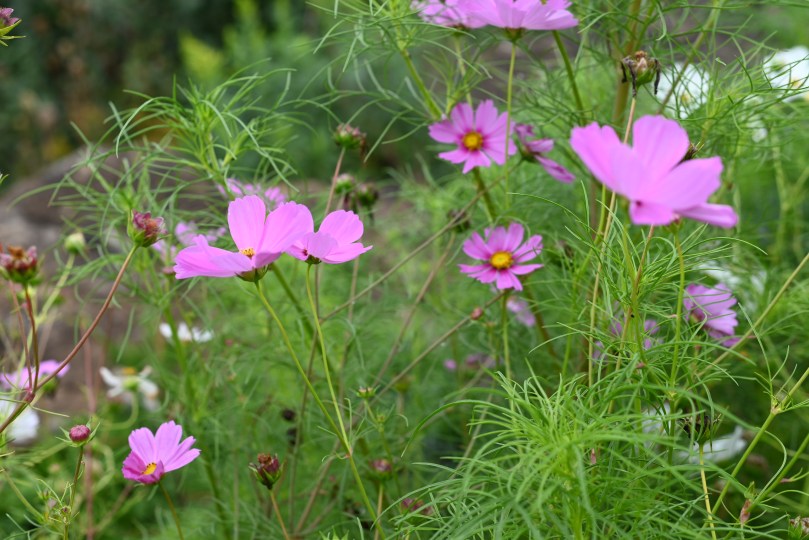
Flowers from our garden

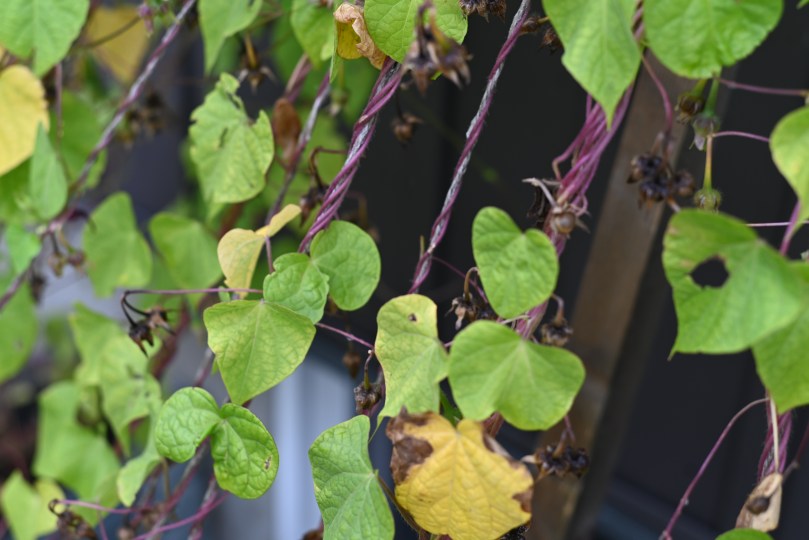
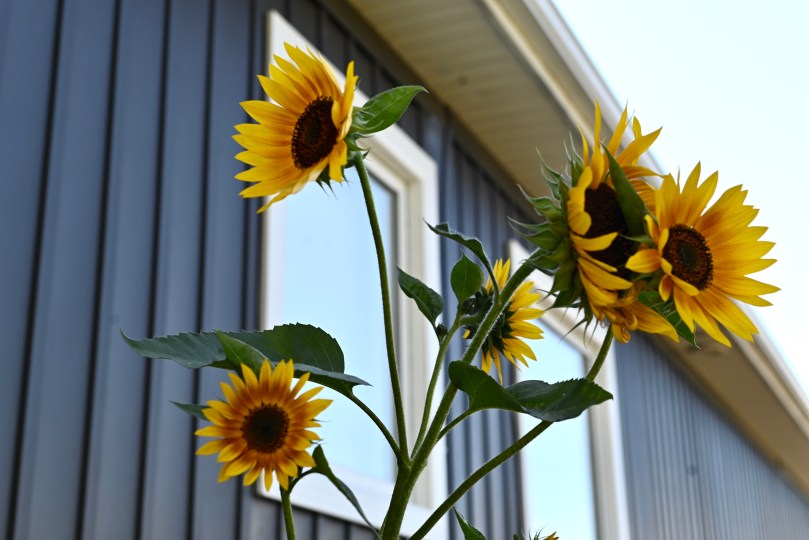
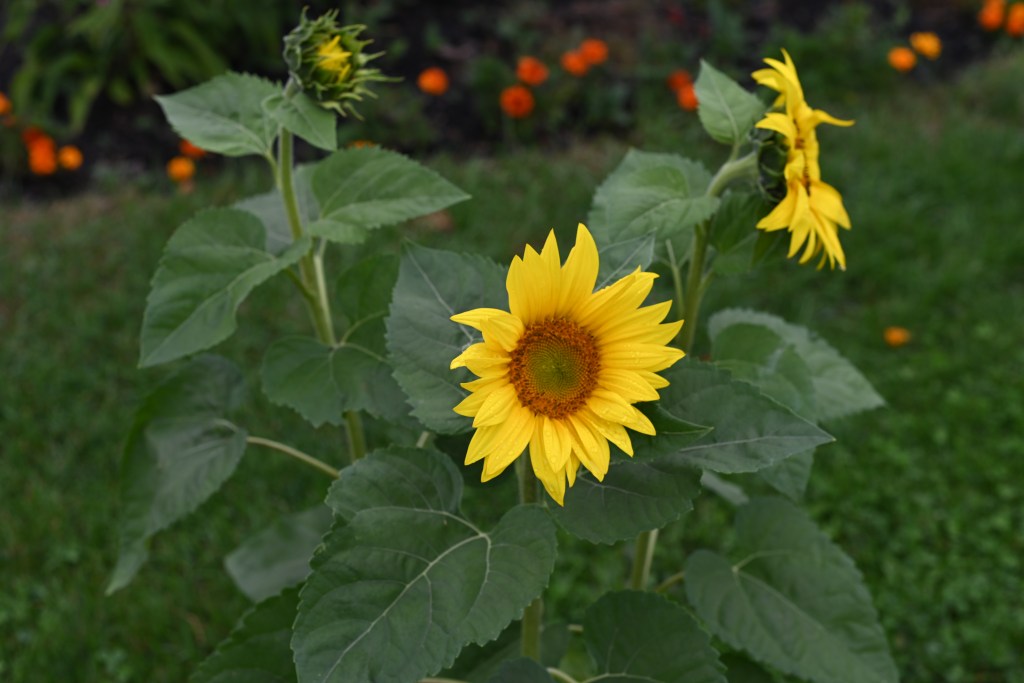
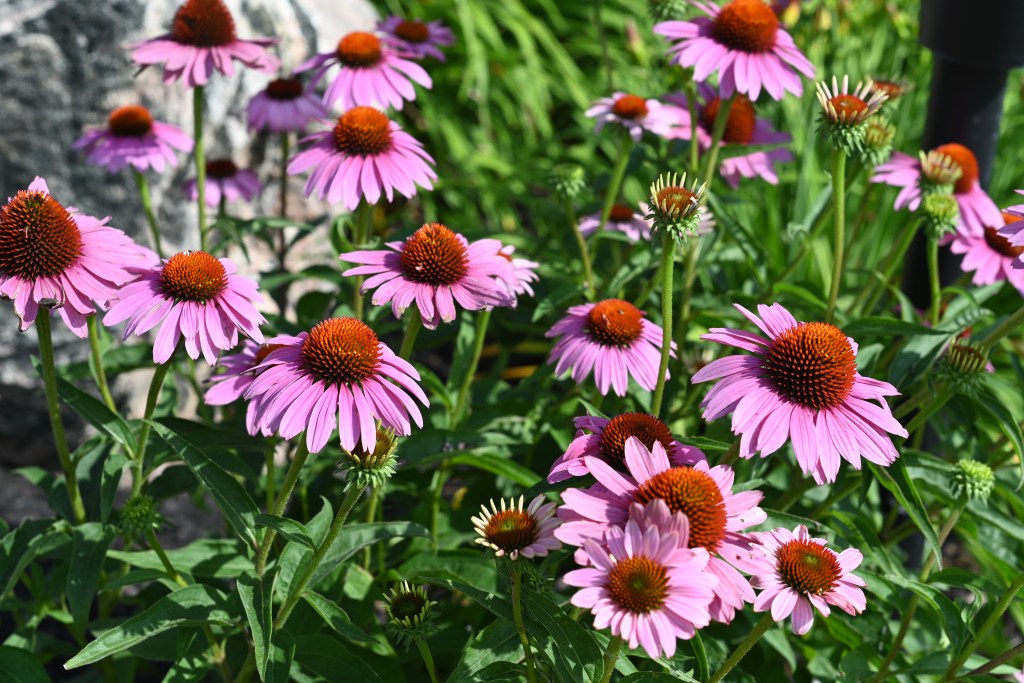
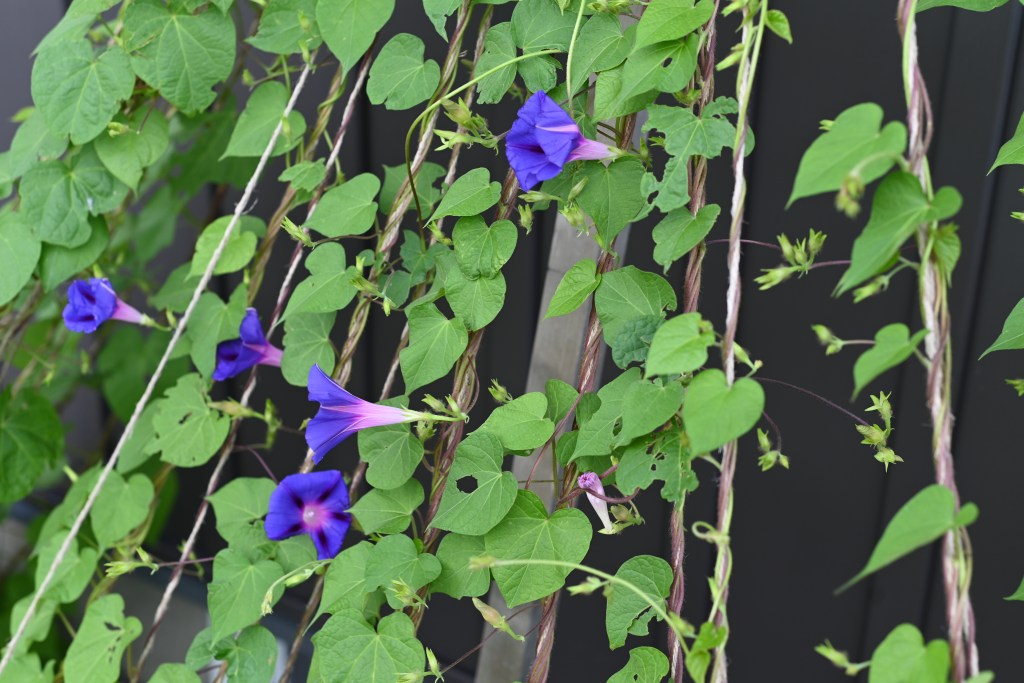
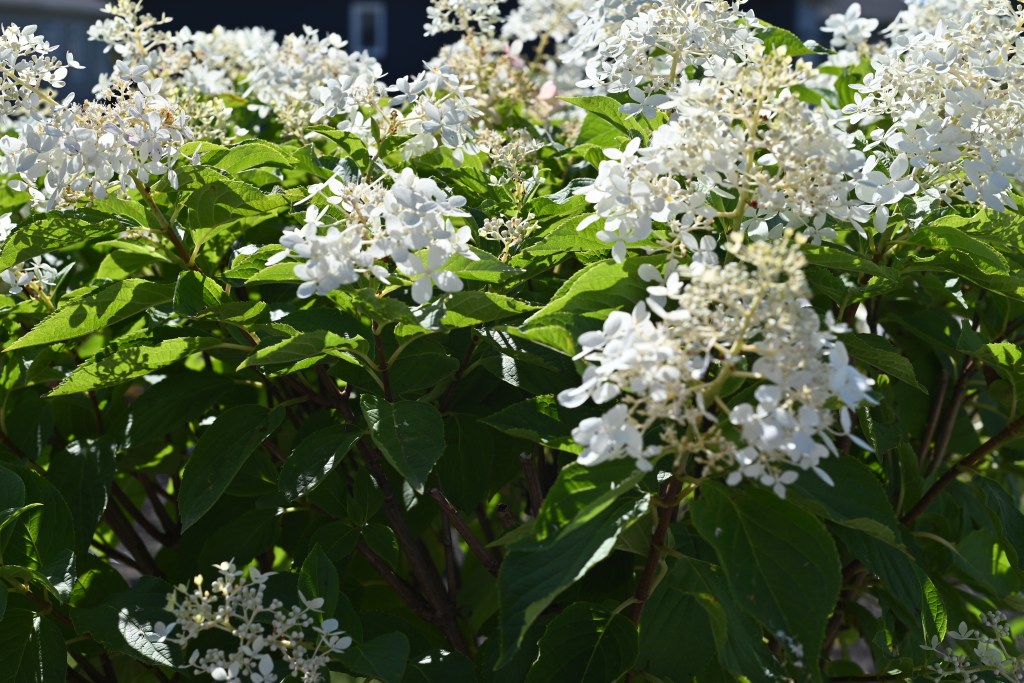
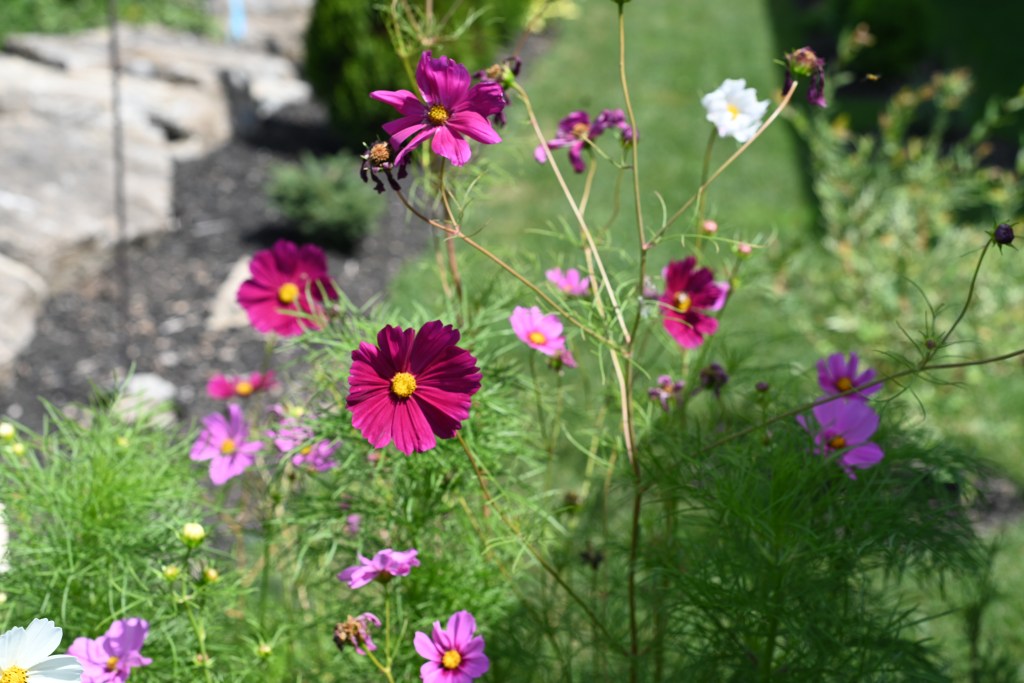
Lately we have enjoyed our garden coming into its prime of the year. The new garden we started this year has shown off some impressive blooms, and as always the birds have been amazing at planting sunflowers. Cosmos, morning glories, echinacea, and marigolds (as well as other flowers) are starting to go to seed. Every now and then I go outside and collect the seeds and put them on the window sill to dry. Our elderberry tree that we planted this year produced some berries. I still am not totally sure how to use berries like elderberries and black currants, and the plants are quite young so do not produce much berries yet. I imagine as the years go by we’ll be able to collect a lot more berries and create jams and jellies. I’m excited to learn tips and tricks about how to use the berries from the villagers as well!
It seems that produce is always feast of famine – in the spring and winter it’s difficult to find local foods. However, at this time of year our CSA is in full swing, and our friends gardens are exploding with vegetables. We have been lucky to receive free cucumbers, zucchinis, and tomatoes! I hope next year (or the year after) once our perennials are established we’ll be able to return the favour with our own vegetables. This year our tomatoes this year died from neglect – as a new parent low maintenance really is the way to go! We also have been enjoying all the sweet corn of this season. We went to multiple local farms to try out their corn, and found one that we really enjoy. We try to buy a dozen corn from them almost every week. My son enjoys eating corn on the cob now, too! He loves gnawing at it with his two teeth.

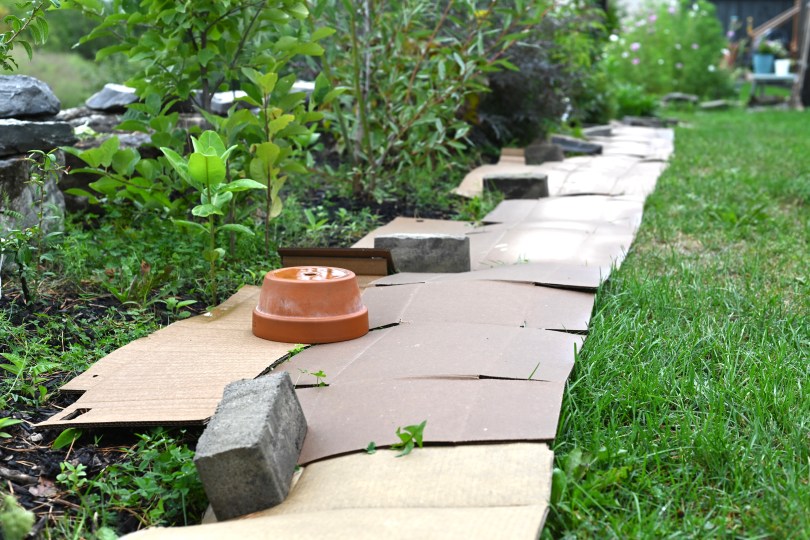
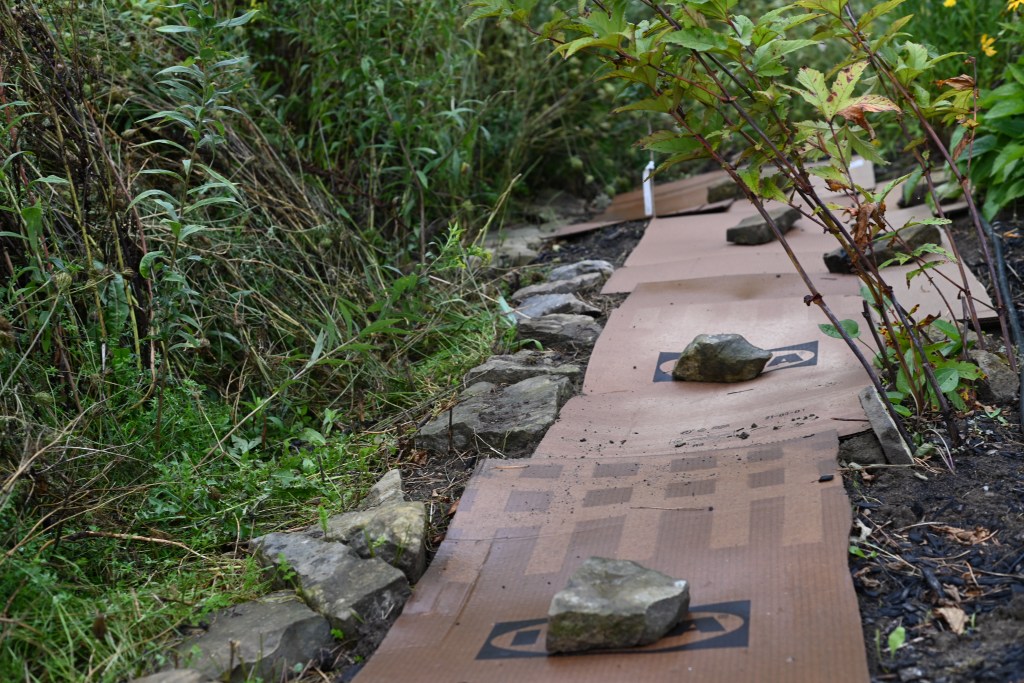
We’re trying to wrap up some things before we go on our trip overseas next month. Before we go, we’re trying to clean up the garden, I want to put in some spring bulbs, and we’re preparing beds for next year. We’re trying out a method called lasagna gardening, where you put wet cardboard on top of areas you plan to turn into a garden in the next year. We put down cardboard, cover it in rocks, followed by top soil and mulch. Over the winter the cardboard will gradually disintegrate, and the weeds / grass below it will turn into mulch. In the spring we should have some new beds that we can turn into new gardens! If it works well this year, we’ll continue working at it with our goal of pretty much eliminating our lawn. Any lawn we keep we’ll transform into clover or native grasses which will be friendly to pollinators.
I’ll try to write something again before my trip, but if I don’t, you can be assured that I’ll be busy running after my son or trying to find some spare time to rug hook!
Taking a breath & being easy on yourself

A few weeks ago our friend gave us a tour of a garden she’s been working on for eighteen years. Her garden is a bit of a rambling food forest with squash, mushrooms, and berries appearing at random. She explained to us enthusiastically about her plans for the garden for next year, as well as what she accomplished this year. It was interesting to see what she has done over the years, and also to see the transformation of her garden from the time she bought her house until now when she showed us pictures.

For the past month or so, I haven’t really done anything new with the garden. With ongoing construction around us and intense summer heat, I haven’t felt motivated to do much. I enjoy sitting on our porch and watching our garden for what it is now. Many of the plants we planted this year are growing rapidly, and those we planted last year have doubled or tripled in size.

Alongside the rapid growth of plants, my son has made some major strives in development in the past couple of months. He went from being completely immobile, to rolling, sitting, crawling, and now starting to stand! Accordingly, I’m spending a lot more time watching him, and he’s spending a lot less time napping. The days seem to go by in seconds, and I often only have a few minutes to myself. This means that garden maintenance has moved to the back burner. On the rare occasion that I get the chance to garden (when there’s little construction and my son is napping) I get overwhelmed by the amount of weeds. Because of this, I decided to be kind to myself and hire someone to clean up the garden this year. We will be going away soon for a couple of months, and rather than have the garden become even more weedy next year, I’d rather have someone take care of it now. I’m excited for the garden to become more established and less high maintenance in a few years.
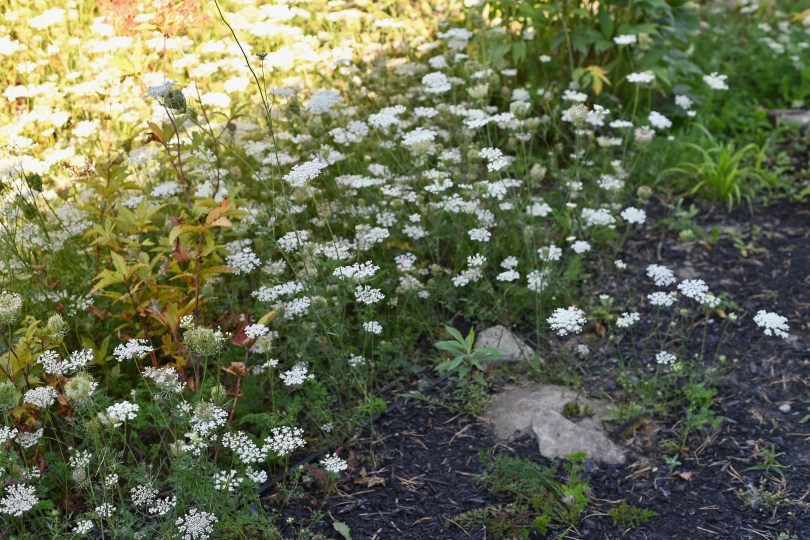
Queen Anne’s Lace has completely overtaken the side garden. It’s very pretty but I would like to grow other things as well!
One thing that I’m starting to get better at since becoming a parent is learning to delegate and accept the things that I’m unable to do. I’ve always been an overachiever and have always felt that I should be able to do anything I put my mind to. However now I realize that – while I can do a lot of things that I want to – I only have so many hours in a day. I’m lucky in that I have the ability to ‘treat’ myself by hiring someone to help with weeding, and I think that’s one of the kindest things I can do for myself this year.

After the weeding is done, we’re planning on putting down some cardboard in order to start new gardens for next year. You really can only do so much in a year after all! For now the most important thing is spending slow paced days with my son while I’m still on leave.

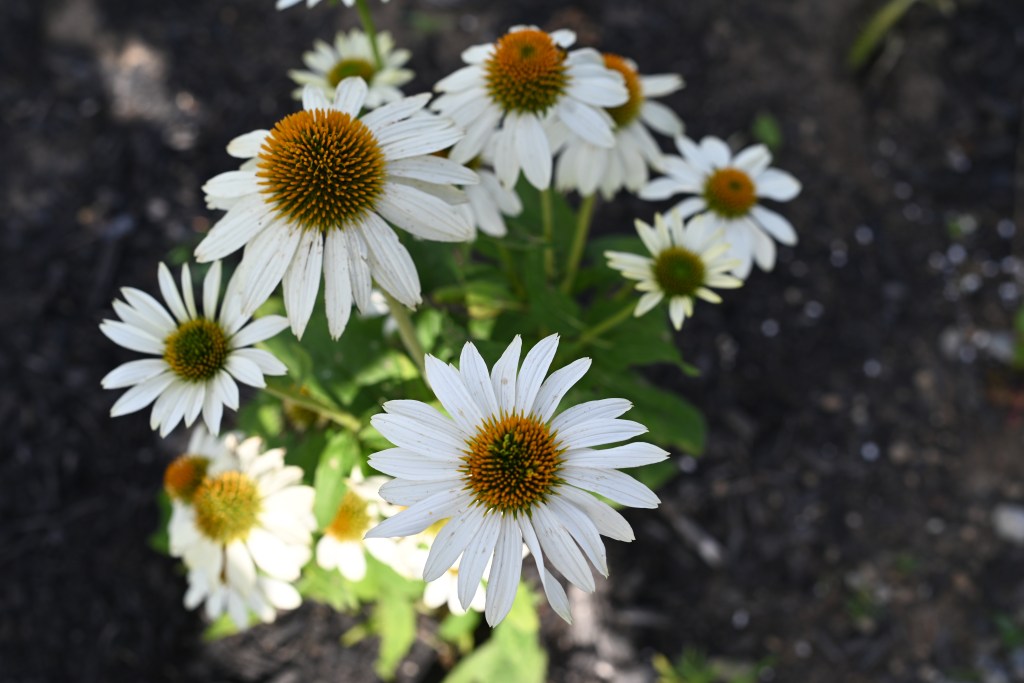
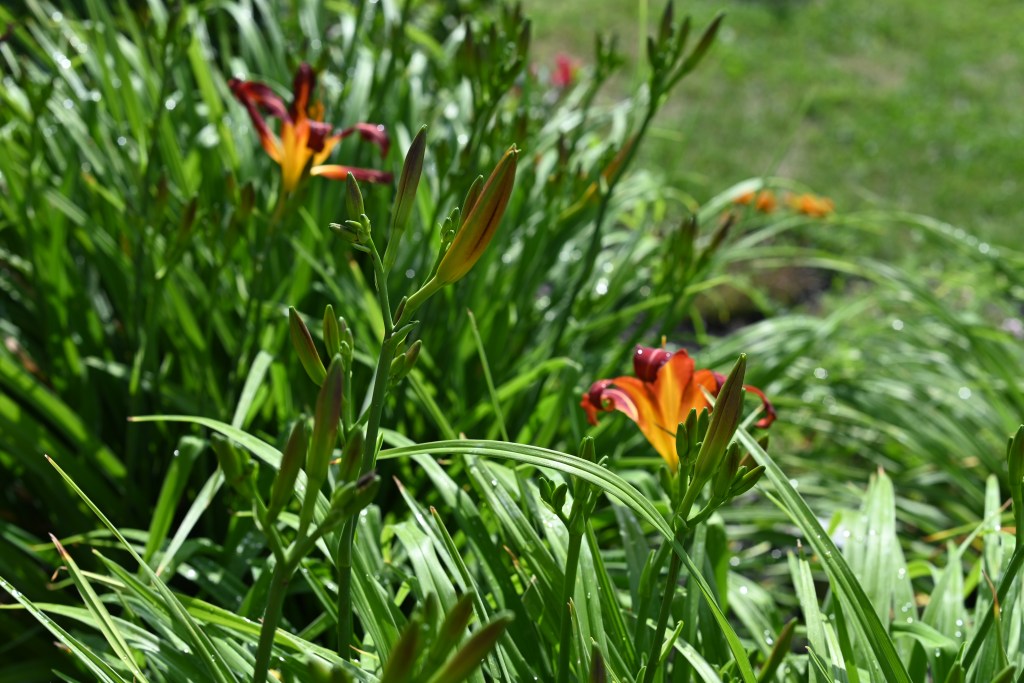
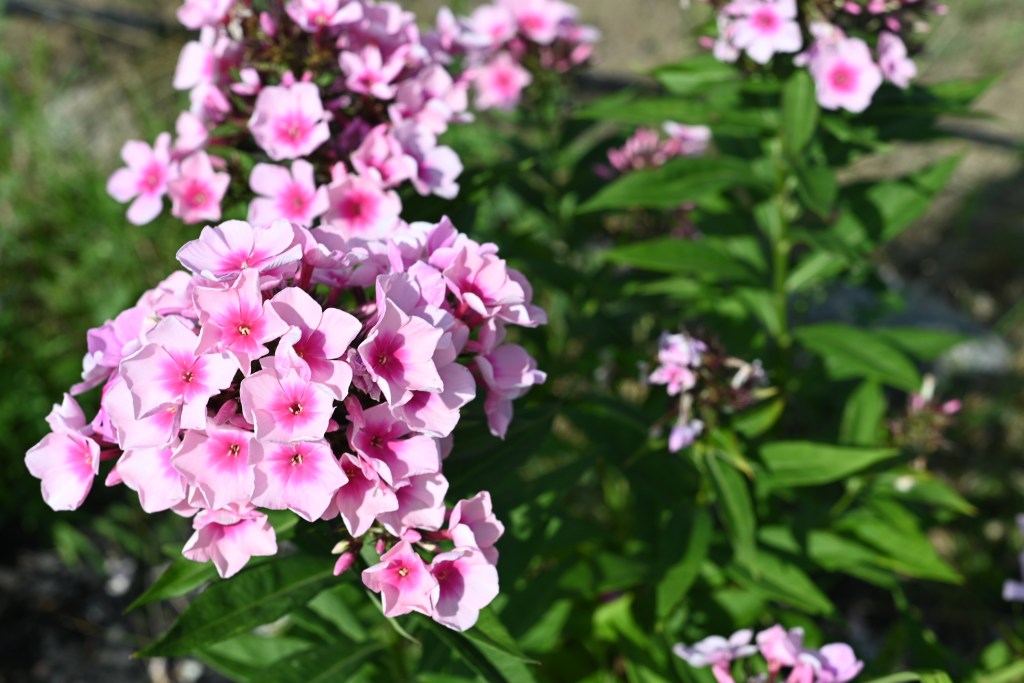
In July, cone flowers, lilies and phlox started to bloom:

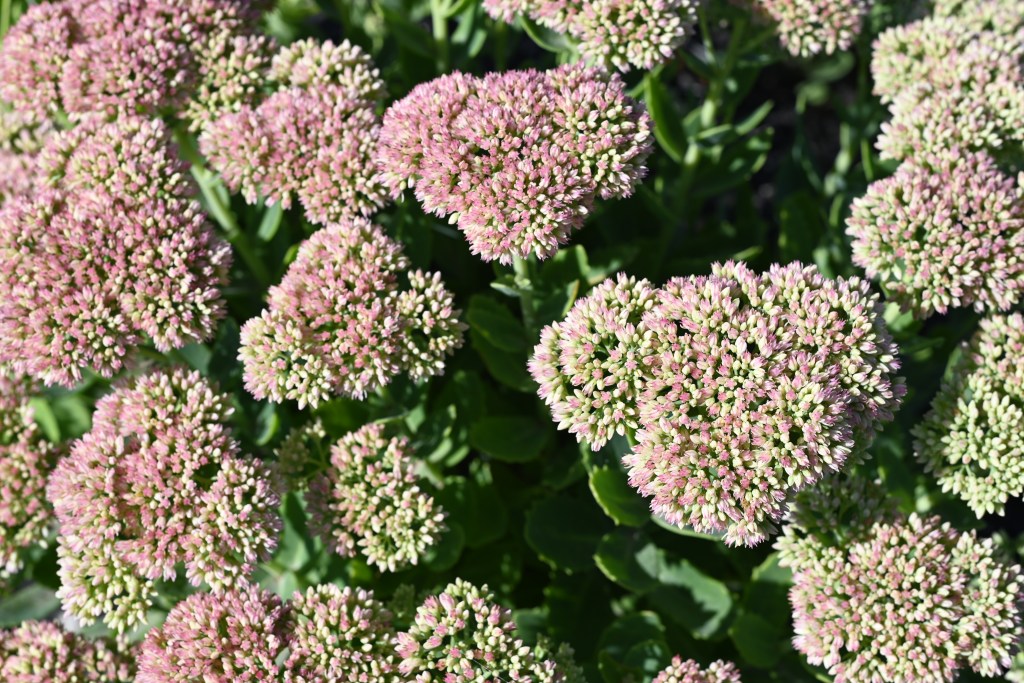
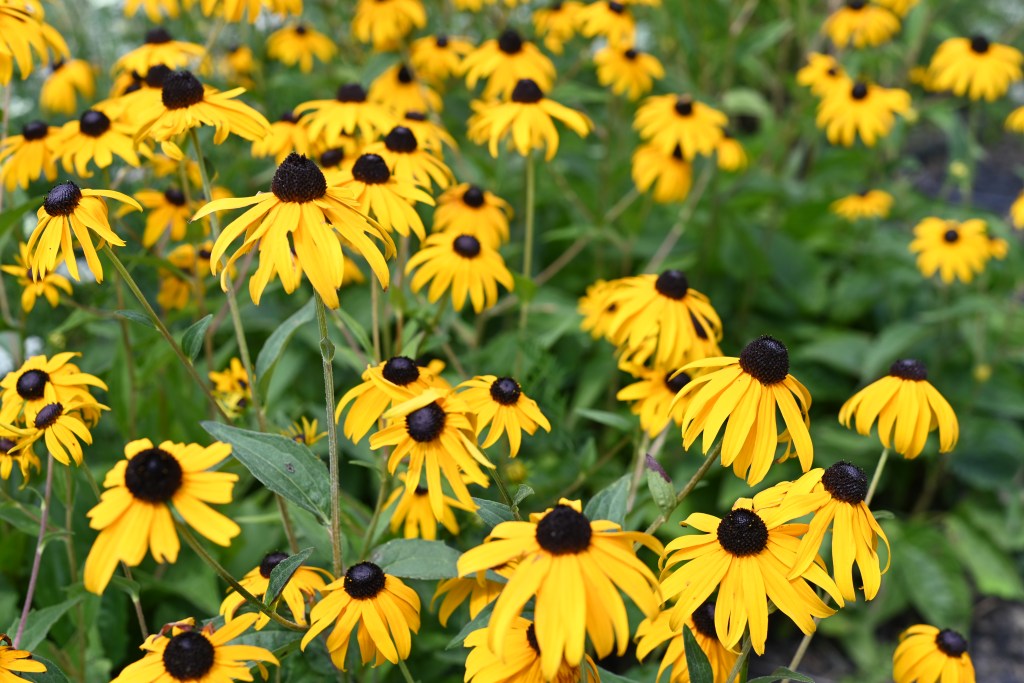
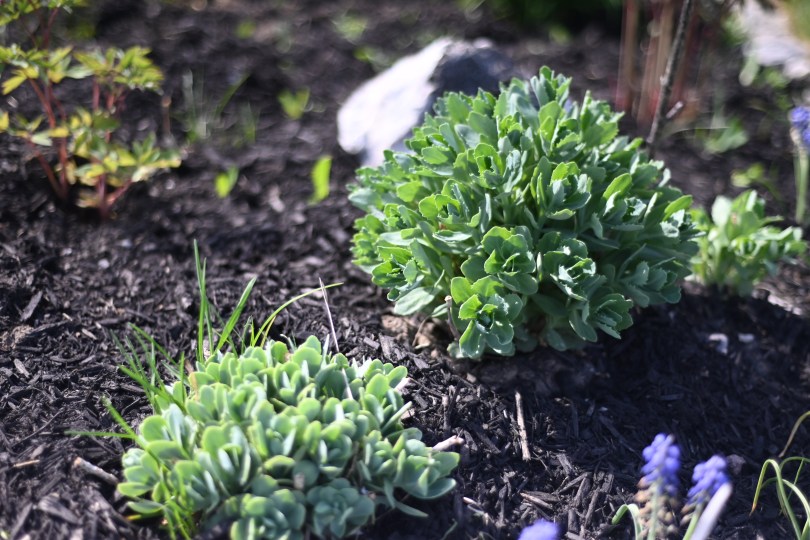
Now that it’s getting later in the season, we’re starting to have lots of brown eyed susans, and our sedum is starting to change colour. Our morning glories and cosmos are also still in full swing.

I’ll hopefully make another post towards September. Until then, enjoy the remaining days of the summer!

Berry season in Ontario

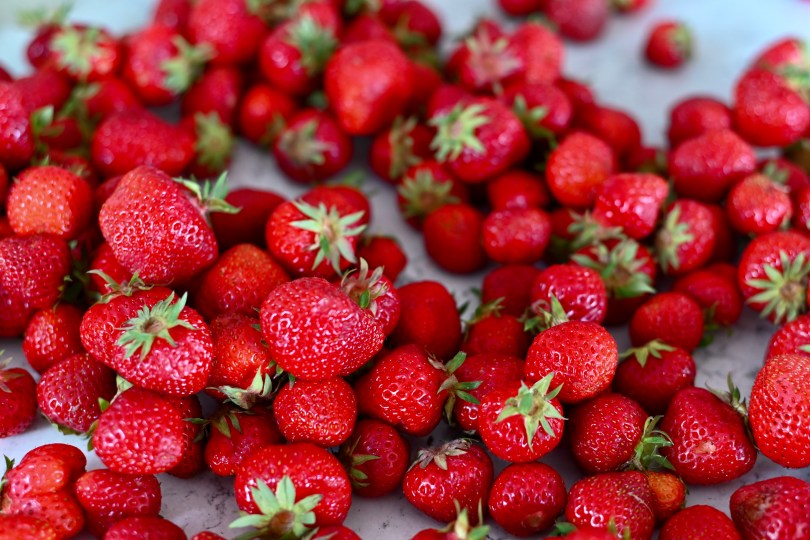
During the last few weeks we have entered berry season in our region of Ontario. Our strawberries were ripe in mid to late June, which was quite nice since it was our first time. My husband and I started a tradition of picking strawberries on Canada Day (July 1) so we were excited to extend that to our son this year. We found a local farm down the road as per recommendation by one of the other villagers and it was absolutely lovely! Since my son wakes up around 5:30 to 6 AM we were able to go berry picking around 8 AM, when it was still cool outside and there was no other people. There has been a lot of rain this year, in comparison to last year, and the strawberries are incredibly plentiful! We were able to get 6 litres of strawberries within a half hour and didn’t even have to move more than a few feet! Last year, I remember Canada Day was very hot and dry. The farm where we picked strawberries was quite wild so we struggled through thorns and brambles to find a few small berries. This year was much better.

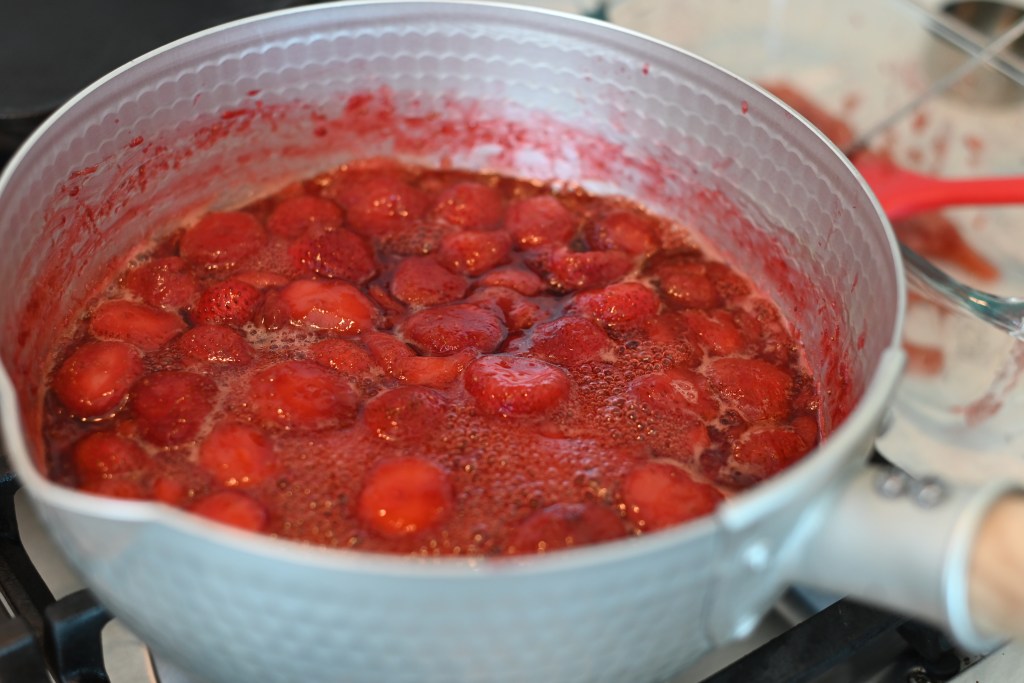
As part of our strawberry picking tradition, my husband likes to make lots of jam that we can use for summery drinks, pancakes, yogourt and toast. Last year, we ran out of white sugar one day and visited our local health food store to buy some. They didn’t sell any white sugar, but the owner recommended us trying maple syrup as a local alternative. Albeit a bit more expensive, it’s (in our minds) healthier and local. So my husband decided to try using maple syrup instead of sugar when making jam. Last year he made his first attempt of using maple syrup instead of sugar when making jam, however, it didn’t mix well and separated similar to oil and water. This year he decided to try again. When he searched online he was unable to find maple syrup strawberry jam recipes that didn’t use sugar, so he had to experiment with a few different methods.

  1. Equal parts crushed strawberries, whole strawberries and maple syrup with no soaking before boiling into jam.
  2. Two thirds whole strawberry, one third maple syrup with 8 hours of soaking prior to boiling into jam.
  3. Equal parts crushed strawberries, whole strawberries and maple syrup with 8 hours of soaking before boiling into jam.

The third method was the most successful!

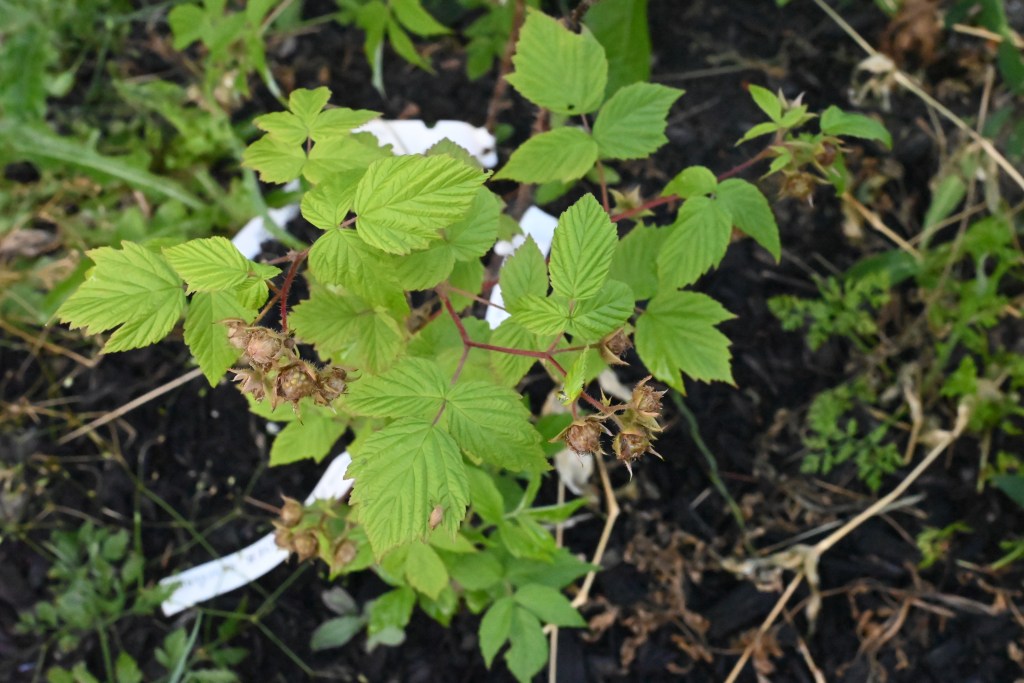
Apart from strawberries, in the past couple of weeks we have also had the opportunity to try wild black raspberries, farmed raspberries, black currants and haskaps! Our village oddly has an abundance of wild black raspberries, which is something I learned recently. The raspberries start out little and red and become black as they ripen. I was excited to discover some wild raspberries on the side of our property as well underneath some honeysuckle trees. I’m waiting to confirm about whether they are edible or not before I try them out. My friend, who has a large property that includes a field and forest, picked some beautiful black raspberries for me yesterday. They’re very sweet and delicious!

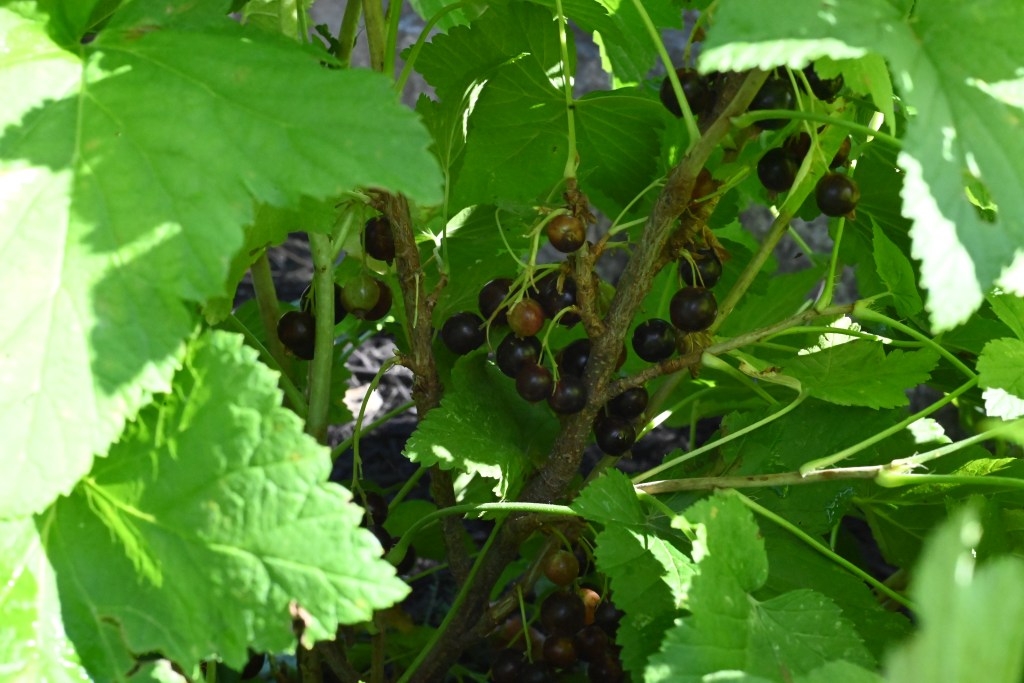
We bought black currant bushes last year that we planted in the back of our house, which we intend to become a hedgerow / food forest. We chose them because they are native and should reach a good height that would allow for us to have a bit more privacy. I had never had black currants before growing them, they’re tart but apparently quite good in baked goods. I’m collecting more everyday as they ripen, and once I collect enough I plan to make something with them. Not sure what yet, though.

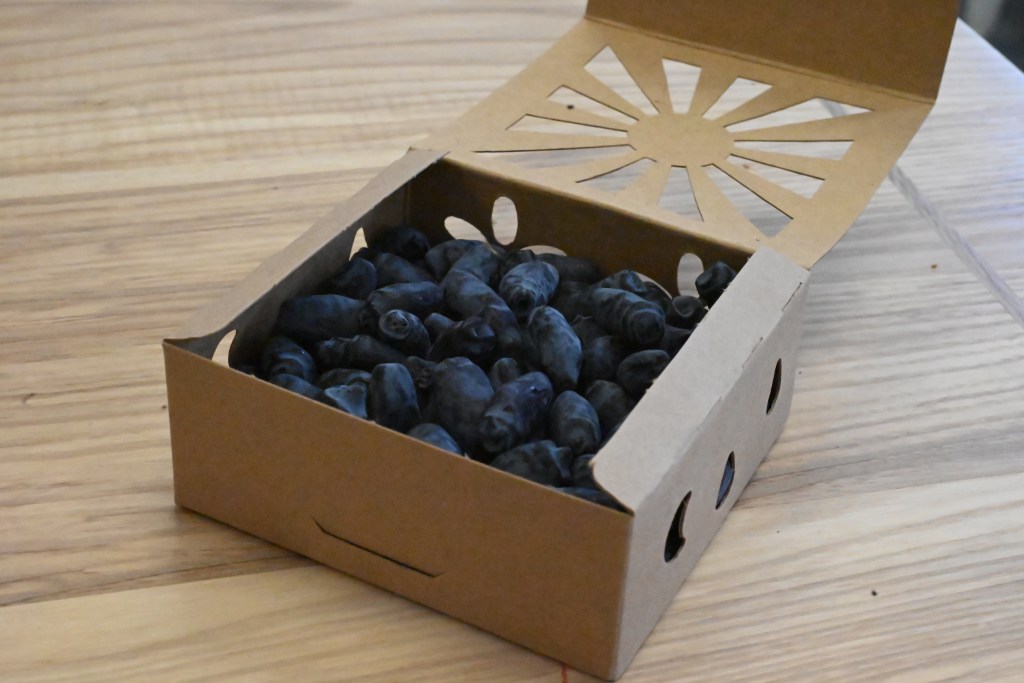
Finally, we tried out haskap berries for the first time. Haskap berries are apparently native to Canada (in addition to Japan and Russia), but were not commonly known or popularized until quite recently. I learned about a haskap berry farm in Perth last year but unfortunately the season was already over when I discovered it. This year we were lucky to be able to try haskaps. They look like little footballs or elongated blueberries and have a tart, citrus-like taste. They’re quite popular to the point of even being able to buy bushes at gardening centres now!

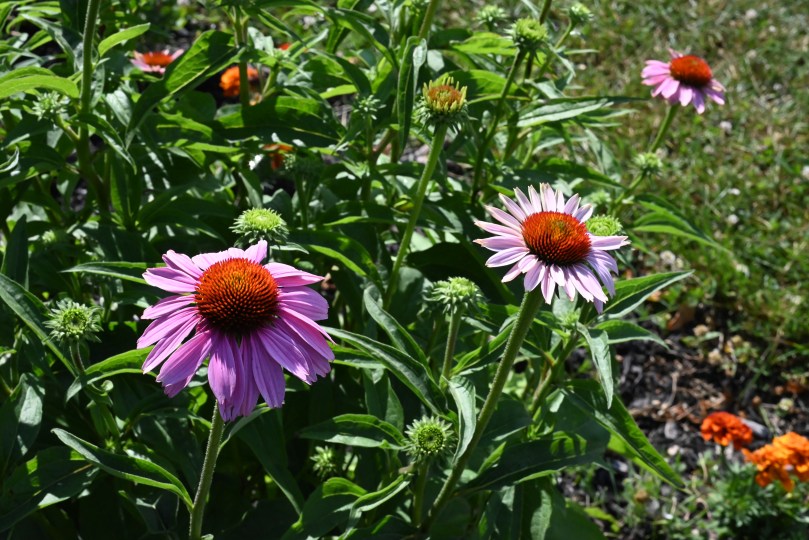
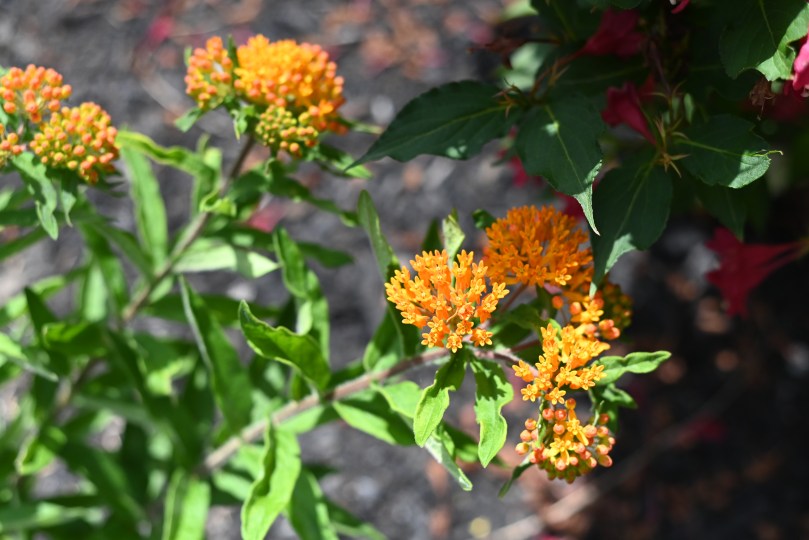
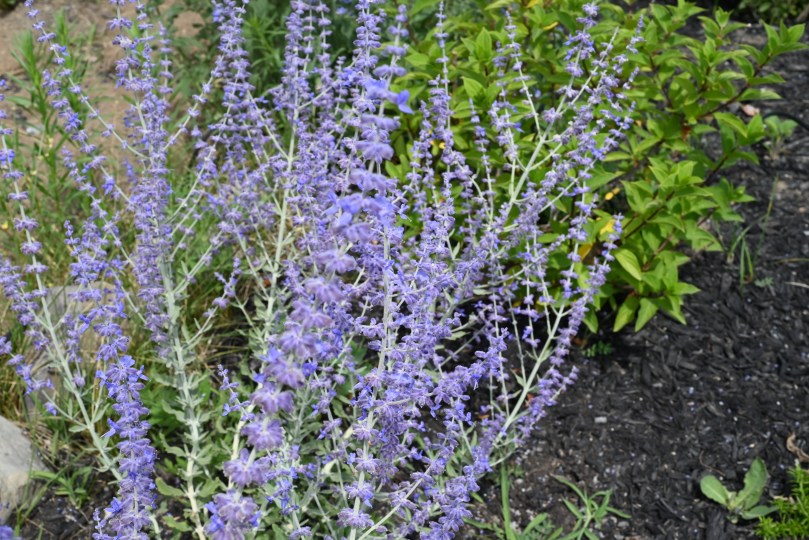
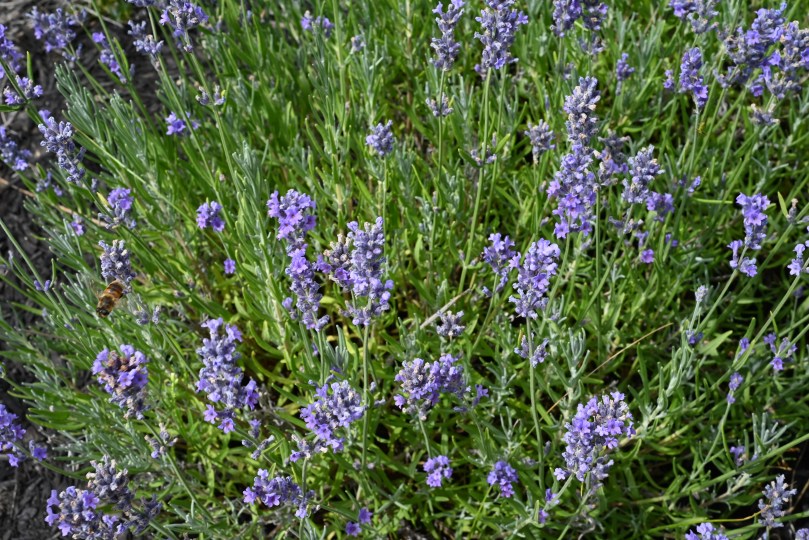
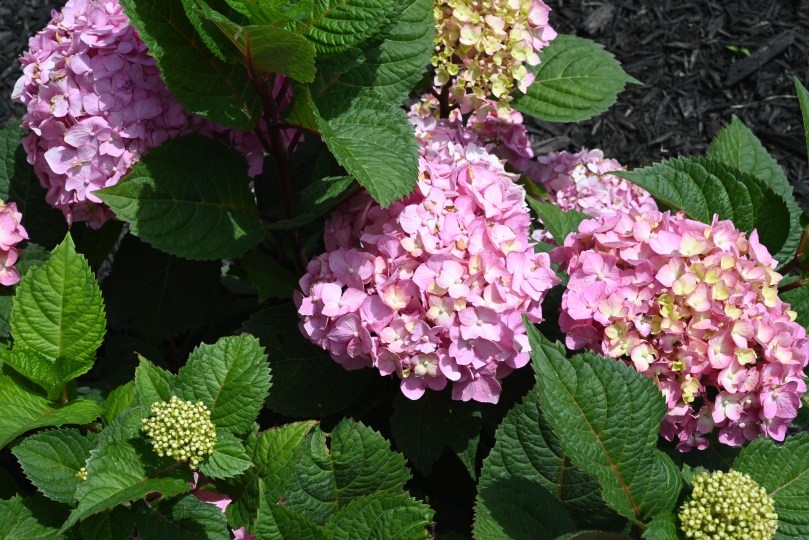
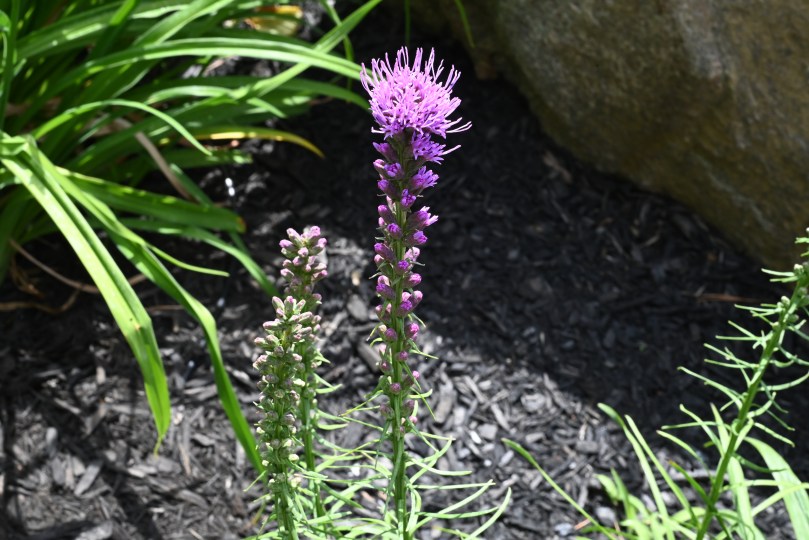
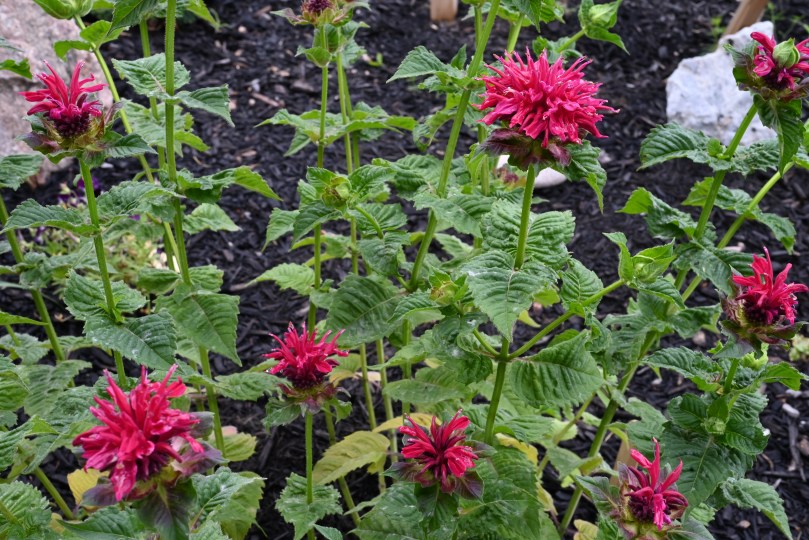
Our plants are starting to come into full bloom and are quite pretty. The grass, on the other hand, is really dry wherever we go in Ontario (apart from places where they are watering it daily). Seeing how crunchy and dead grass is everywhere only motivates me more to gradually remove our own grass and increase our garden with resilient, native, drought-tolerant plants. After going away for a couple days it’s amazing to see that our lavender, sage, bee balm and cone flowers are thriving while our grass has become more or less a desert. It makes sense given that the common grass we use on lawns comes from rainy areas in Europe like England and isn’t adapted to the hot climate of Ontario in the summer.

  1. Coneflower
  2. Butterfly weed
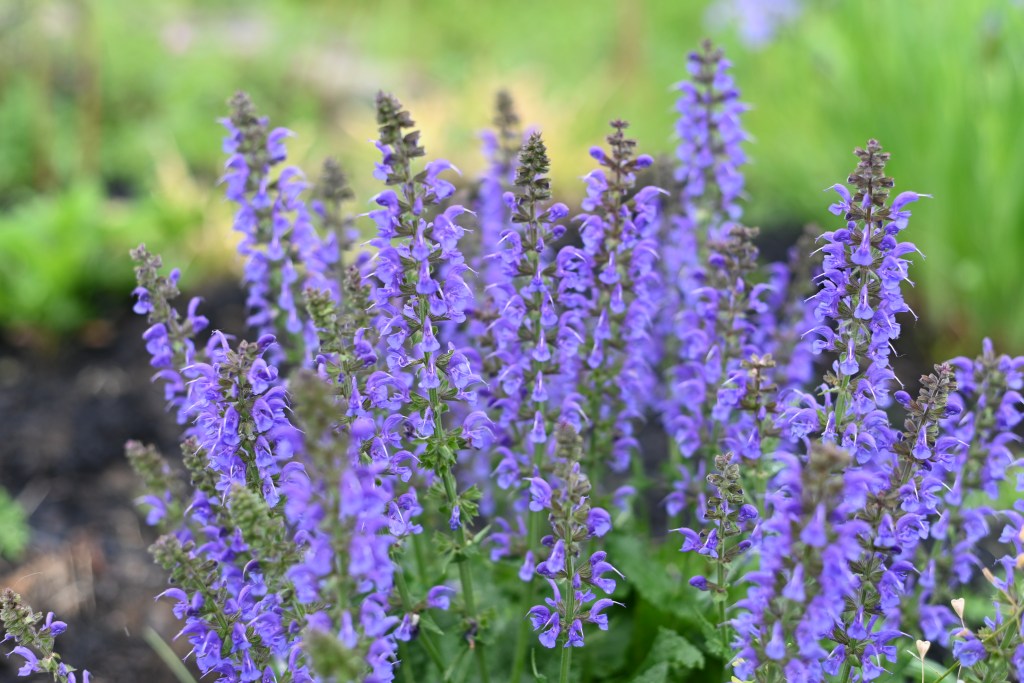
  3. Sage
  4. Lavender
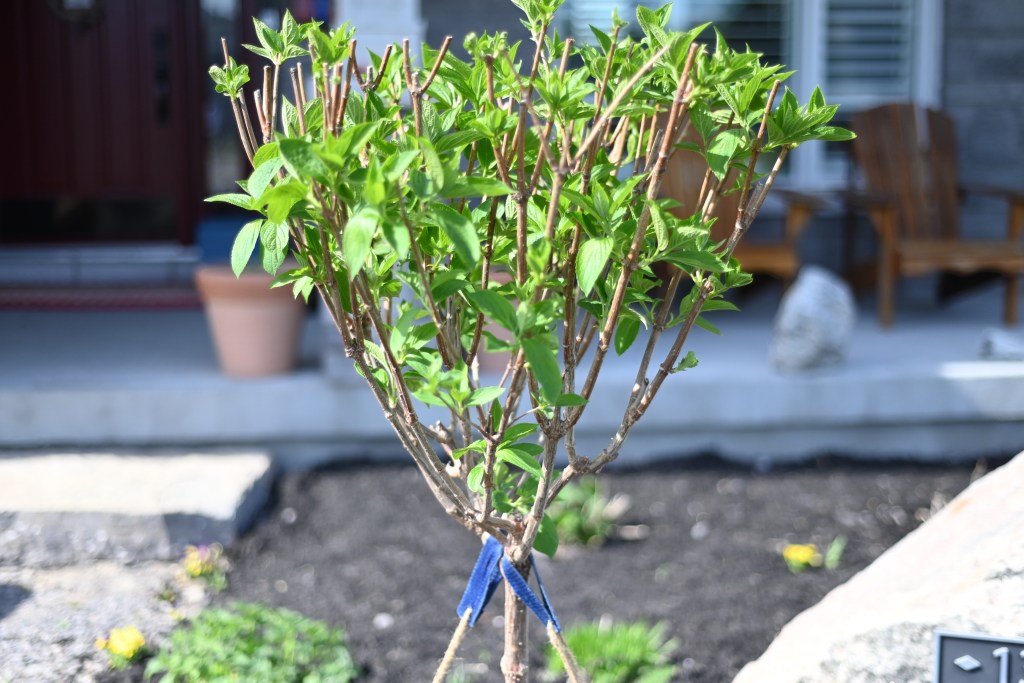
  5. Hydrangea
  6. Blazing star
  7. Bee balm / Monarda
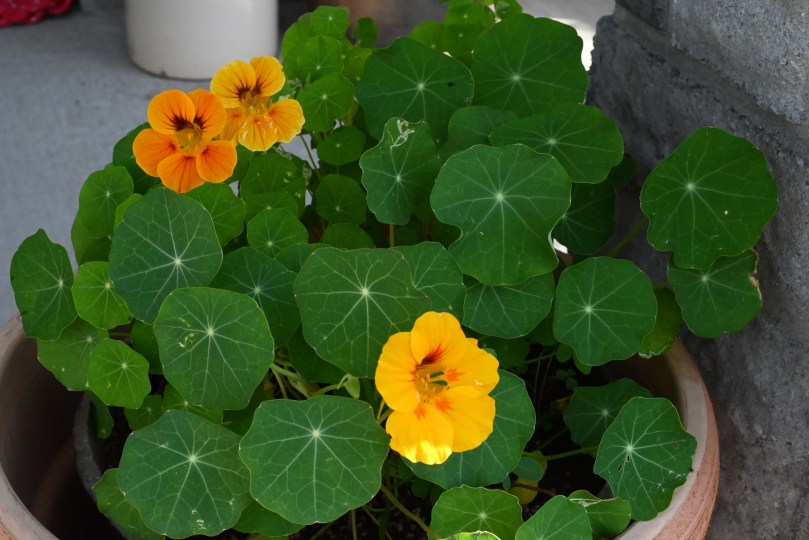
  8. Nasturtium
  9. Lupines
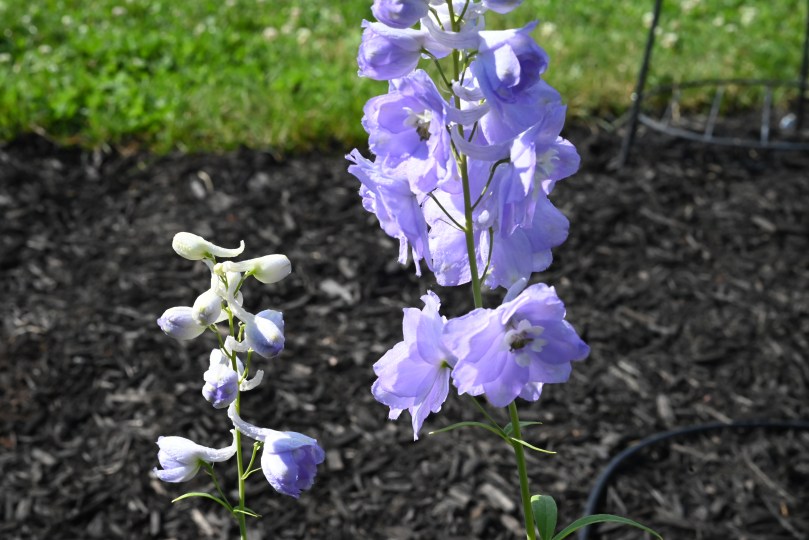
  10. Delphinium
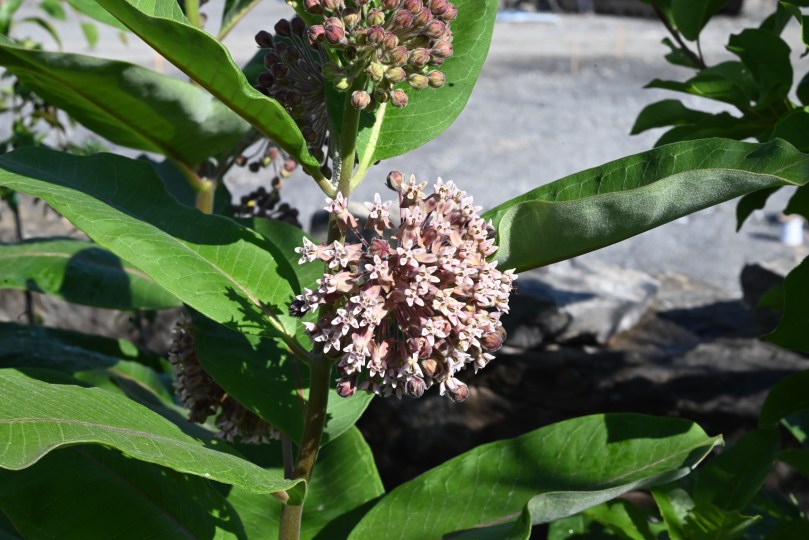
  11. Milkweed

Those are some things blooming now! I’ll post again in a little while.

Thinking in years rather than seasons

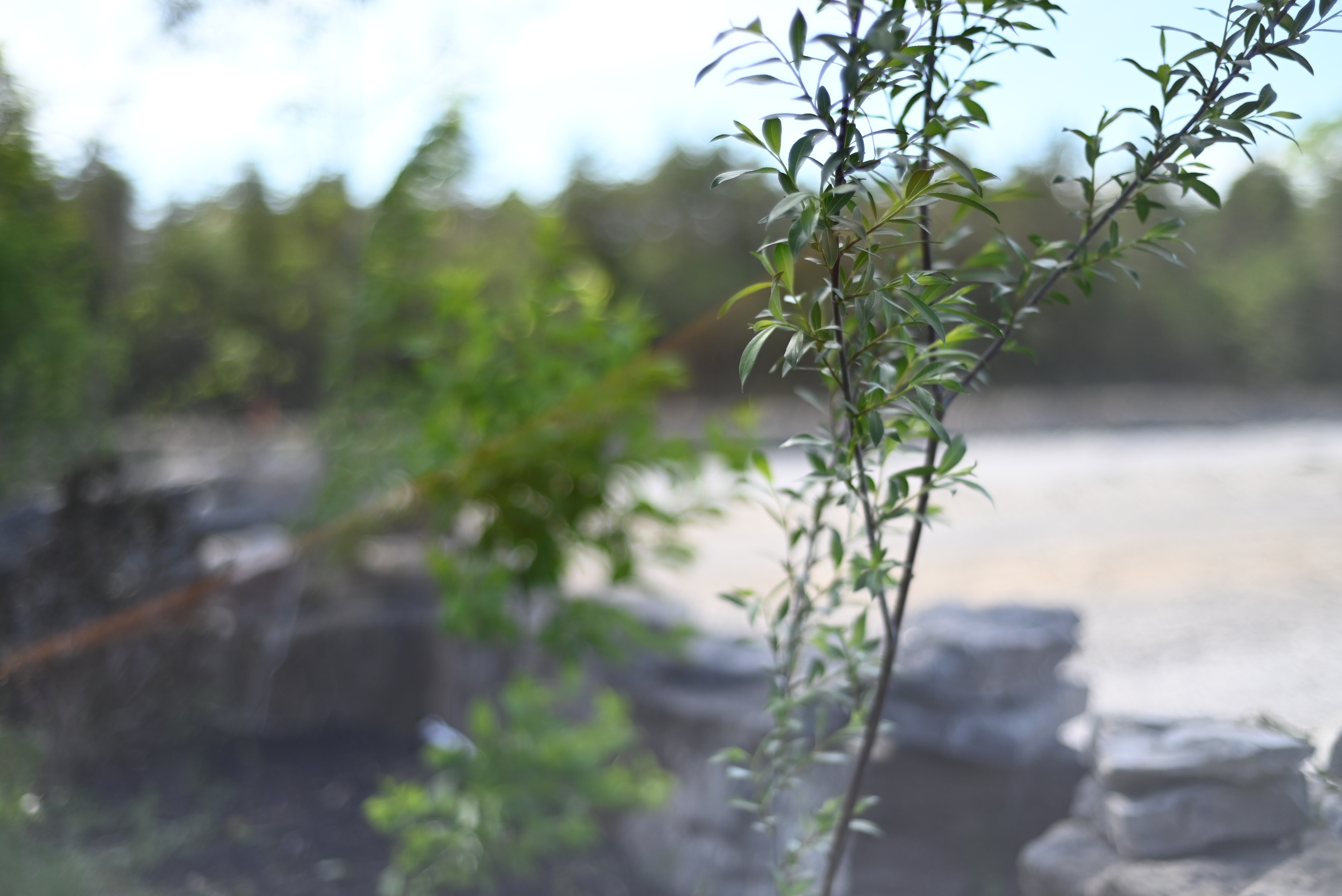
Things are slowing down a bit in terms of gardening, and we started making plans for what we would like to do next year. Gardening is the definition of slow-living, you can plant things but you have to wait for them to grow. Last year we planted some small trees and shrubs from Hardy Fruit Tree Nursery that were around 1-3 feet including a basket willow. I was unsure about how successful they would be as they looked like sticks when we planted them. However, a year later that same basket willow has surpassed me in height, and is inching towards six feet. We also planted wild strawberries last year that didn’t look like they were doing very well, but they amazingly not only survived the winter, but graced us with berries for the first couple of weeks in June (in my excitement I forgot to take a proper photo!)

Last week, a couple in the village welcomed us into their house on a day of particularly loud construction. They have a lovely garden that spreads over a couple of acres. The wife asked me if I would like some plants from her garden as they had begun to overcrowd one another. It was difficult to tell where one plant ended and another begun. From that I learned the importance of considering spacing when planting flowers and other perennials. While areas of our garden appear quite sparse right now, in a few years I imagine the plants will continue to fill out and spread. Even in the past year, I’m amazed to see that bee balm and daisies that I planted have spread by at least half a foot! In that sense, while it is desirable to try to finish our garden as fast as we can, even within a year like Monty Don’s ‘Big Dreams Small Spaces’, I’m learning that it’s a process that will develop over the years. We have decided to think more long term when it comes to our garden, thinking about what we want over the next few years, rather than only thinking about ‘now’.

There are areas of our garden this year that we have decided to leave for now, mainly focusing on annuals like cosmos. With a baby, our time is really quite limited and while the space we have is modest compared to a lot of other folks in the country, it’s a bit overwhelming for us. There are other areas that are currently covered with wild carrot and nettles that we plan to cover with cardboard in the autumn. In many of those areas we planted things that were given to us, that appear dead or dying now – but will likely begin to thrive next year. We hope to work on that garden more in the future. It’s nice to have something to look forward to! It’s also good to avoid putting too much pressure on ourselves by thinking in years rather than days or months. I’m amazed by the progress we have made in our year and a half here, and am excited to see how the garden will change in the coming years.

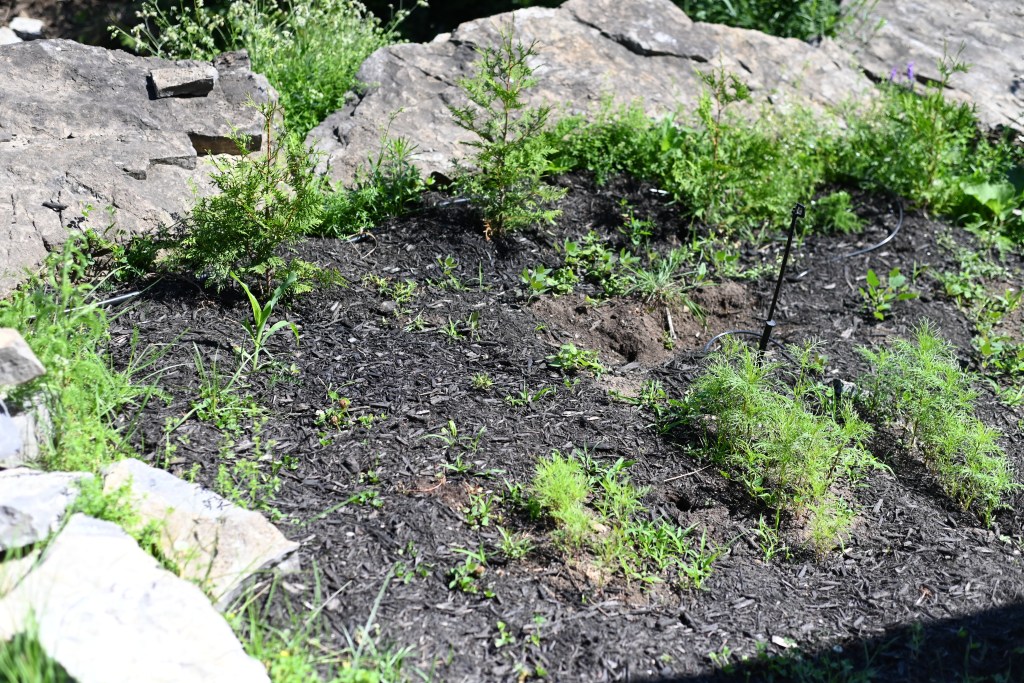
We planted cedar trees that will eventually become a cedar hedge. Because the area will be semi-shade in the future, rather than planting anything permanent we planted some cosmos.

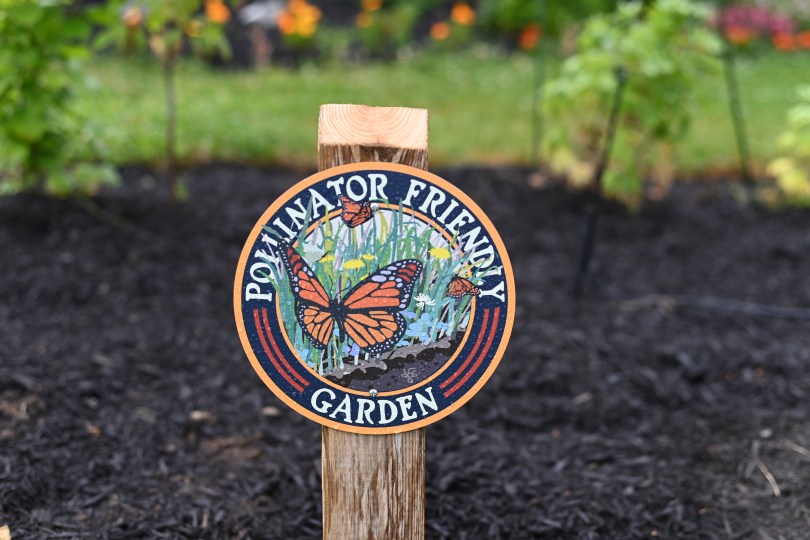
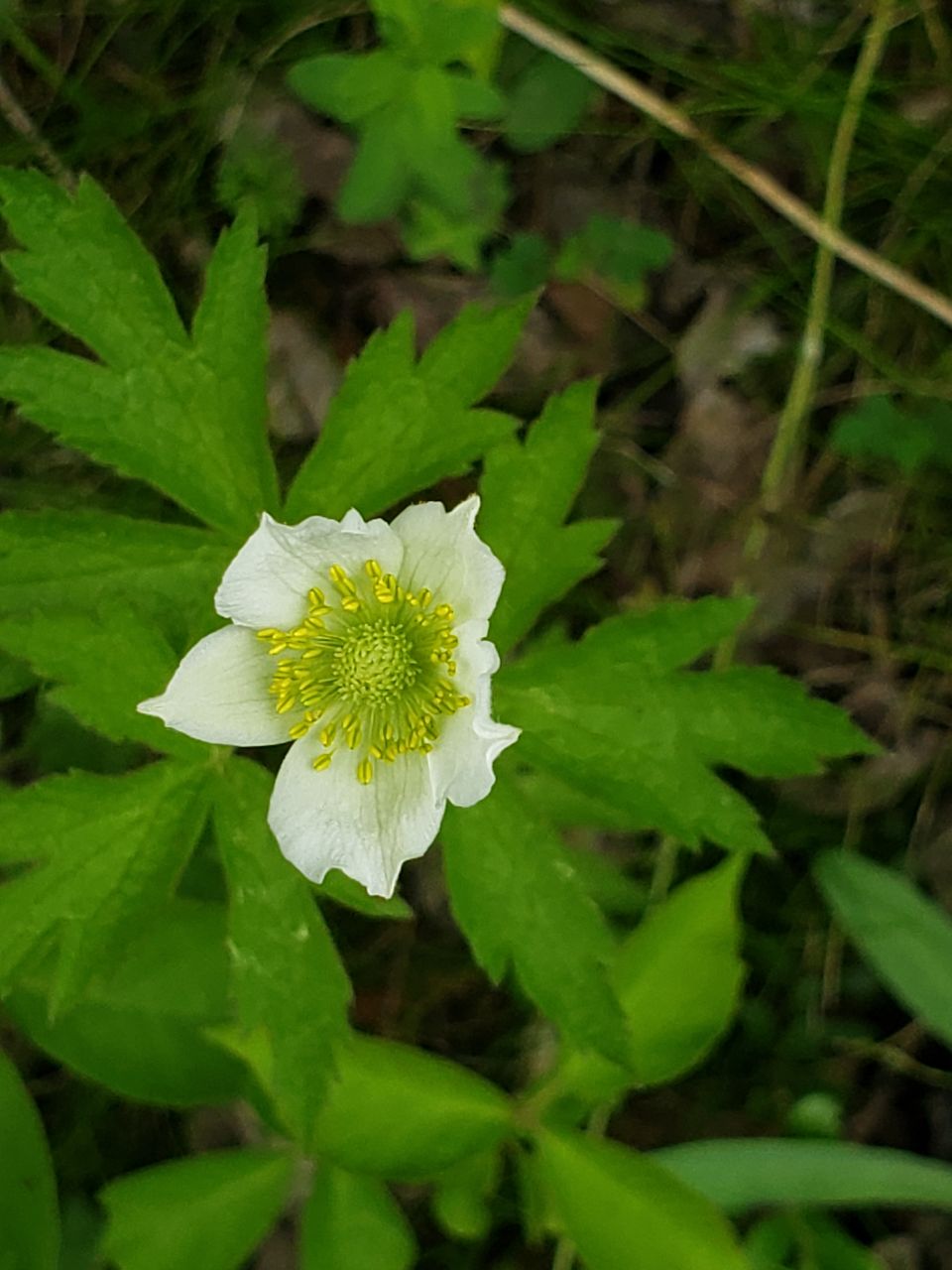
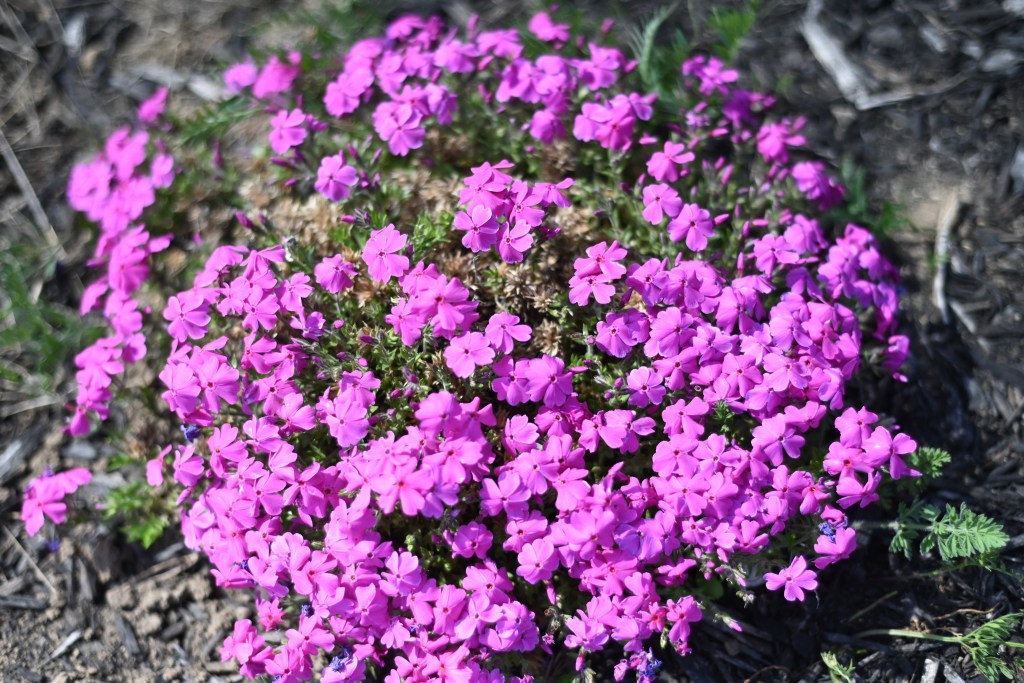
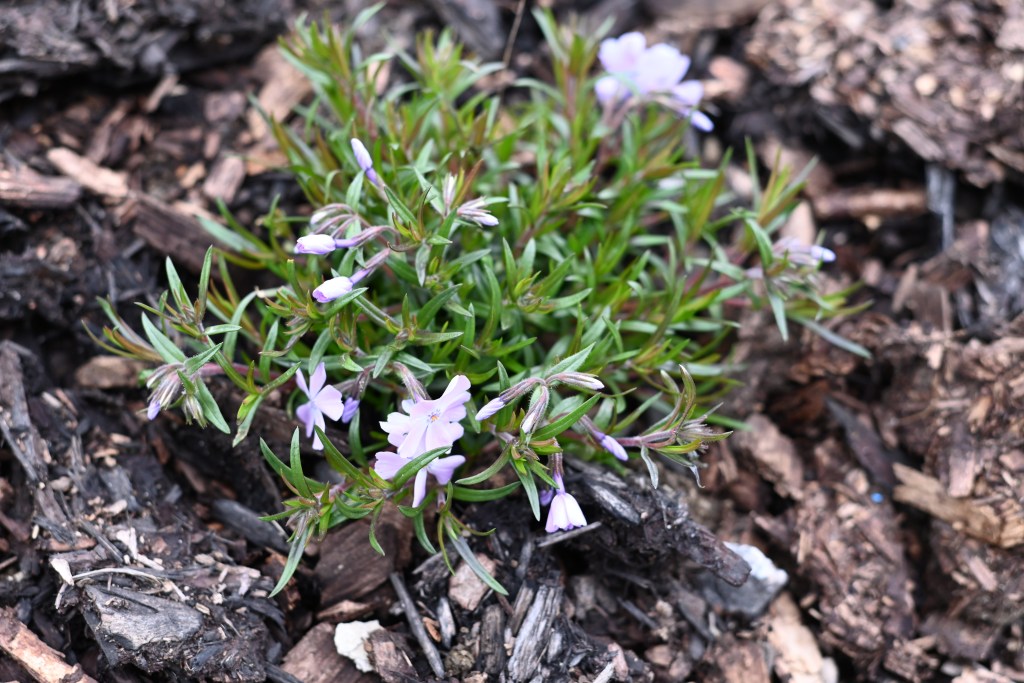
One change we made in the past few weeks was dig out space for a new garden that will focus on pollinator attracting natives. We ordered some plants from Ontario Native Plants that we look forward to getting including foxglove, echinacea, and Canada anemone. In the meantime we transplanted some delphinium from the back of our house and also planted some phlox moss and wild geranium that we were gifted. It looks pretty sparse right now, and I’m sure that some folks might think us odd for having a lot of clover, and gradually removing our lawn. We put up a sign in the new garden declaring it as pollinator friendly. I’m not sure if anyone will notice our sign, but it would be interesting if some folks begin to look into what that means and decide to make their own pollinator friendly gardens. I’m also considering adding little nameplates beside each of our plants so that folks can learn more about native plants.

We recently put up a nest for solitary bees, which are native bees in Ontario that need some help. I’m still learning the benefits of having bees, but think it’s lovely that by both attracting and helping pollinators we will end up with a more beautiful garden. I noticed that our winterberry tree that we planted last year is currently flowering and attracting lots of little bees!

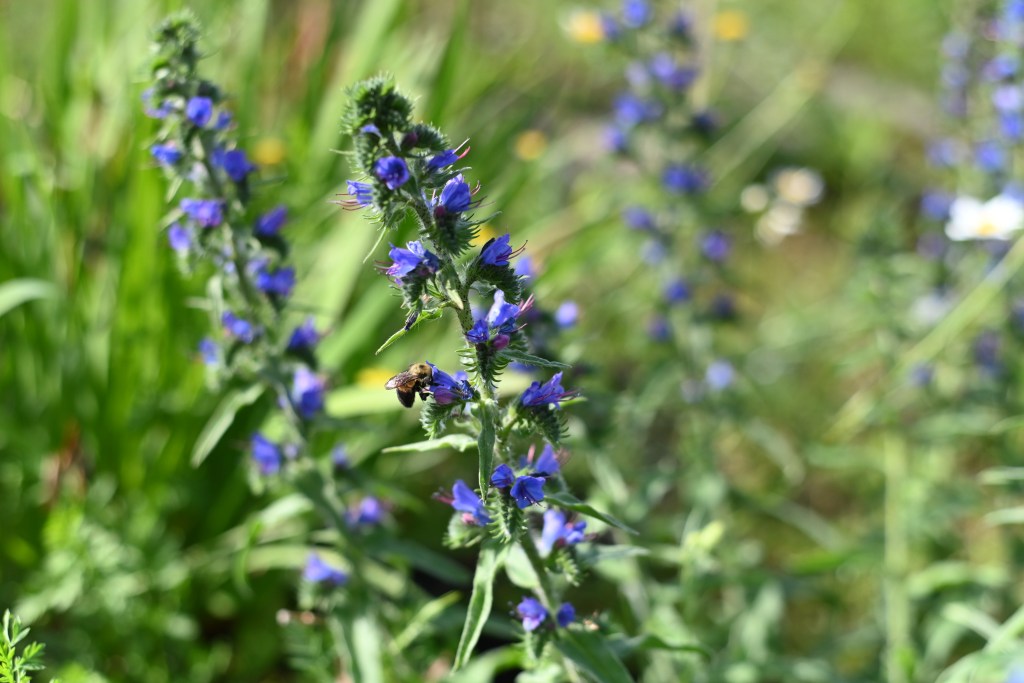
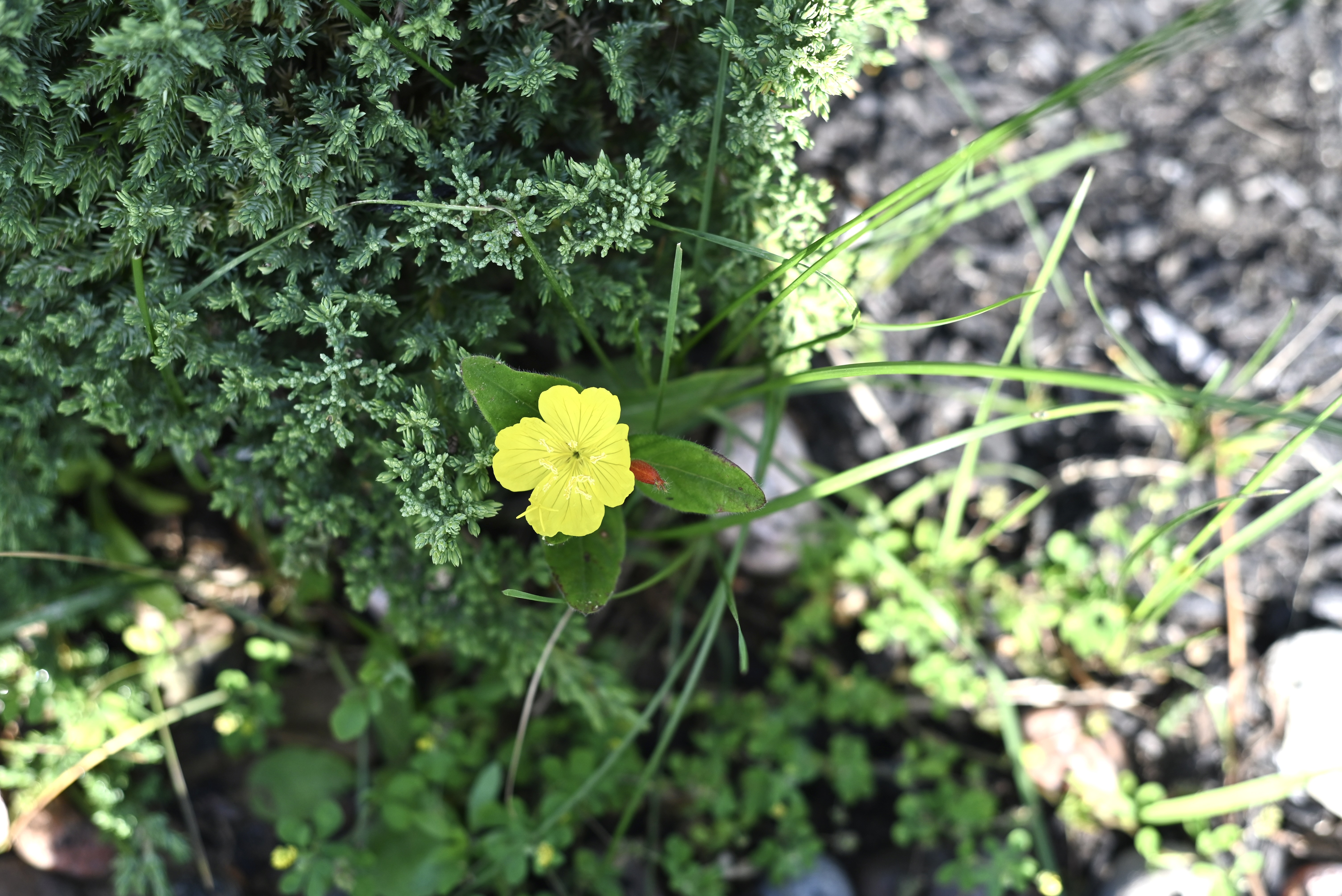
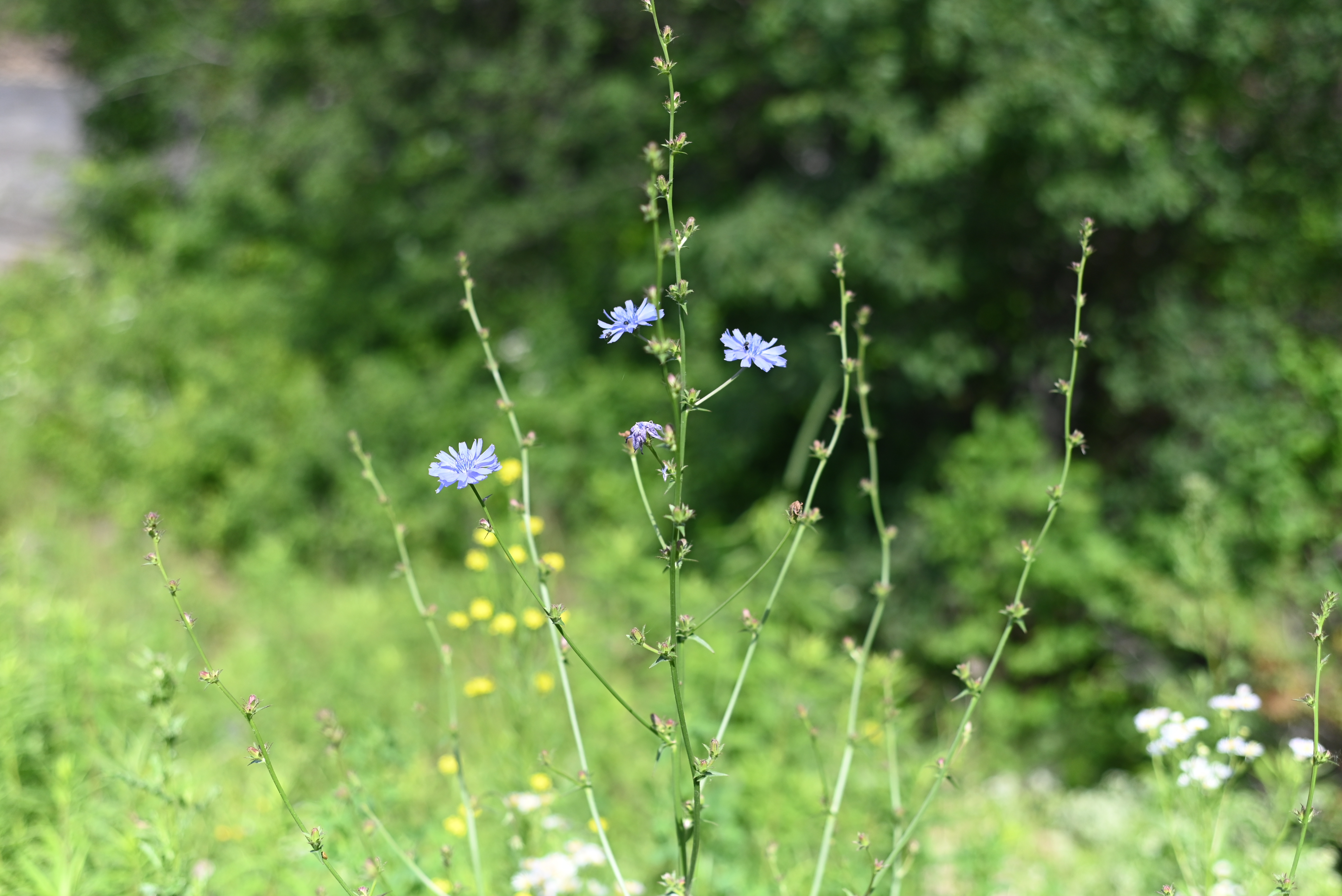
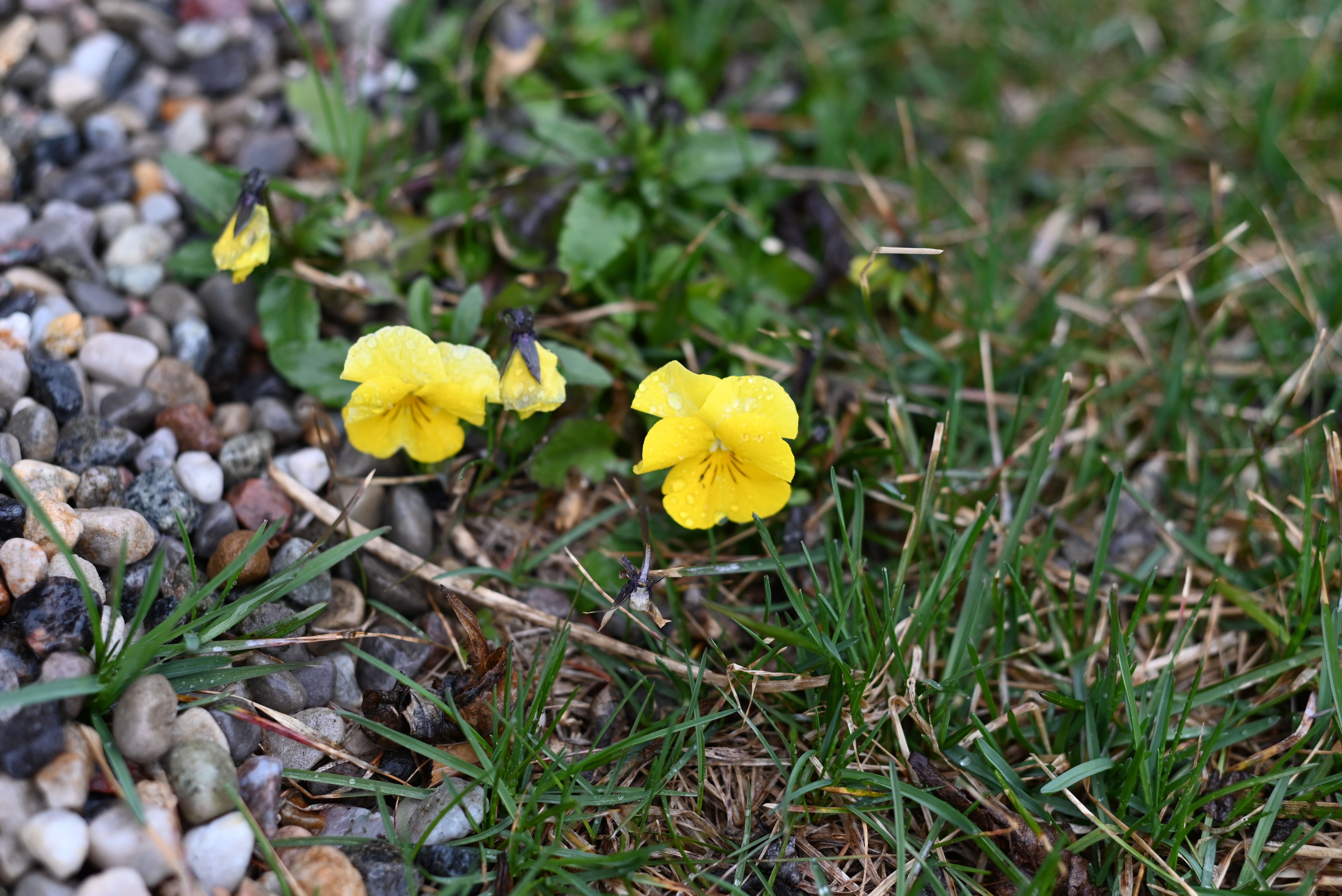
Finally – another unconventional thing I’ve been doing is waiting more before pulling things out of our garden to see what they might be. We live beside a field of wildflowers so it’s interesting to see that some of the flowers have seeded into our garden. From this practice I have been pleasantly surprised to find wild daisies and primrose appearing! I also found some viper’s bugloss or blue weed in our garden – which is currently blooming all around us. It’s apparently a plant that originally came from Europe but has become naturalized in every province in Canada. I found it interesting that viper’s bugloss appears on both ‘Ontario Wildflowers‘ and ‘Ontario Weeds‘ websites – telling on the importance of different perspectives. While it isn’t from Ontario originally it does seem to attract bees, butterflies and hummingbirds.

I’m happy that the village we live in already has a lot of gardens that appear more wild or natural than what you might see in some other areas. It’s honestly a bit intimidating to do something visibly against the grain, but I have been humbled by the amount of people who have stopped by to compliment our garden so far. I hope we’re able to make it more and more beautiful over the coming years.

Until next time!

Reflections on gardening in early June

The first half of June has been quite busy! We created a new garden and worked on some maintenance. We also put in an irrigation system as a way to be more efficient with the way we use water. Last year, while we installed a rain barrel, we used a lot of sprinklers and hoses to water both our lawn and garden. I found despite my efforts the lawn wasn’t very successful, and as I looked more into it, I realized how inefficient and costly (environmentally, financially) the traditional lawn is. Since then, I spent a lot of time learning about alternative lawns and the no-lawn movement in general – I will make a post about this another time.

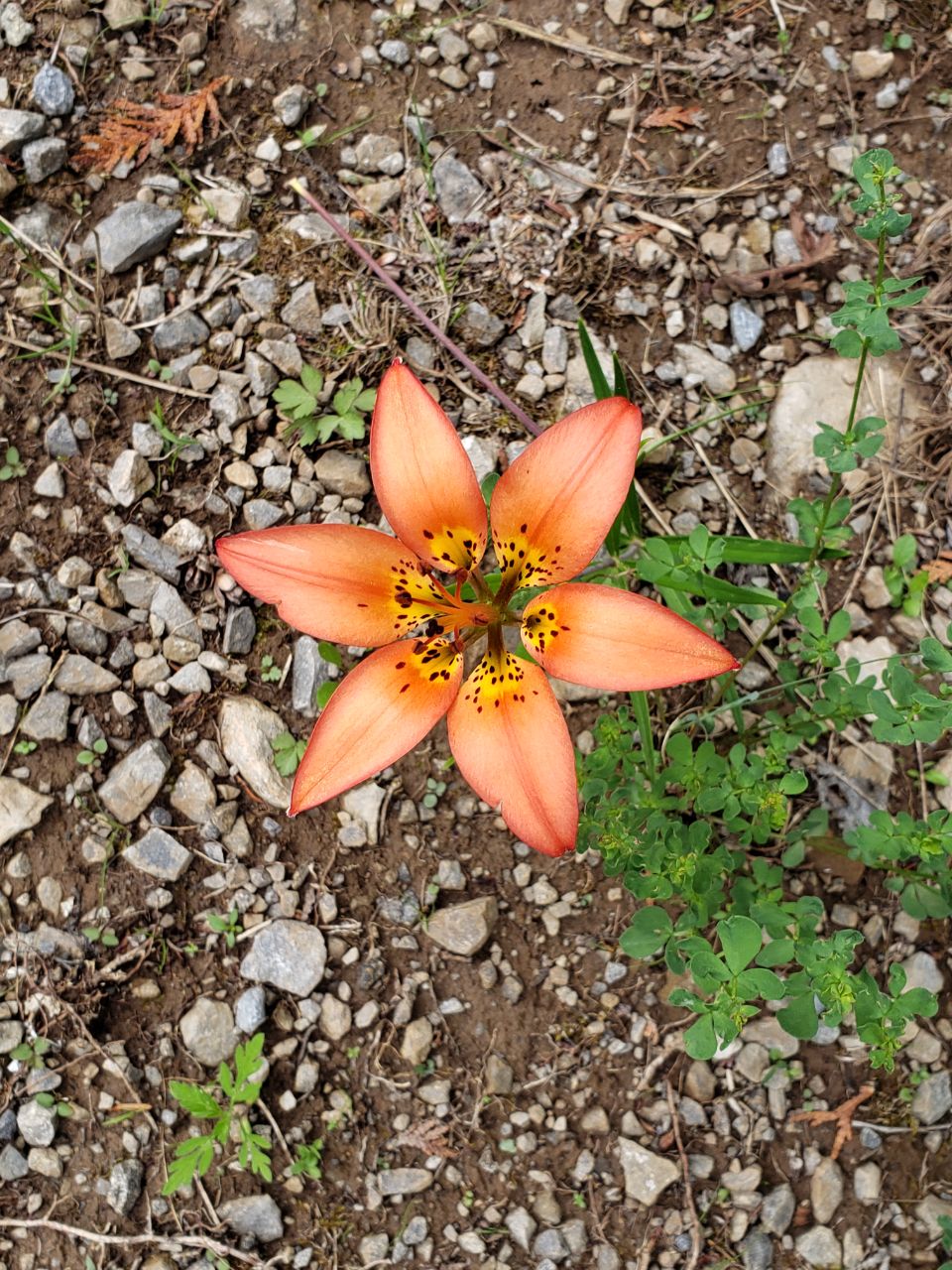
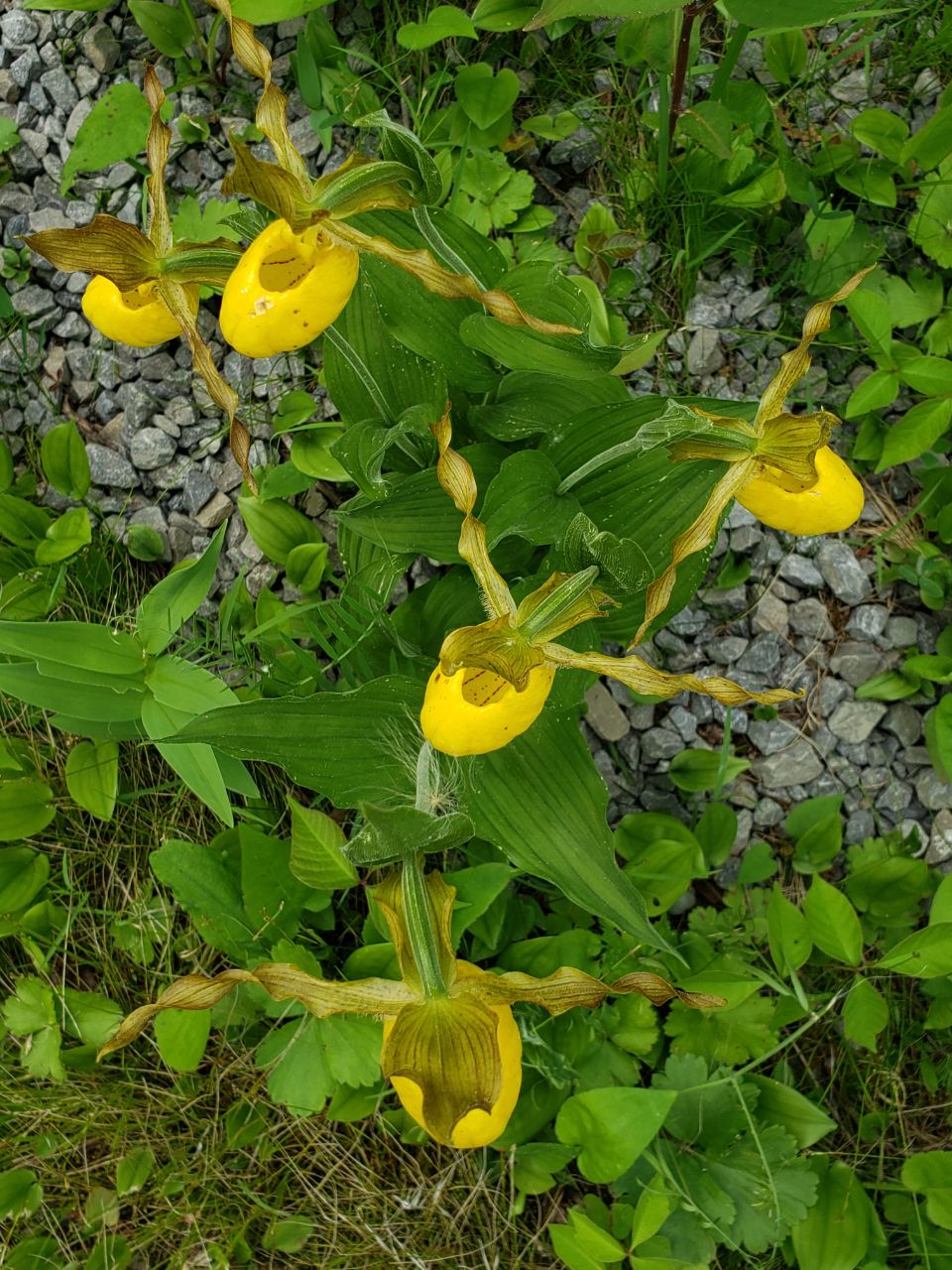
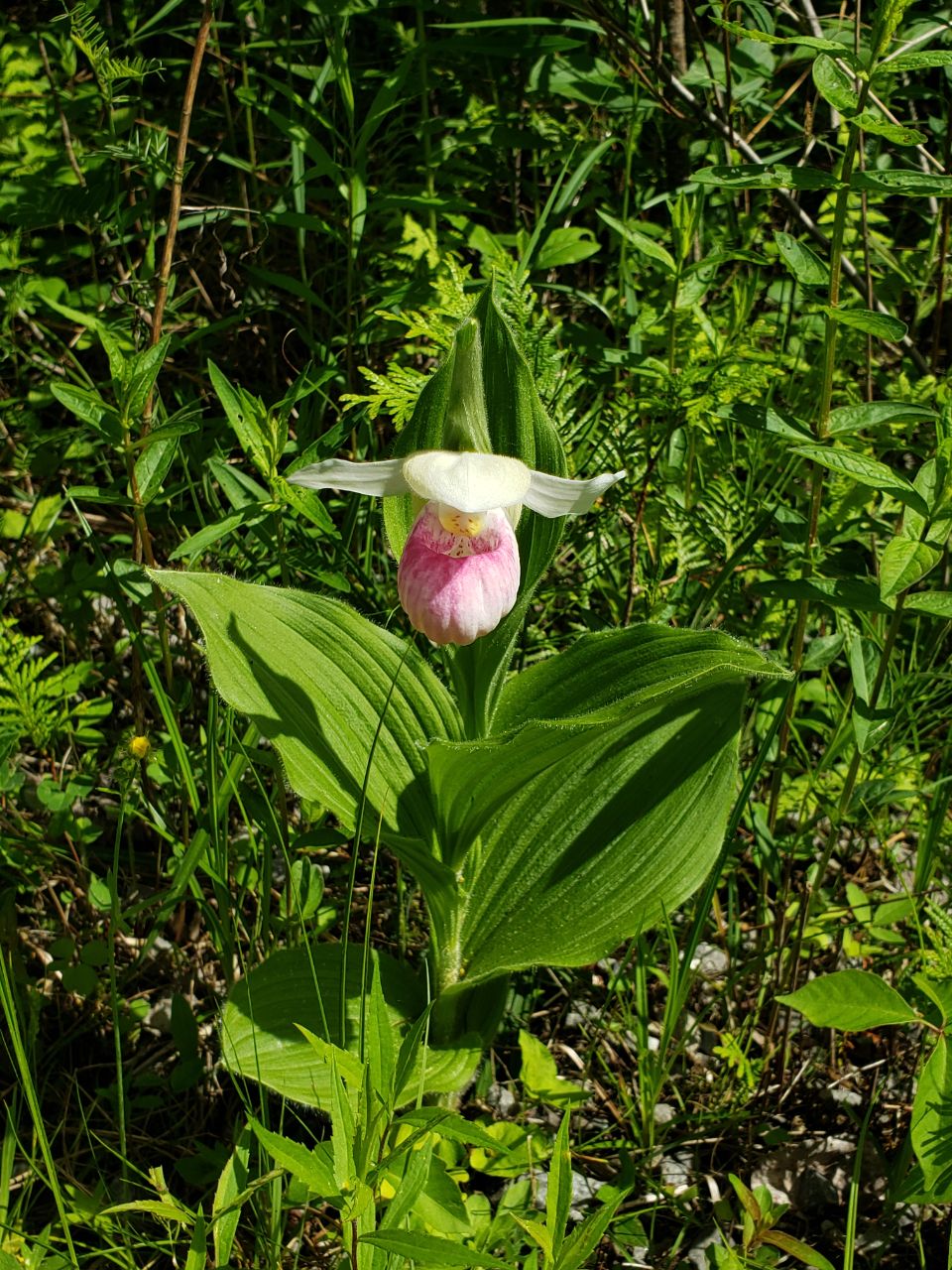
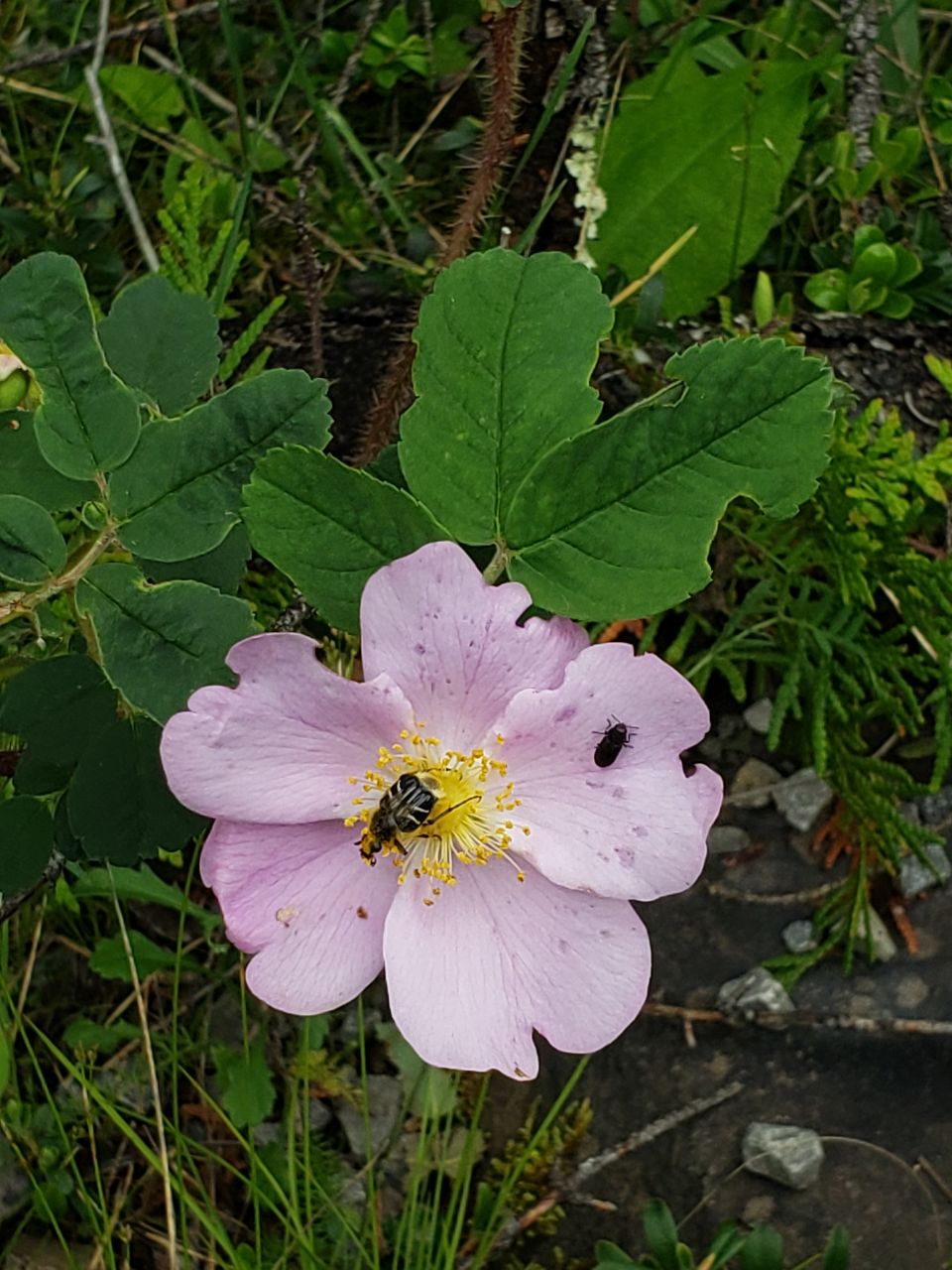
One thing I started to pay more attention to this month is all of the beautiful wildflowers in Ontario. Living in the country gives me the opportunity to see a lot more relatively undisturbed nature. I went for a walk with my friend earlier this week in the forest and she introduced me to wildflowers that I didn’t even know existed! I was completely unaware that we have wild lilies and roses.

This year, while working on our pollinator garden, I have had a lot of opportunity to reflect upon native and invasive species. The more I learn, the more I am able to identify when going for walks. About ten years ago or so, when I was studying tea ceremony, my teacher encouraged me to make a journal of the different flowers blooming each season, so that I could become more aware of seasonality. I made a journal for myself where I could see the different flowers blooming, and I recall the experience making me more attune to what was happening in my environment. It’s interesting to revisit this task, and to become even more involved as now I have the opportunity to grow my own garden. While before I enjoyed looking at wildflowers on walks, I feel like now they have taken on a new depth for me, I look at them and think about how they benefit different birds and insects. I think about how (and if) it’s possible for me to incorporate them into my own garden.

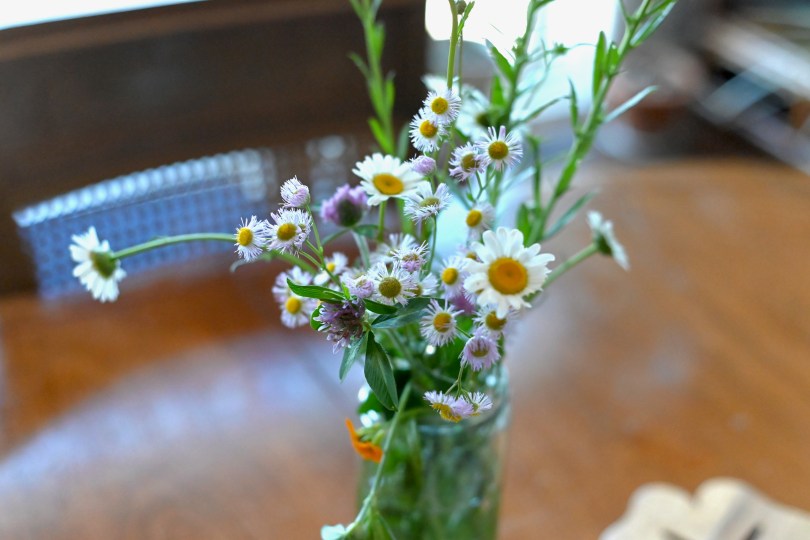
I never really gave up my interest in birds, and throughout the years I have watched birds and listened to their calls. That being said, I don’t believe my passion for flowers and plants really came into it’s own until I started creating my own garden. There’s a small meadow beside my house that is full of wildflowers, I’m enjoying cutting some to put in my kitchen, and thinking about how I can potentially propagate or relocate some to my own garden.

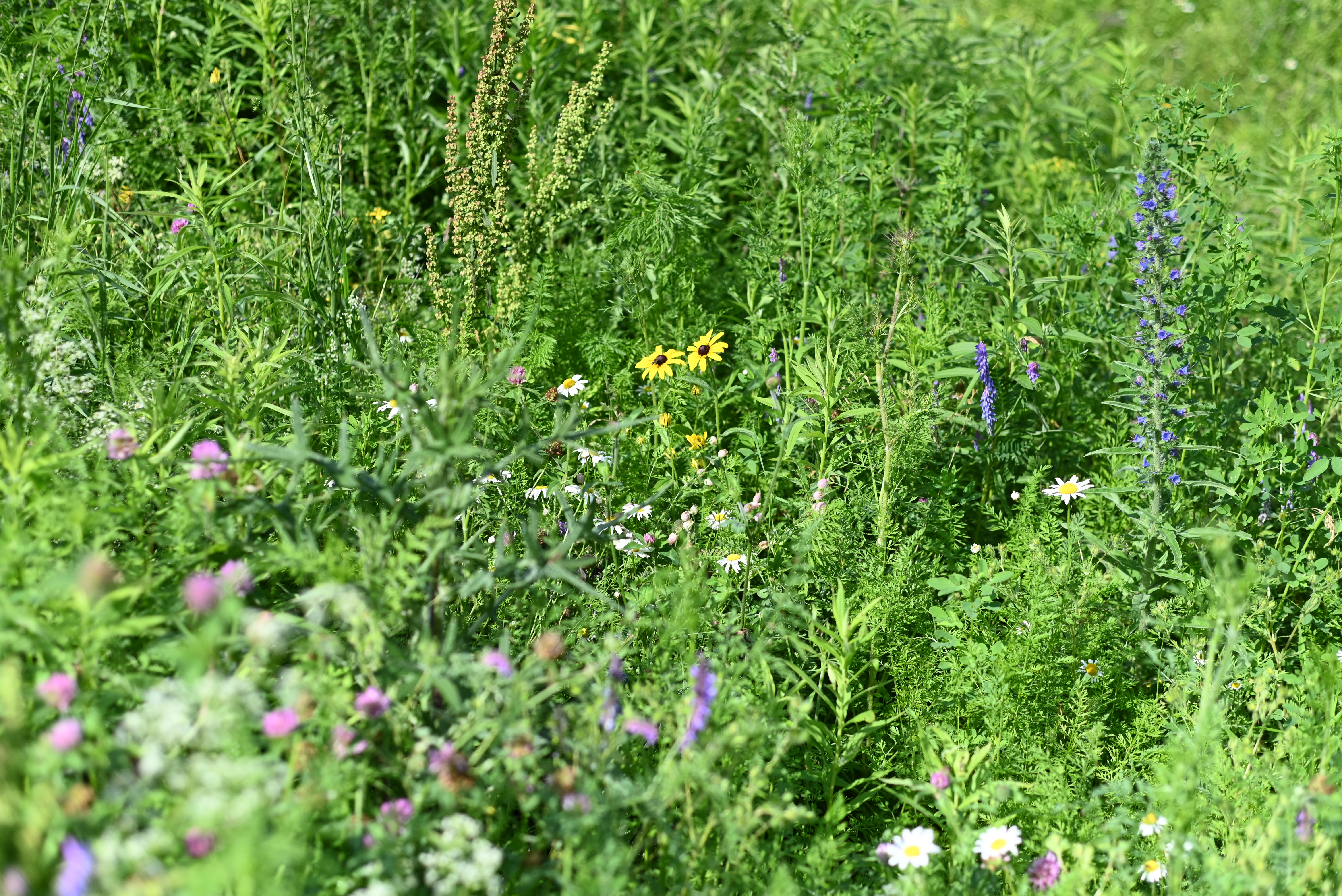
Field of wildflowers including red clover, and daisies.

Learning about pollinators (e.g., bees, birds, beetles, bats, etc.) has started to change my perspective on ‘weeds’ as well. I never really understood why something was considered a weed before, but now I’m beginning to create my own definition of it. For me, a weed is an invasive species that chokes out or damages the natural ecosystem. Or potentially a plant that is lovely one place but not in another. For example, I love queen anne’s lace, and think it’s a beautiful flower. However, my side garden is covered in queen anne’s lace, so I’m actively working to remove it so that I can plant more diverse plants. Alternatively, I found some beautiful swamp milkweed and daises in my garden. I didn’t put these there, nature did, but they will be incredibly beneficial to local wildlife.

I love gardening because it’s a hobby I can do for my entire life, and it’s something I can continuously learn from. Every year we make lots of mistakes, for instance, this year we dug holes for lilac trees too close together in an area with almost no sun. We also spread black mulch around our garden, which I learned can be potentially dangerous as the wood can come from suspicious sources like old pallets. That being said, we learned from our mistakes from previous years, and have been continuously building upon our garden. The amount of biodiversity we have this year – after only a year or living here – is incredible. We get different birds almost every day! I’m still working on becoming more aware of the different insects around our property.

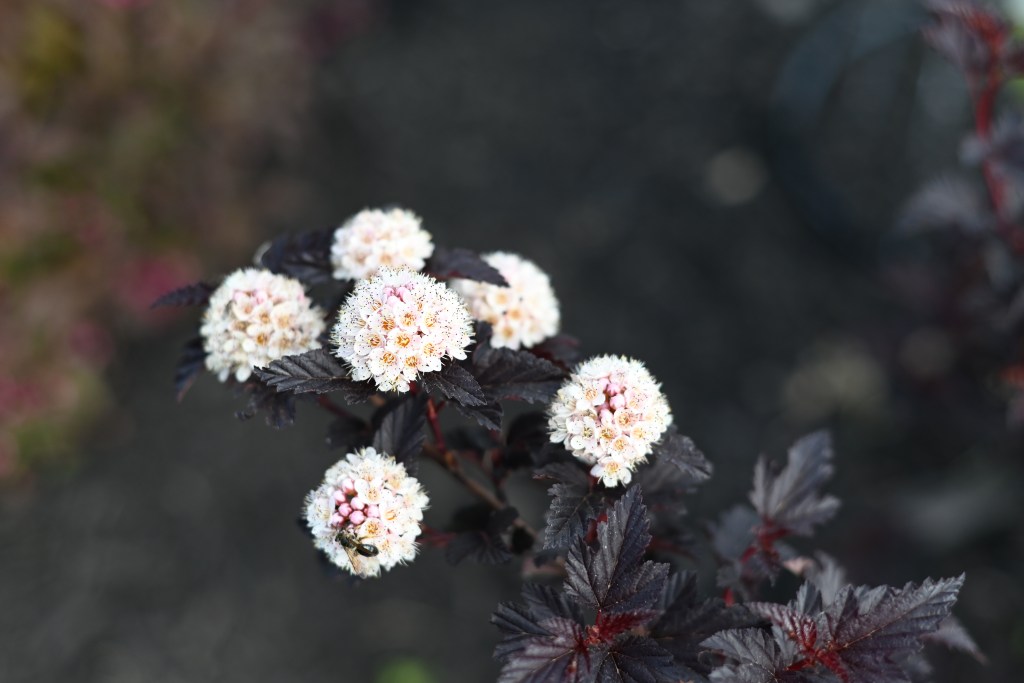
Here are some of the plants that bloomed in our garden in the first half of June.

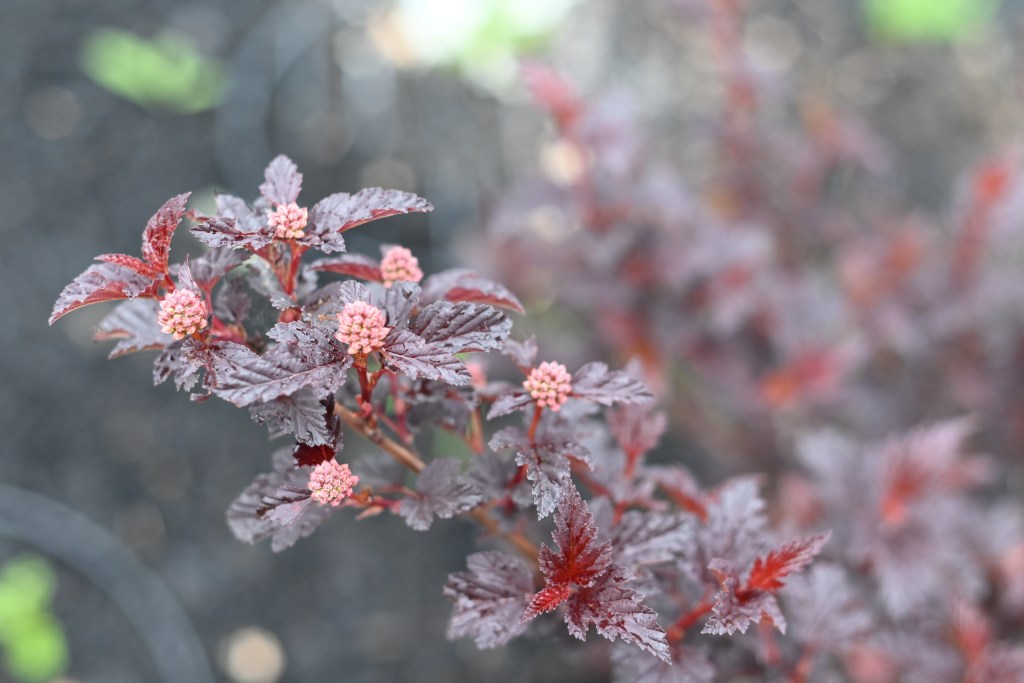
  1. Ninebark
  2. Peony
  3. Peony
  4. Lavender
  5. Ninebark
  6. Sweet William
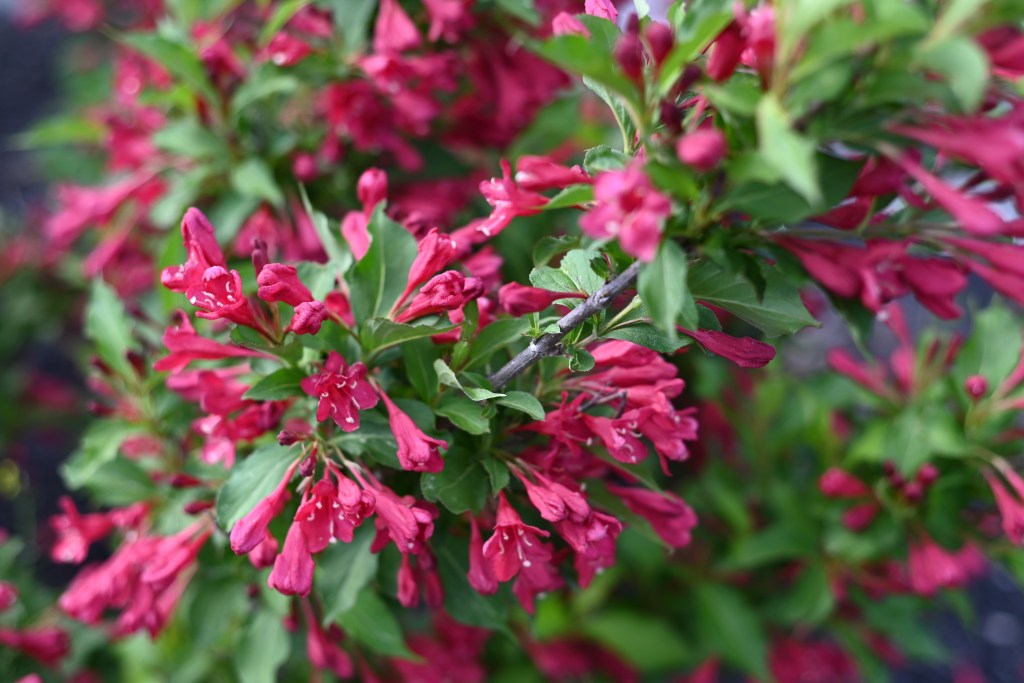
  7. Weigela
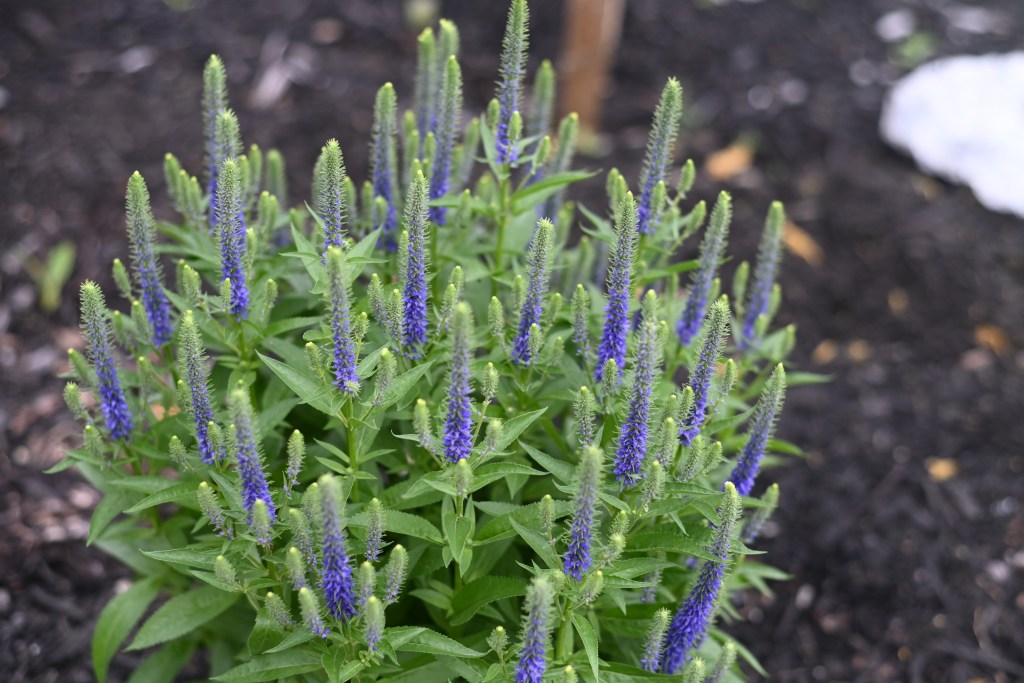
  8. Blazing star(?)
  9. Daisies

Until next time!

Late May photo round up

Time always seems to pass me by! Here are some photos of developments in our garden. The second half of May we focused on mulching, and pulling up weeds. We planted a couple of plants but decided to focus on maintenance. We also (with my parents help) got an irrigation system installed! That way we can be more efficient in terms of water usage and avoid wasting water. Please see some photos below.

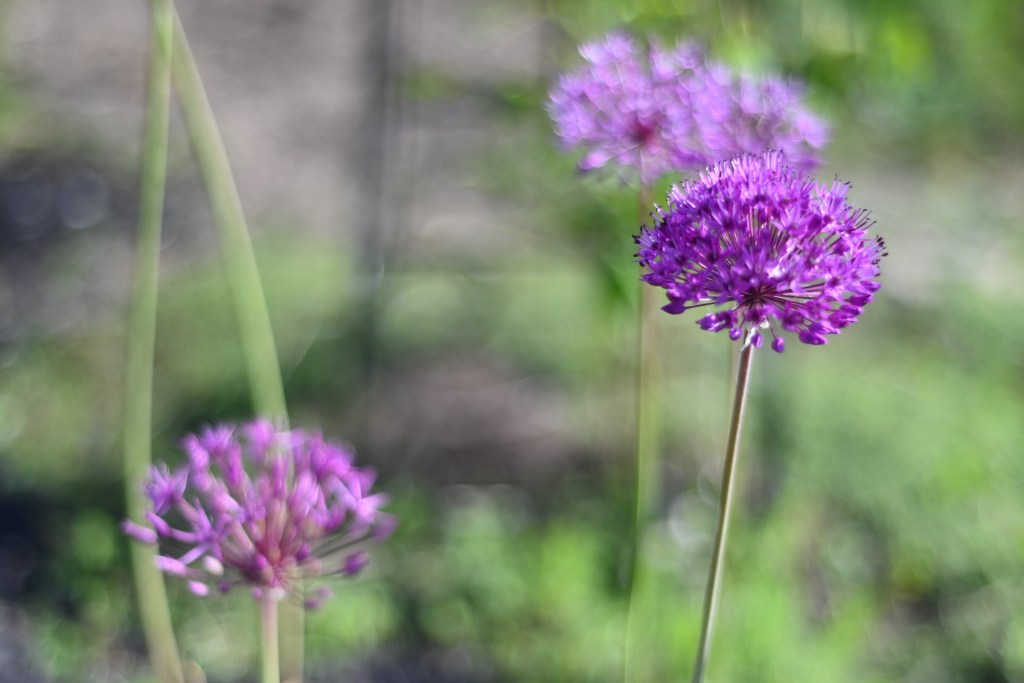
  1. Allium in bloom. They make for great dried flowers, too!
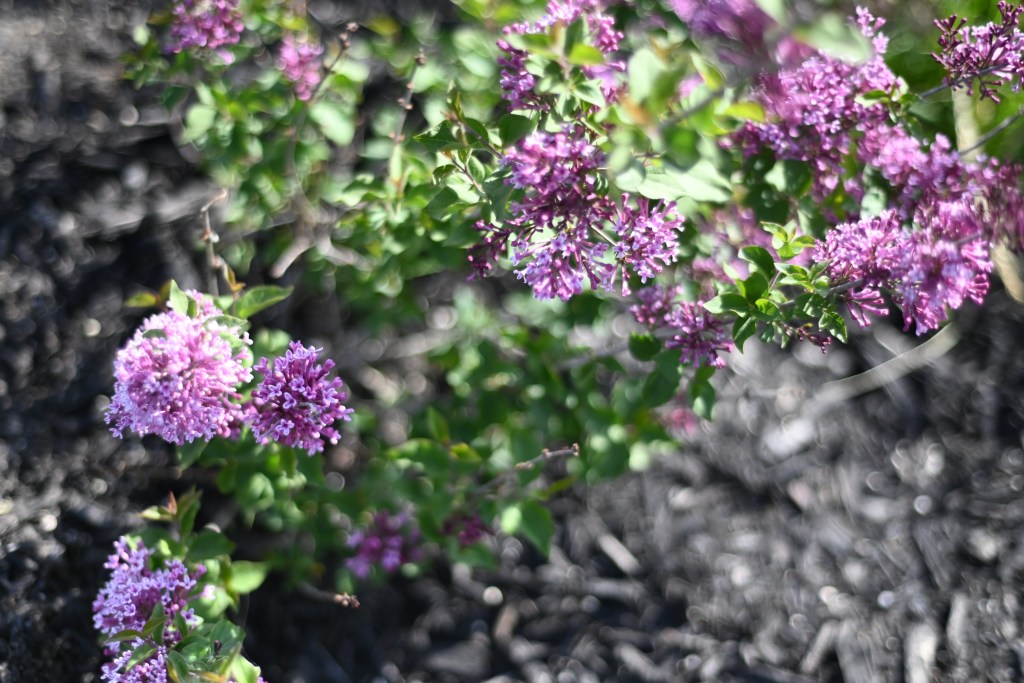
  2. Lilacs! We bought this three season lilac bush last year. Happy to see it bloom!
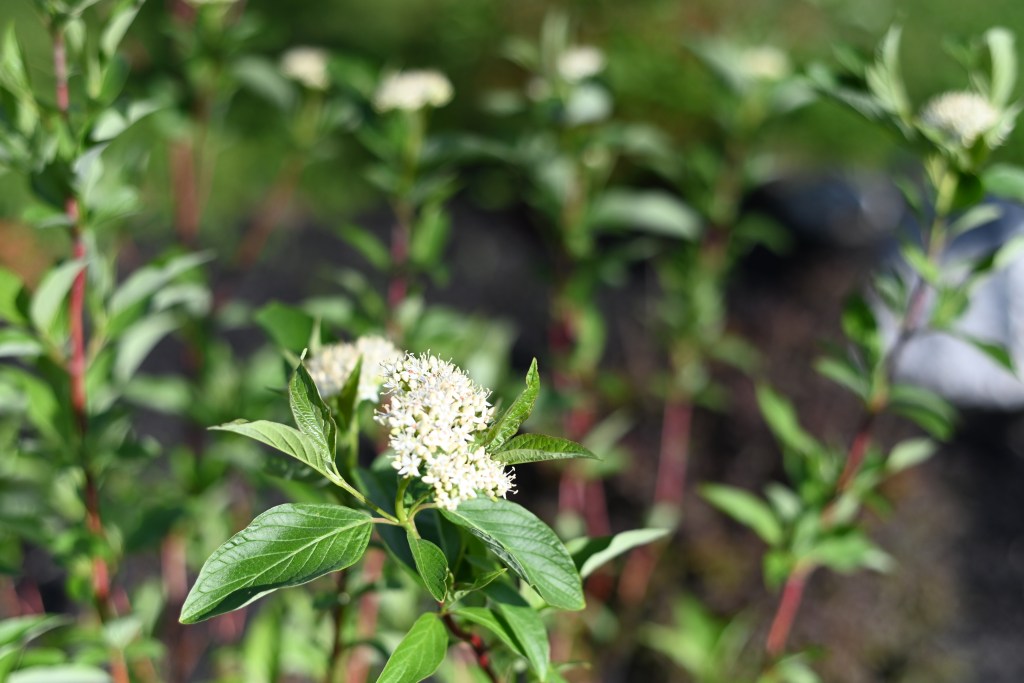
  3. Dogwood tree in bloom. I didn’t know that it flowered so this was a happy surprise.
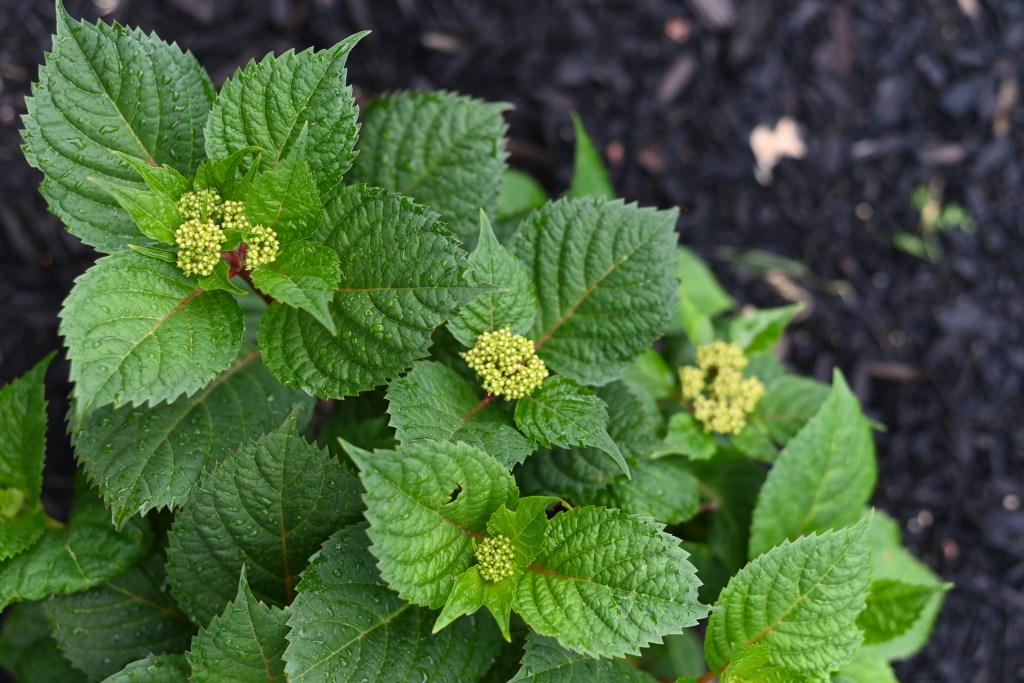
  4. Hydrangea getting ready to bloom.
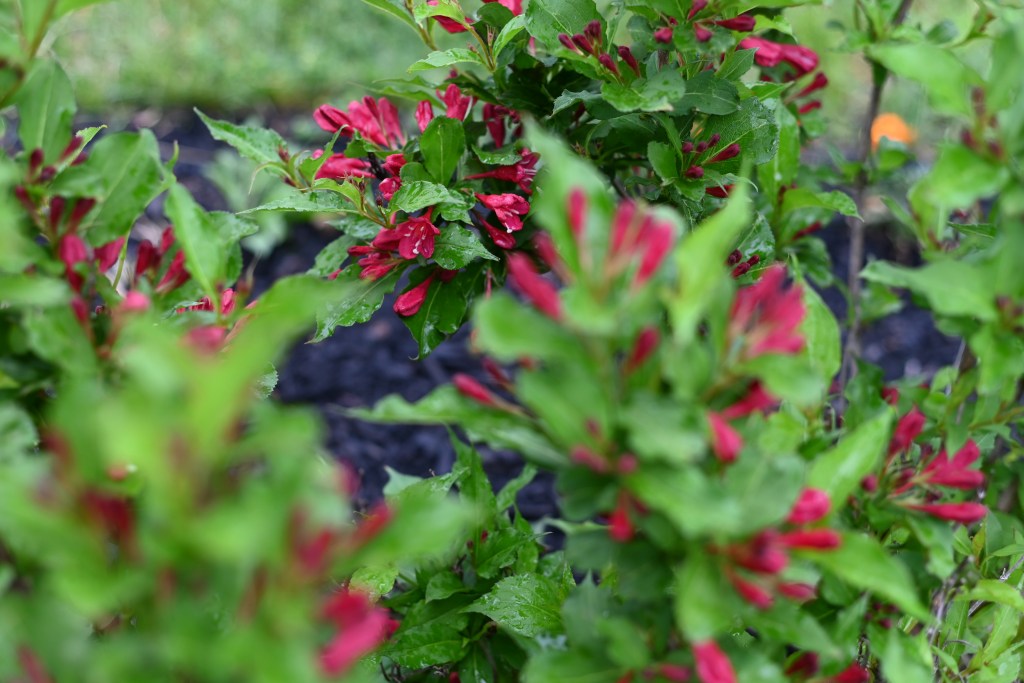
  5. Weigela in bloom!
  6. Not sure what this is, but it’s pretty!
  7. Ninebark beginning to bloom!
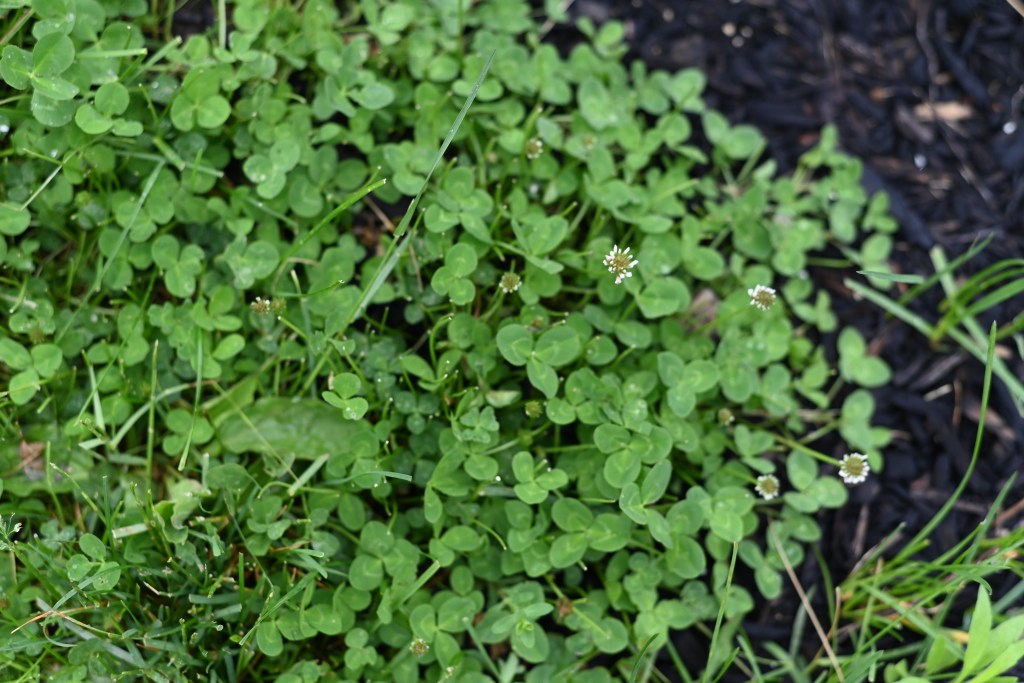
  8. Our clover lawn is starting to come in.
  9. Sage
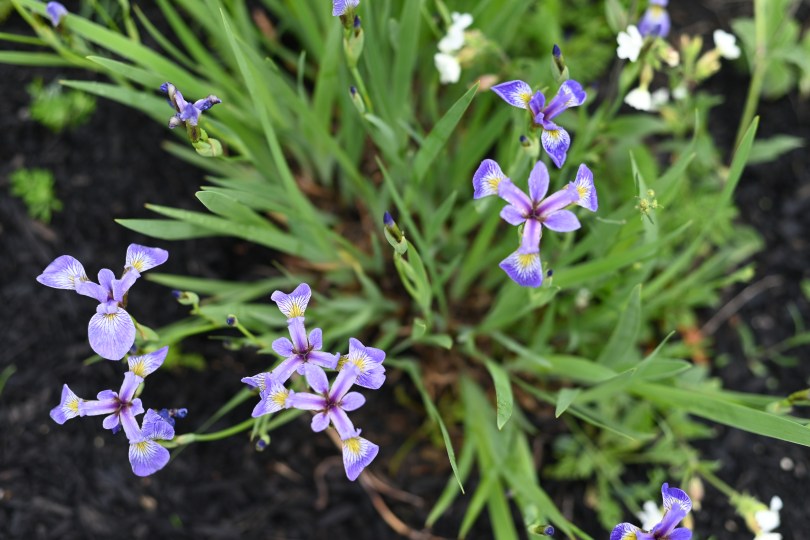
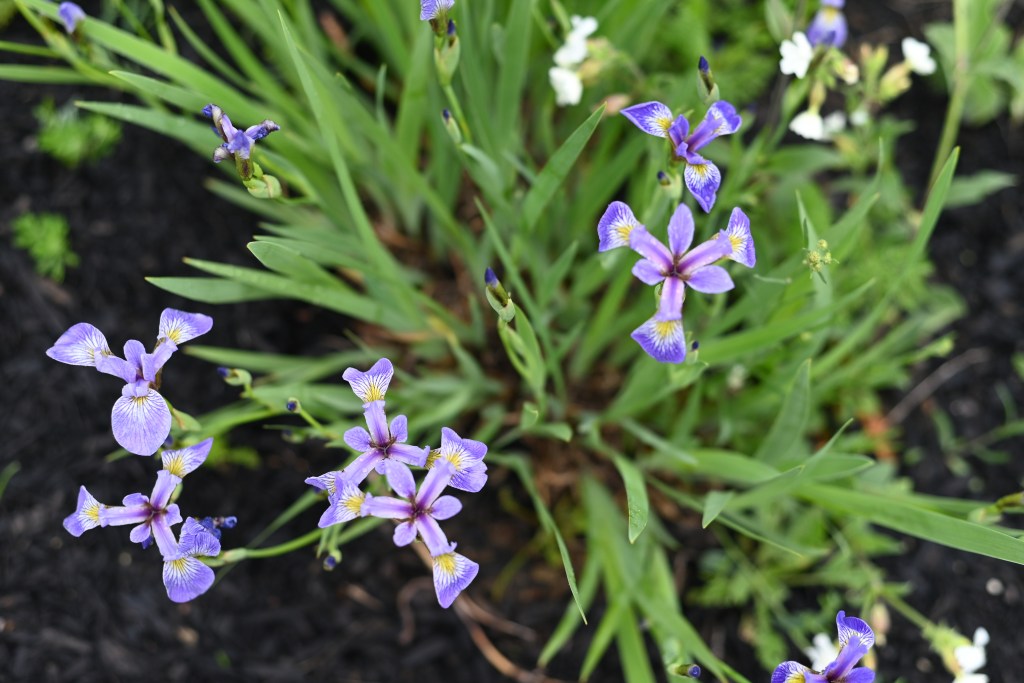
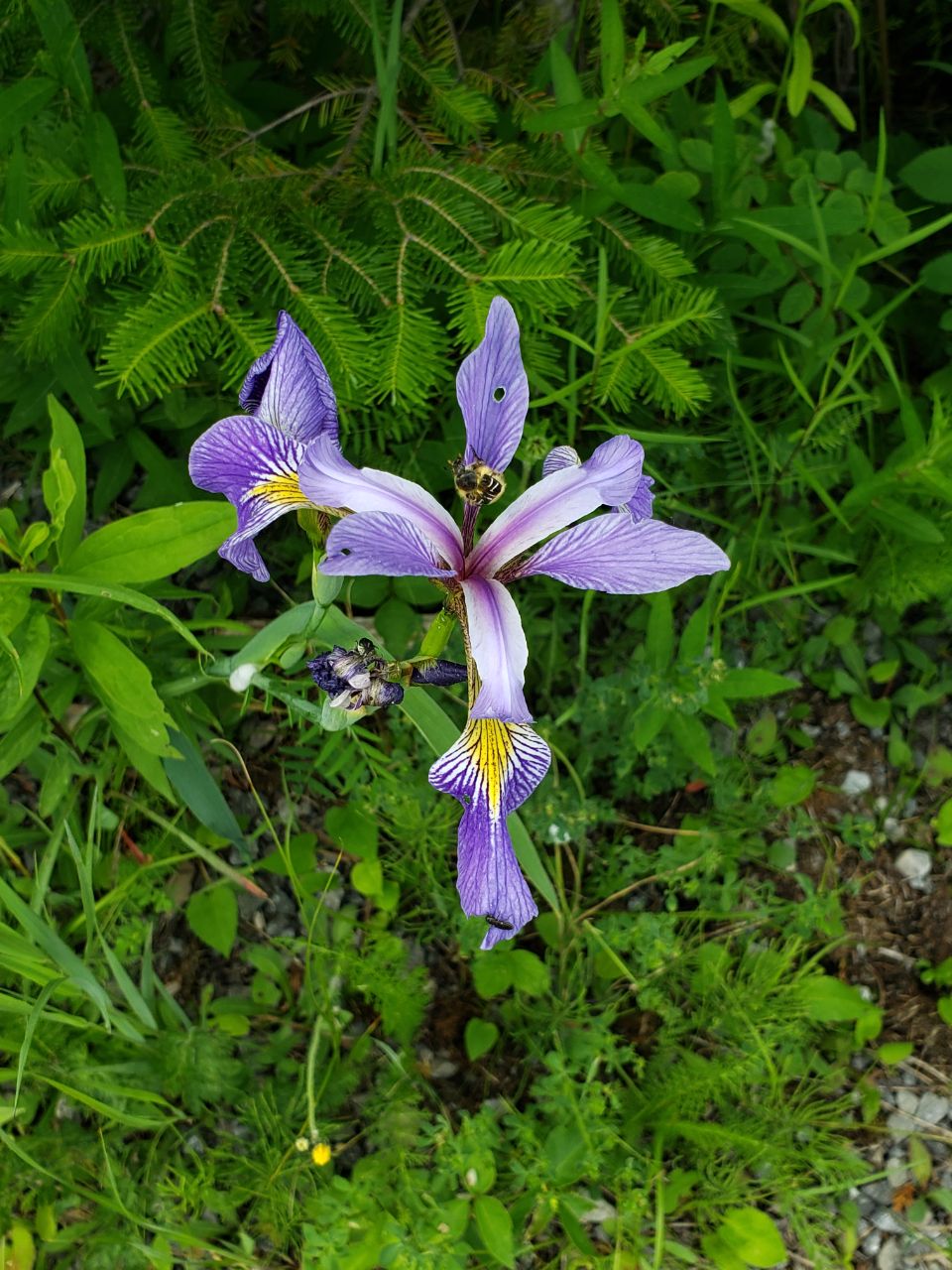
  10. Blue flag iris
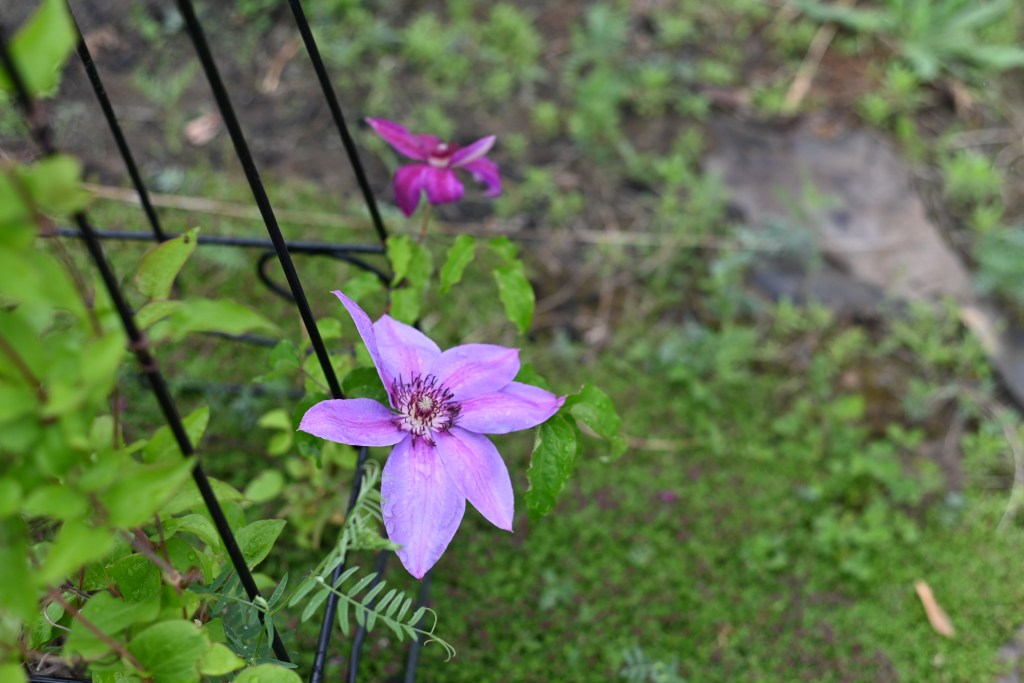
  11. Jackman clematis and creeping thyme
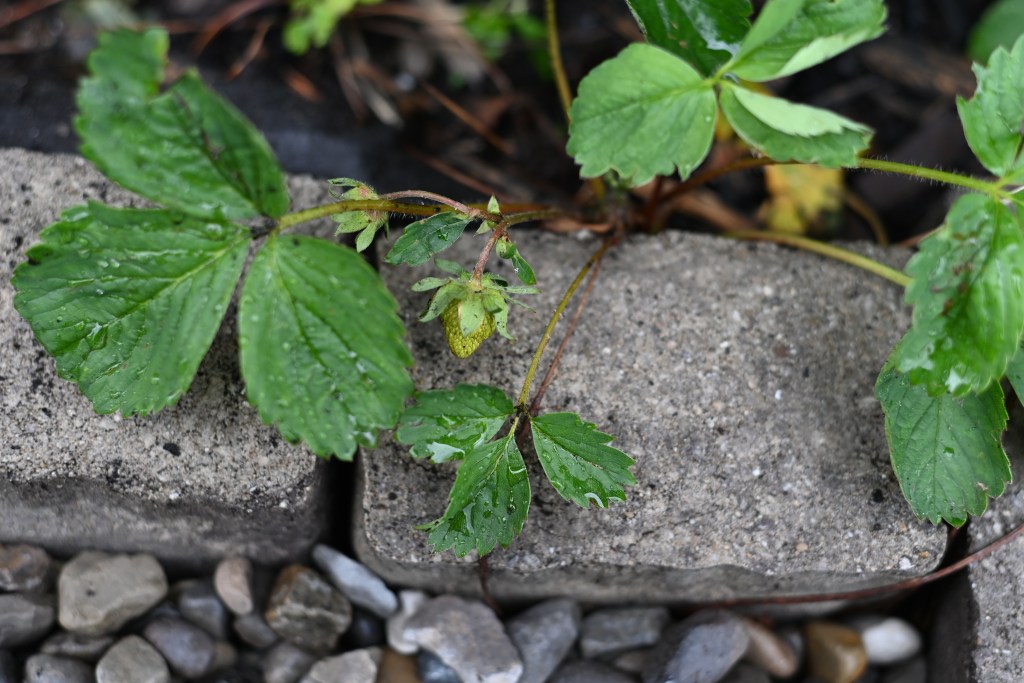
  12. Wild strawberries turning into fruit!

That’s my update for some of the things we have in bloom at this time of year. Will update again as soon as possible.

May garden update

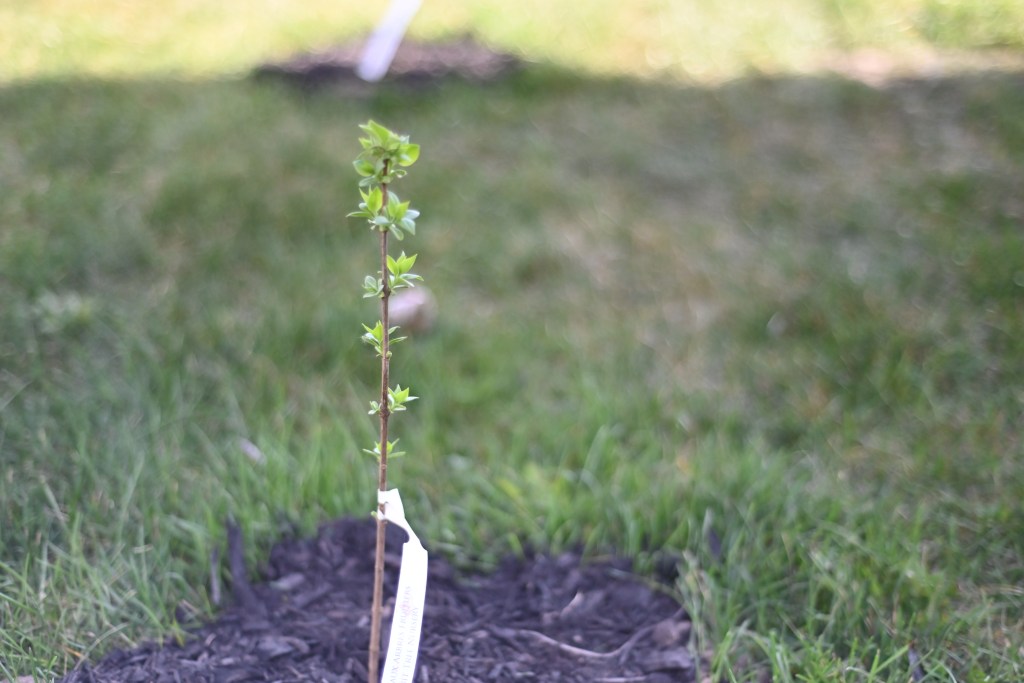
It has been a busy month so far in terms of gardening! We received a package of multiple fruit bushes and trees earlier this month that we planted including black currant, raspberry, grape, quince, and multiple lilacs.

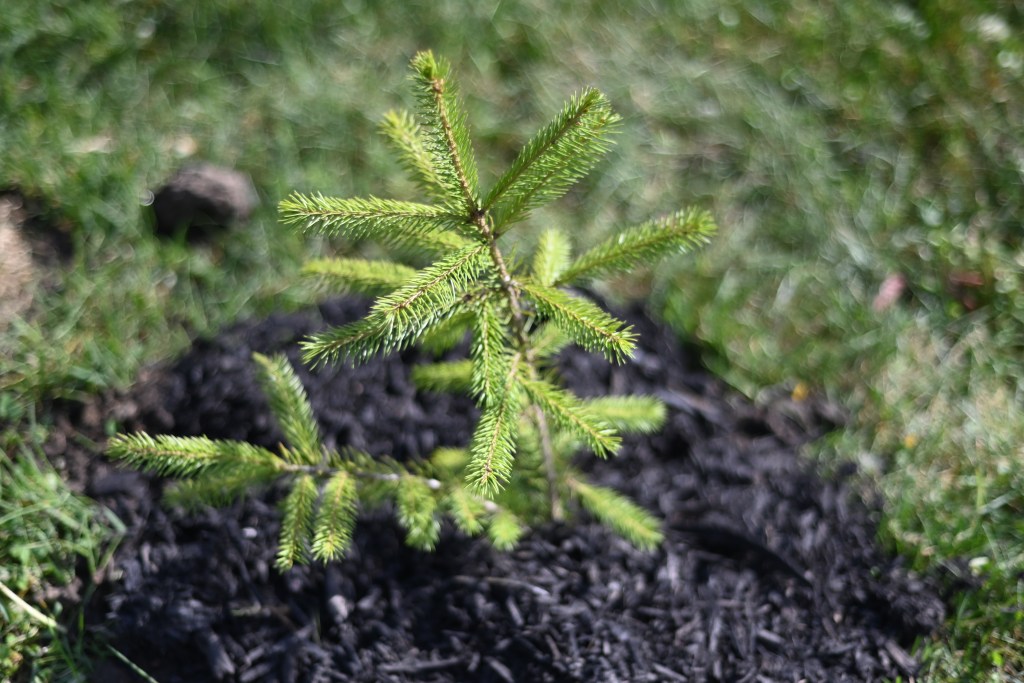
We also went to a tree sale and bought multiple native cedar trees as well as a blue spruce. They are quite small now but since they are native trees they should do quite well!

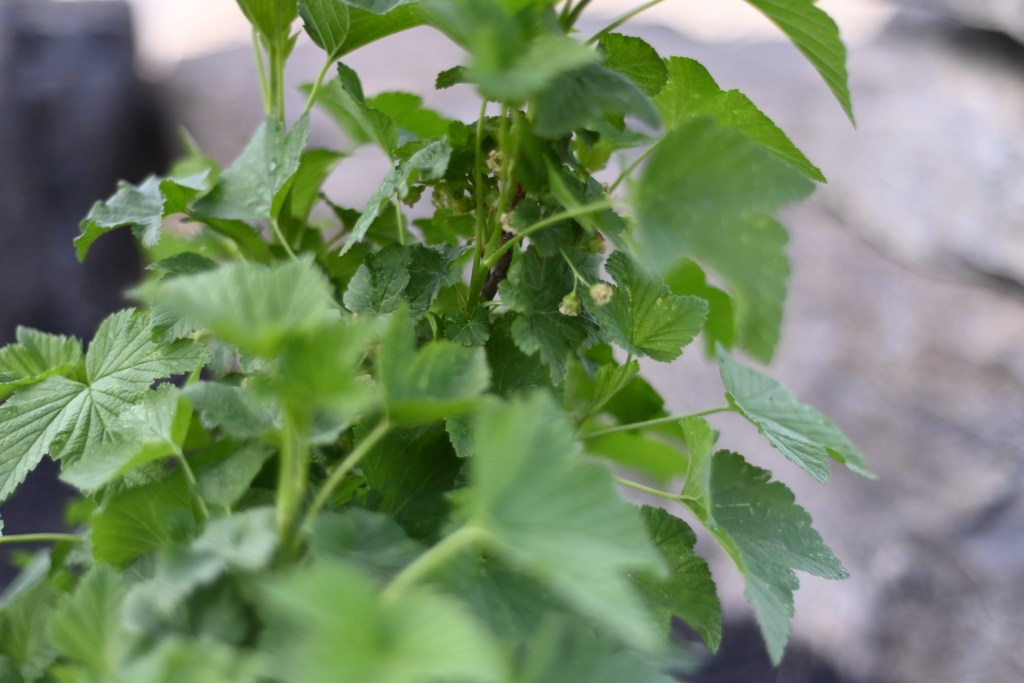
We were surprised to come back after a week vacation to see that the trees and plants we planted last year have come into bloom! Our strawberries are flowering for the first time, which means we might have strawberries soon! Our black currant bush also seems to be preparing fruit.

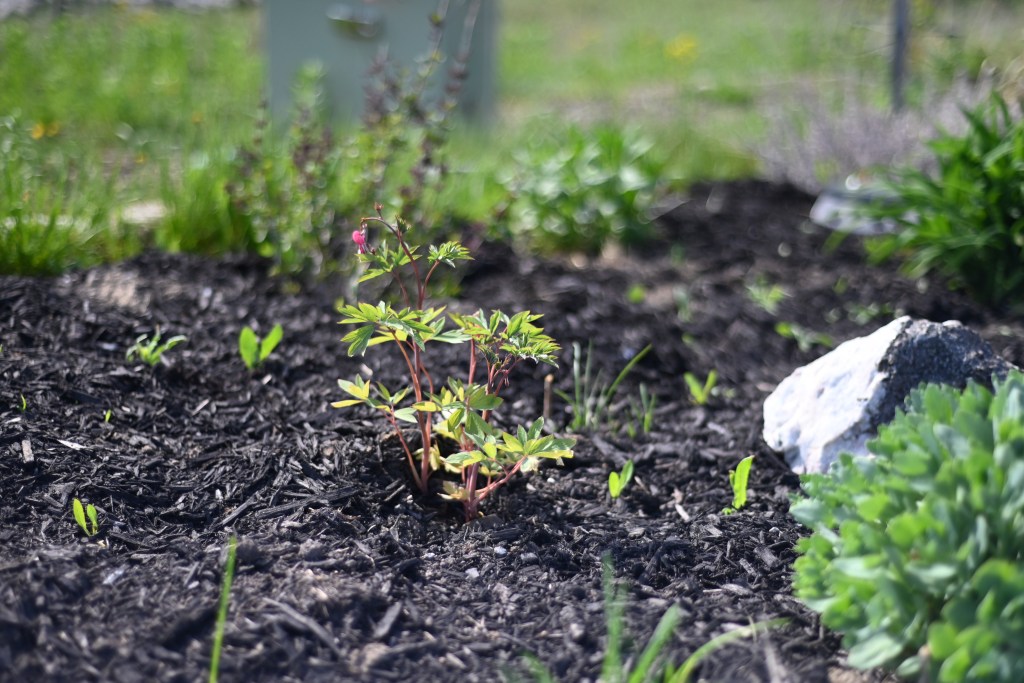
We got some new plants including a hydrangea bush and bleeding hearts.

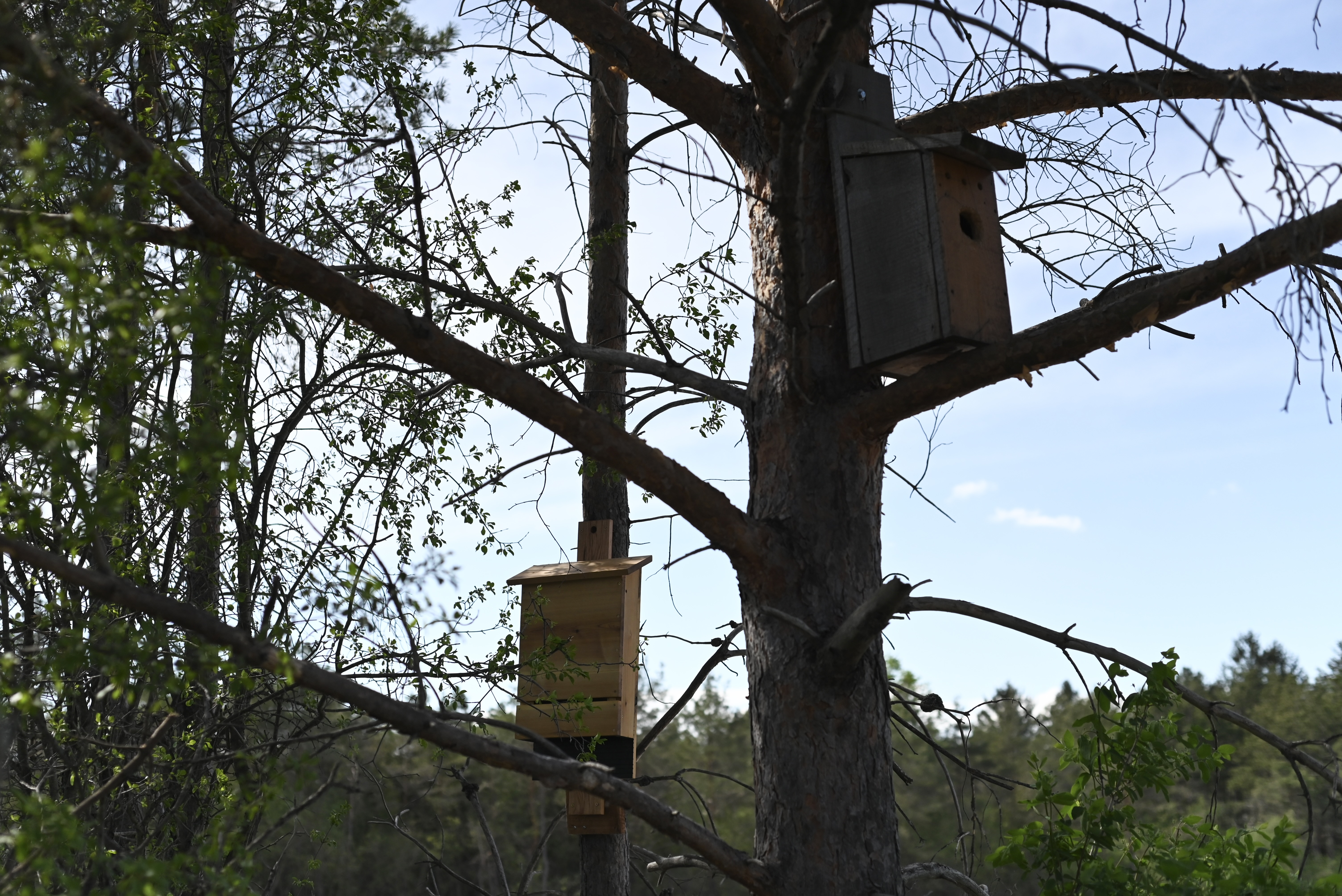
Some other things started to bloom, and we got our bat house up!

I’ll write a longer blog post soon, but very excited to see all of the changes in our garden.

Stones and the kindness of others.

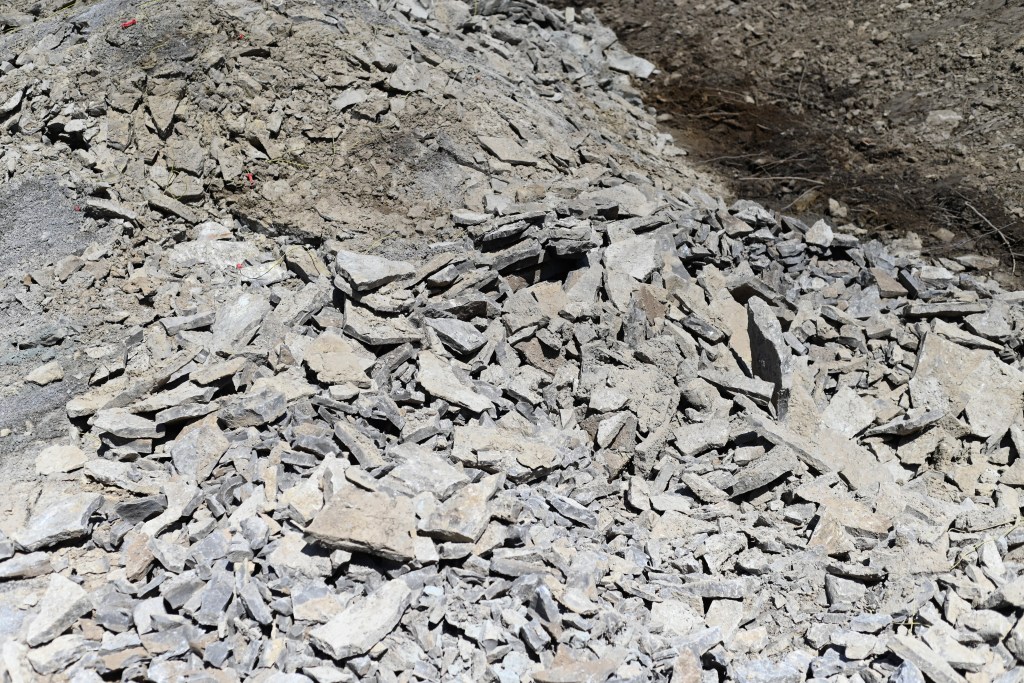
In the past few weeks, construction started behind our house. More specifically they started blasting rocks to prepare for putting in various infrastructure. I have been really frustrated with how random the explosions are and seeing trees be cut down. For the first few weeks I became really negative and upset. I didn’t even want to look outside. That being said, I’m working on gaining a new perspective on it. While I’m upset to see habitat destroyed, we do live within the village, and this will provide the opportunity for new families to come. They’ll also be making a new park and once the construction is done I hope our new neighbours will make gardens of their own.

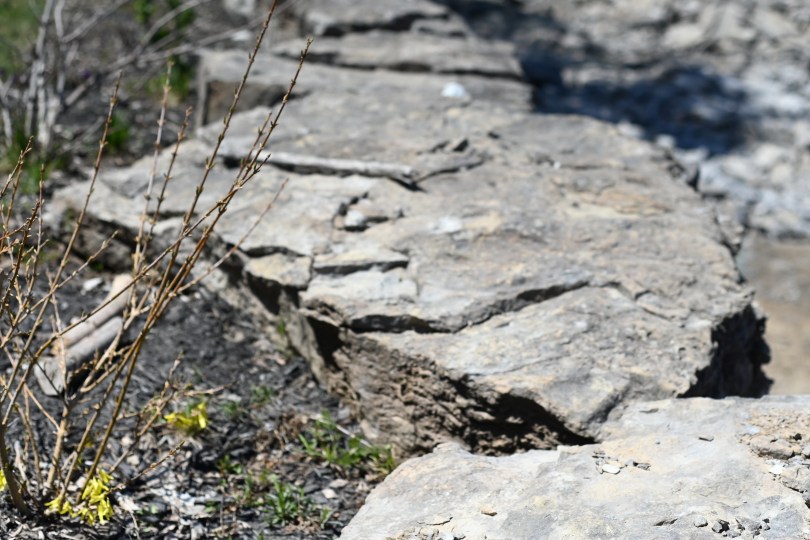
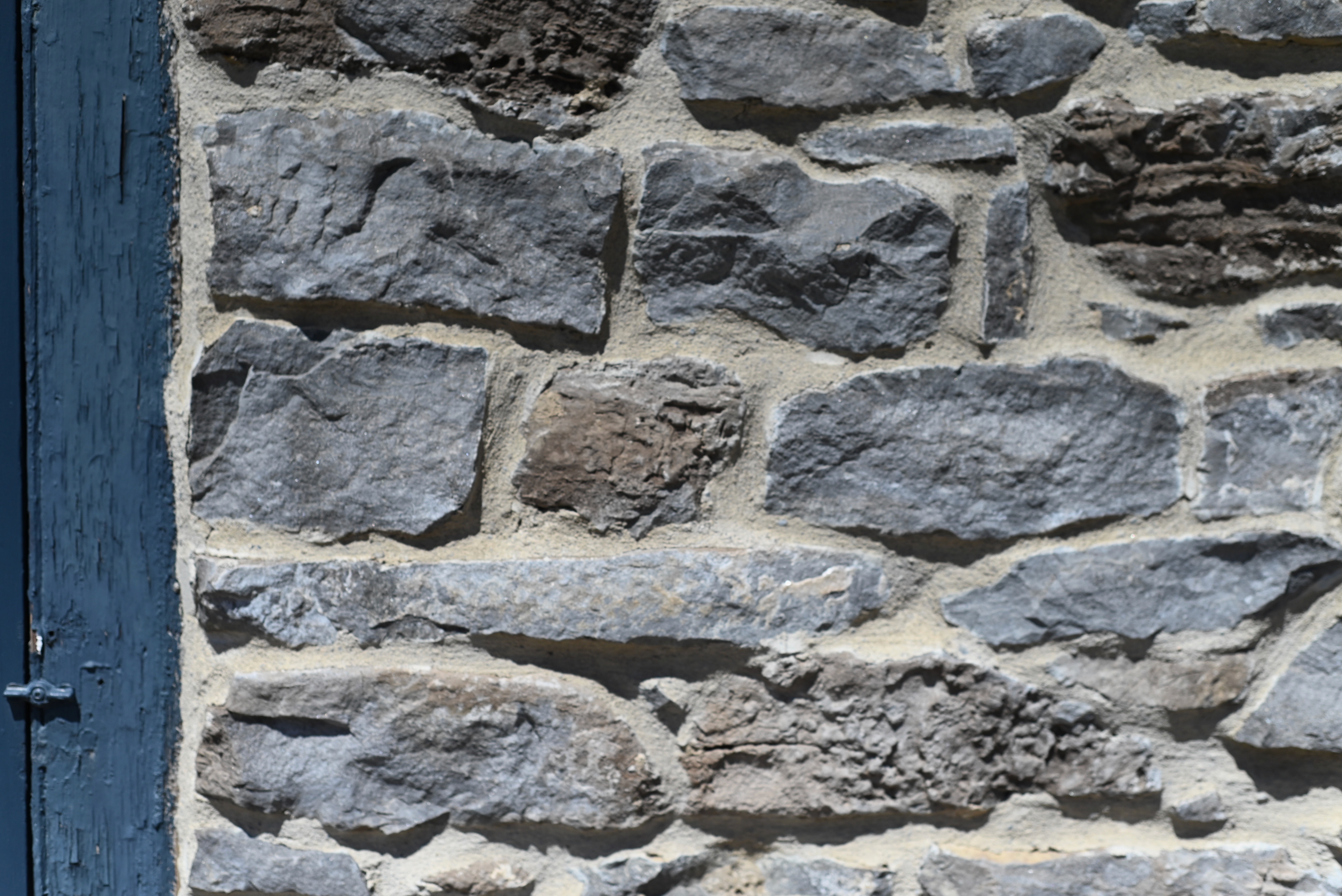
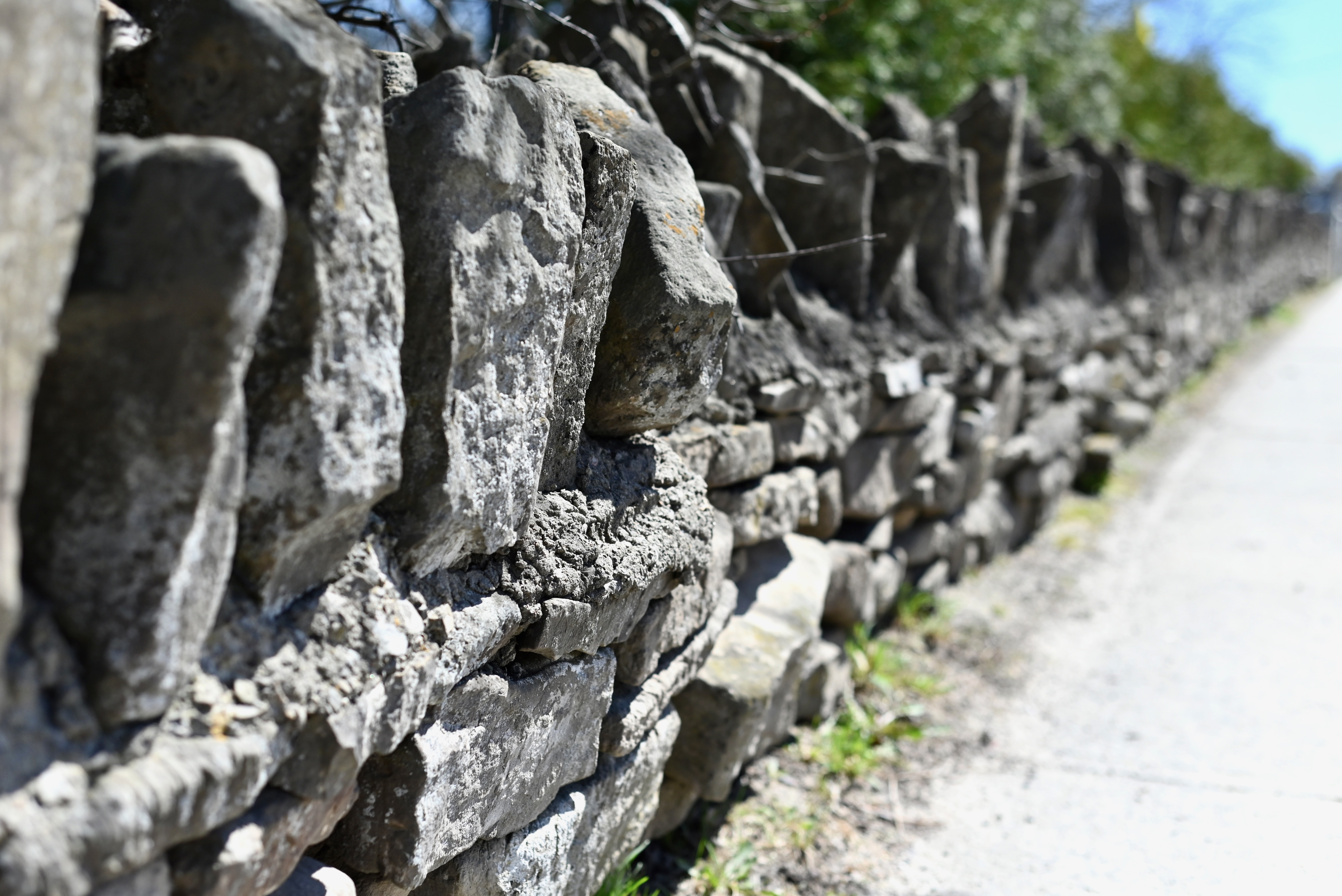
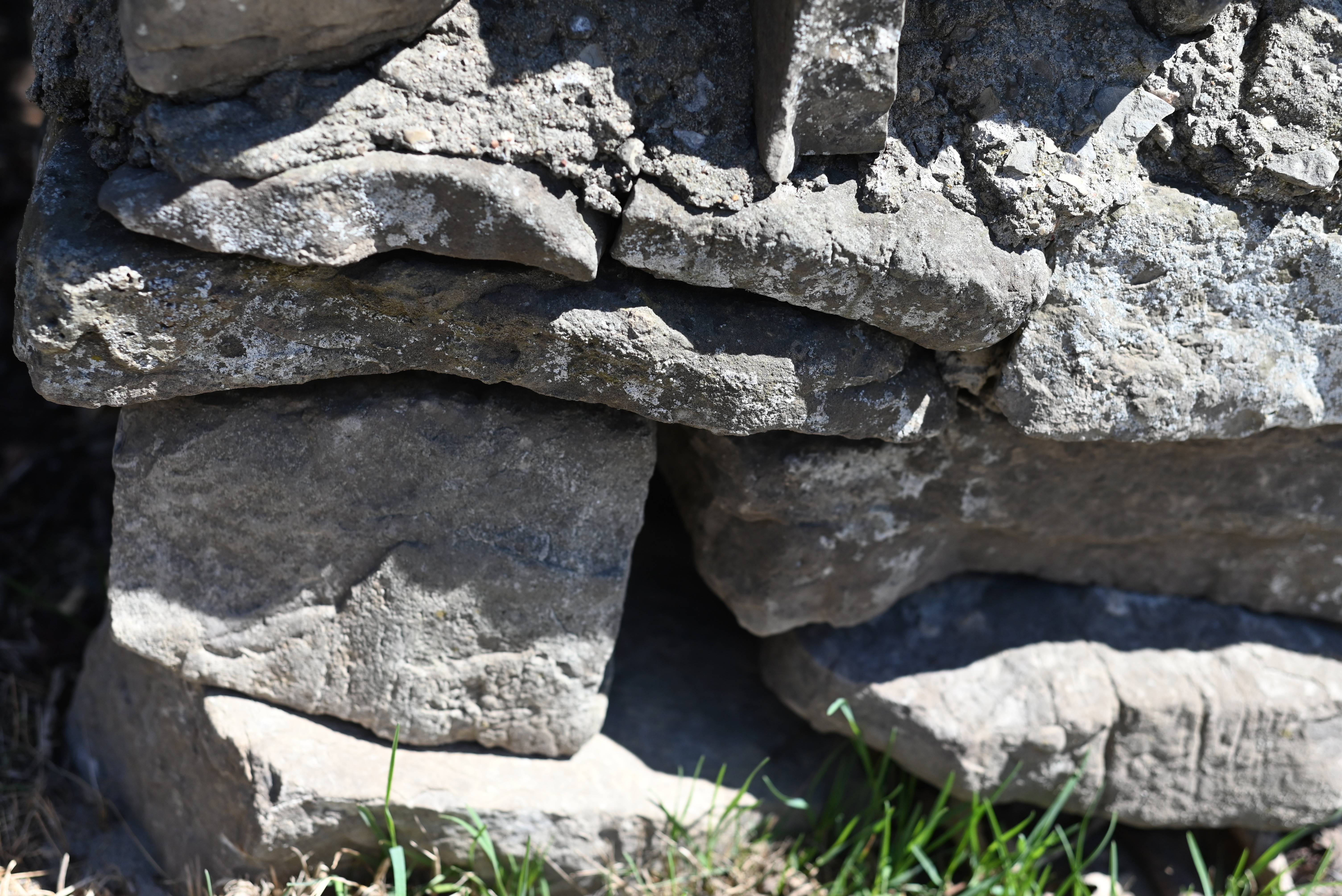
I also noticed something funny as construction has continued in our village. Many people go to collect some of the blasted rocks for their gardens, since they will be disposed of anyway. It’s led to a lot of creativity, with someone near us building their own stone wall and others planning on making a flagstone driveway. It’s a good way to reuse the stones. Our village is also a few hundreds of years old, so there is a lot of beautiful stone houses, buildings and walls.

As someone from Newfoundland, rocks have always been a big part of my life. Many of our beaches are rocky, and when I was a child, gravel was placed underneath playgrounds. We have to go to look at rocks for elementary school trips and admire rocks for their beauty. We have to respect rocks as well for their sharpness. When walking on cliffs near the ocean or swimming at rocky beaches we always need to be careful. It’s interesting to think that beneath all of the earth, flowers and buildings there lies another world made of stones and rocks.

We went on a walk the other day to avoid the blasting and came across a stonemason we know in the village. We told him about the blasting and he said we could come to his house if things became too noisy. We came over the next day and admired all of the stone work around his house. On the front there are walls made of disregarded limestone and bricks arranged in spirals. In the back there are piles of stones and two walls that he is building. We watched him cutting stone for a garden wall. Listening to him talk about the stones and their beauty gave me a new appreciation. Even though it is incredibly loud around our house these days, we can salvage some of the limestone for our garden.

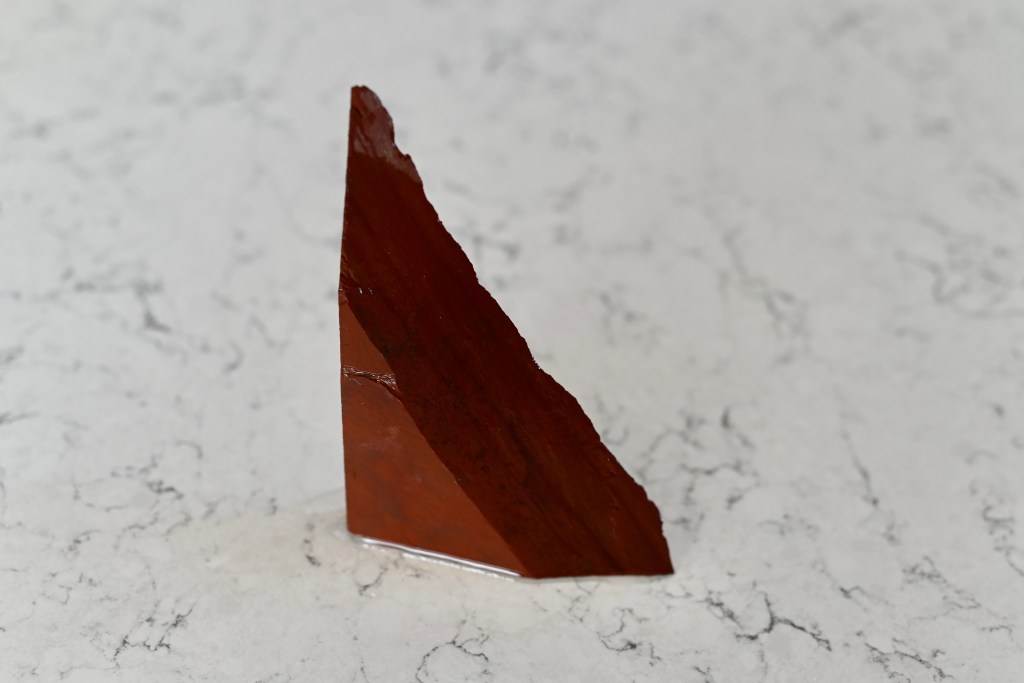
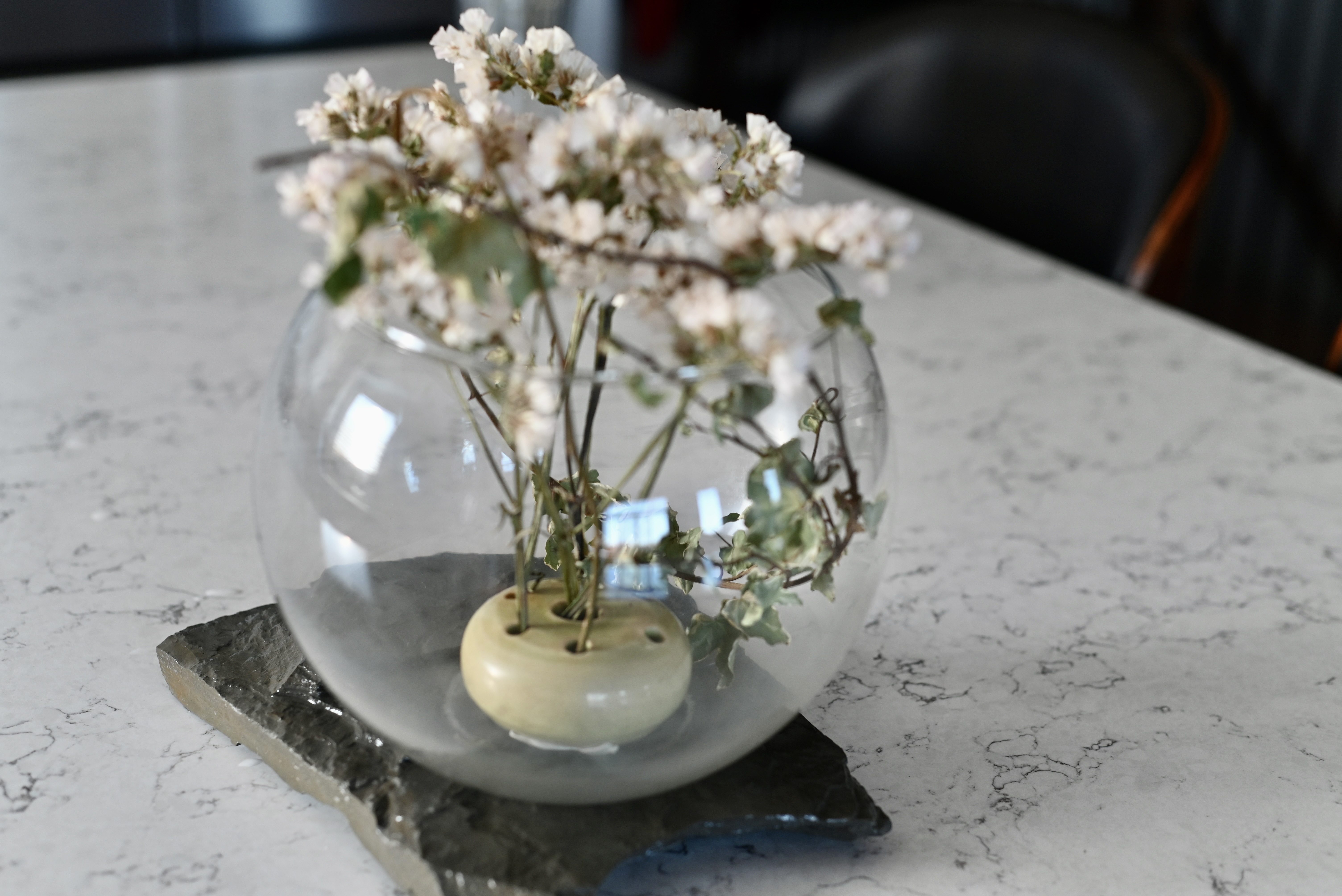
When I told him I was from Newfoundland he gave me some beautiful slate from Nova Scotia and Kentucky. I admired how different the stone appeared when wet and dry. I’m thankful to live in a place where my family and I can experience the kindness of those around us. We hope to return the favour.

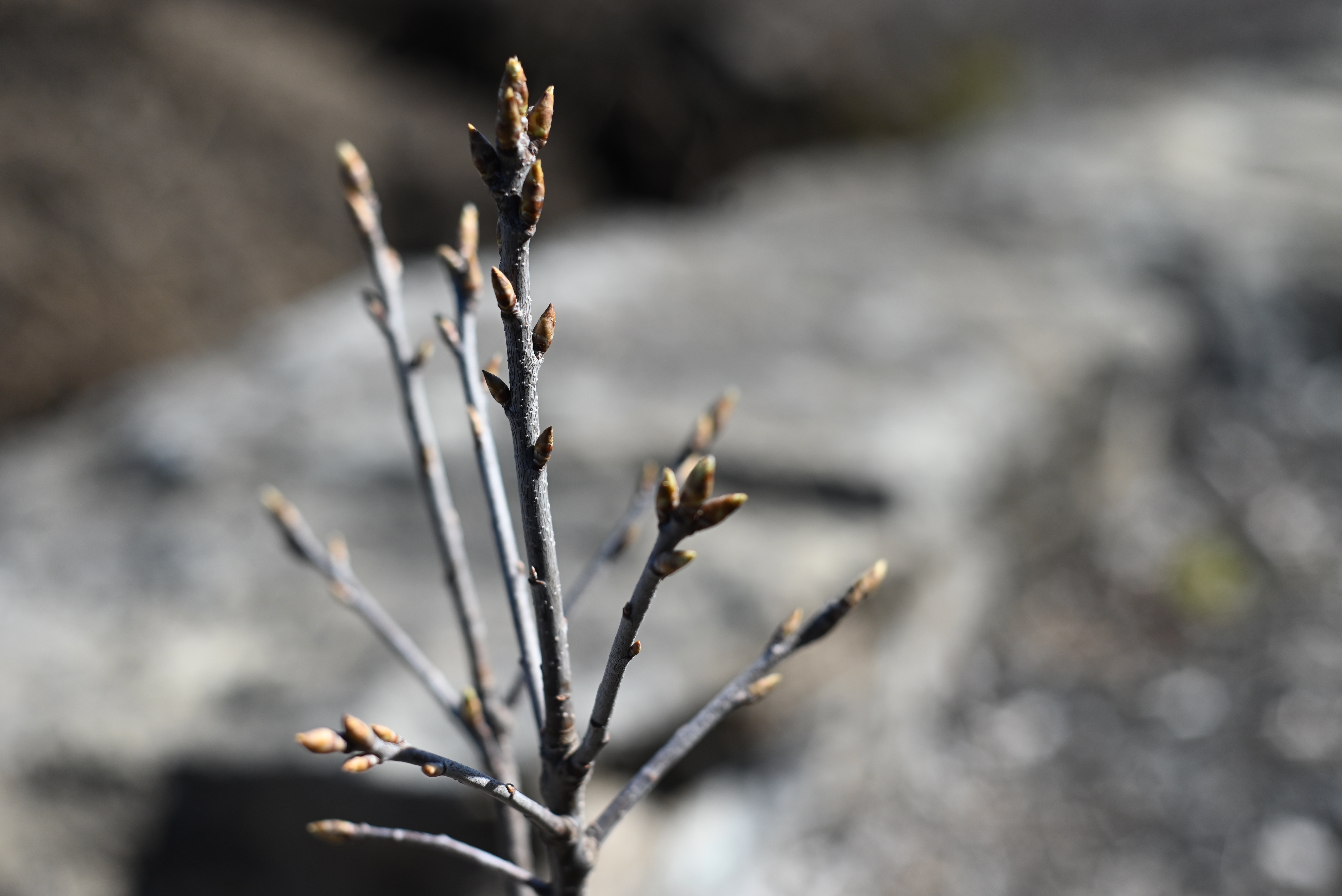
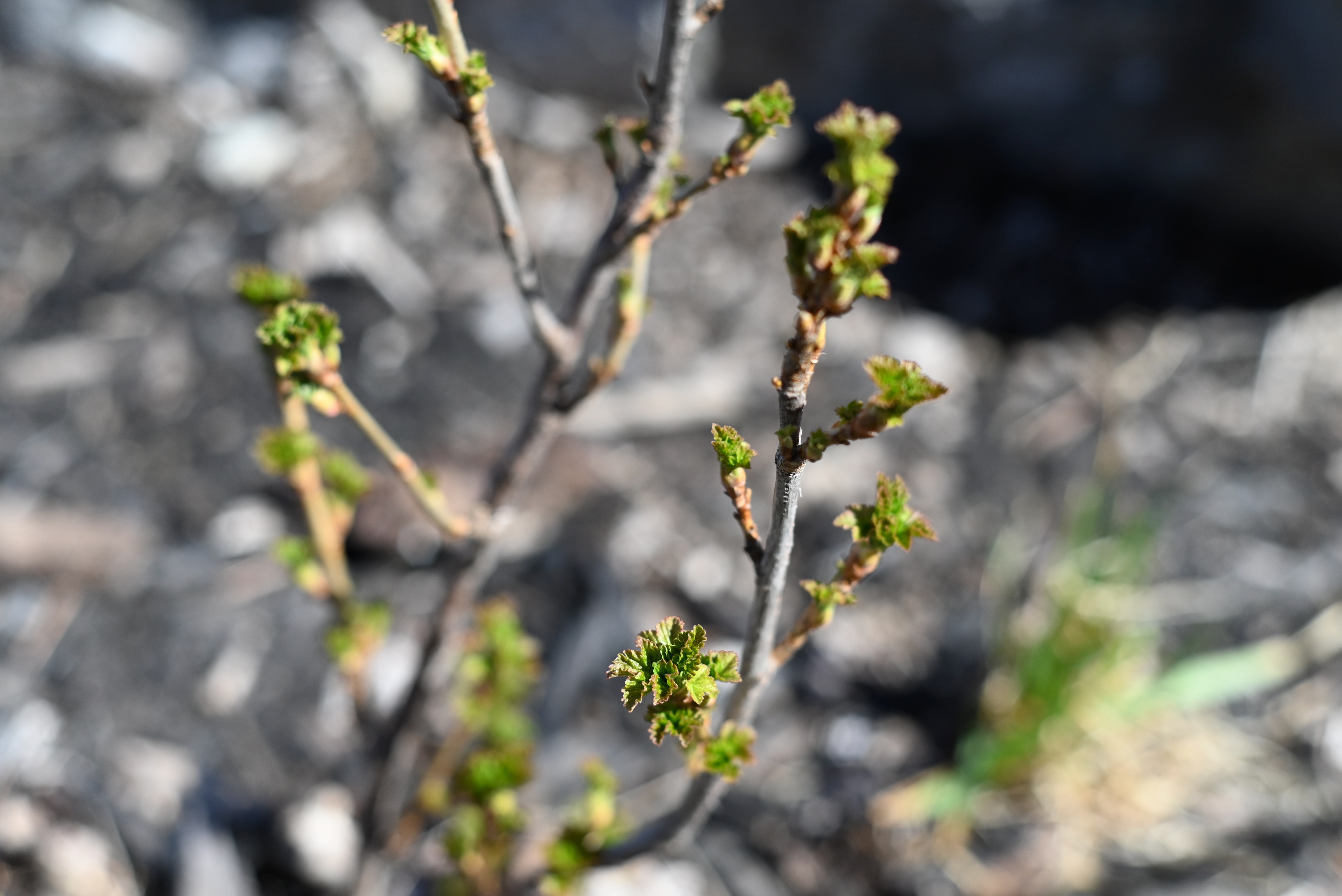
Due to construction, I haven’t had the opportunity to get into my garden much this week. However, I’ve been pleasantly surprised to see bursts of green around us. The lilies are starting to come up, our blackcurrant bush has full leaves and our basket willow is budding. Next week we’ll receive a shipment of trees and bushes that we’re excited to get planting.

In our naivety we made a bit of a mistake last year, deciding that we wanted to make a hedgerow for our garden instead of a hedge to focus on biodiversity. So behind our house we planted bushes and deciduous trees rather than conifers. This is good in the summer and autumn because there is berries for both us and pollinators. However it leaves little in the way of privacy. Birds also enjoy having a place to hide from predators, which we are sadly missing. Next weekend we will go to a tree sale at a conservation area in the hopes of picking up some spruce and cedar trees. We’ll see how it goes.

I suppose life is full of little compromises. We may have to deal with construction for the unforeseeable future, but we are very lucky to live in such a lovely village and to have the opportunity to grow a garden.

The resilience of house wrens.

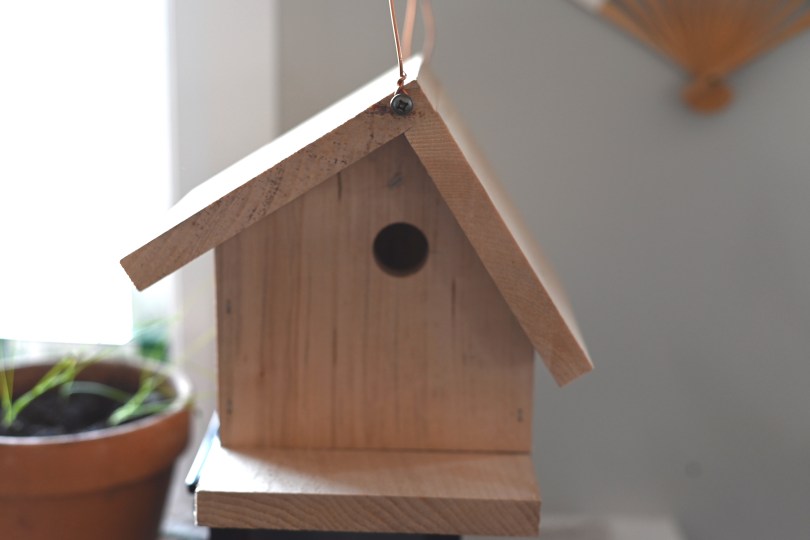
Last spring, when I was pregnant with my son we noticed that a house wren had taken up residence in our bird house. Everyday we saw the little bird bring sticks to the small hole of the house to build his nest with the goal of attracting a mate. From what we saw, almost every stick he brought he had trouble fitting into the hole. And yet, despite the sticks dropping, he continued. Day after day he brought more sticks until one day we saw a female coming to his nest. We watched them for a few more weeks and loved hearing them sing. However, for whatever reason they never decided to have their chicks in the bird house. We assumed it was because the male was never able to get any sticks into the house.

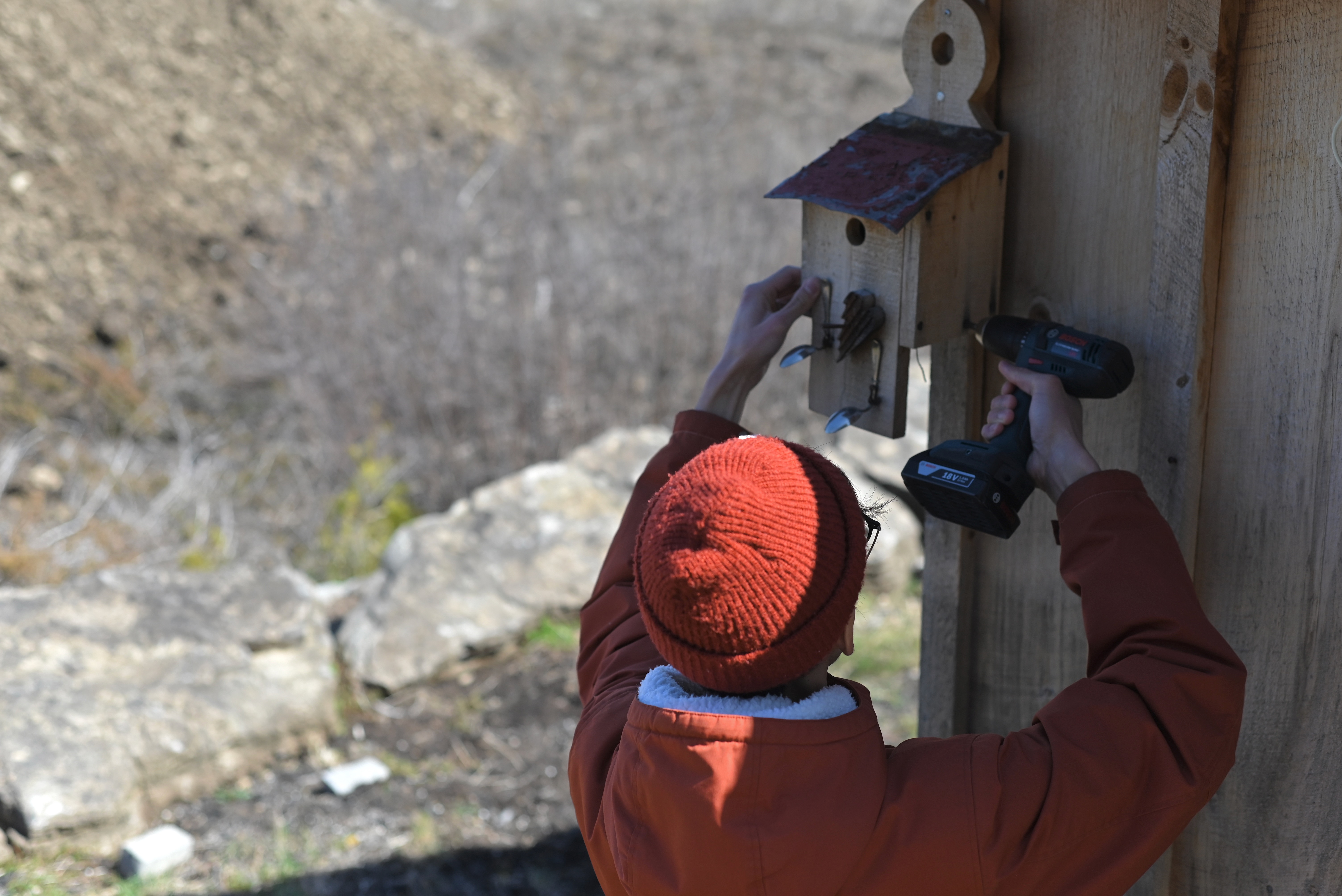
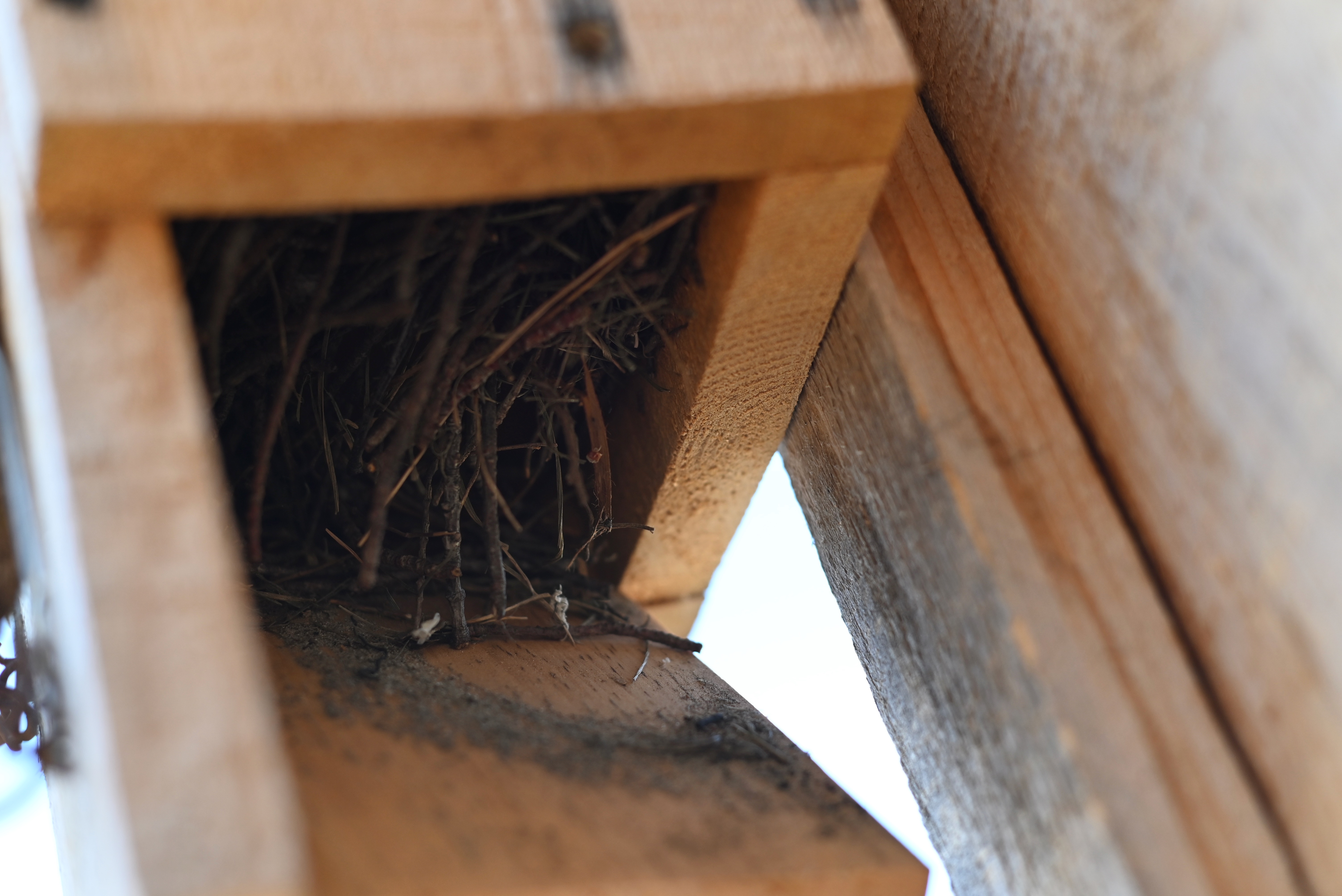
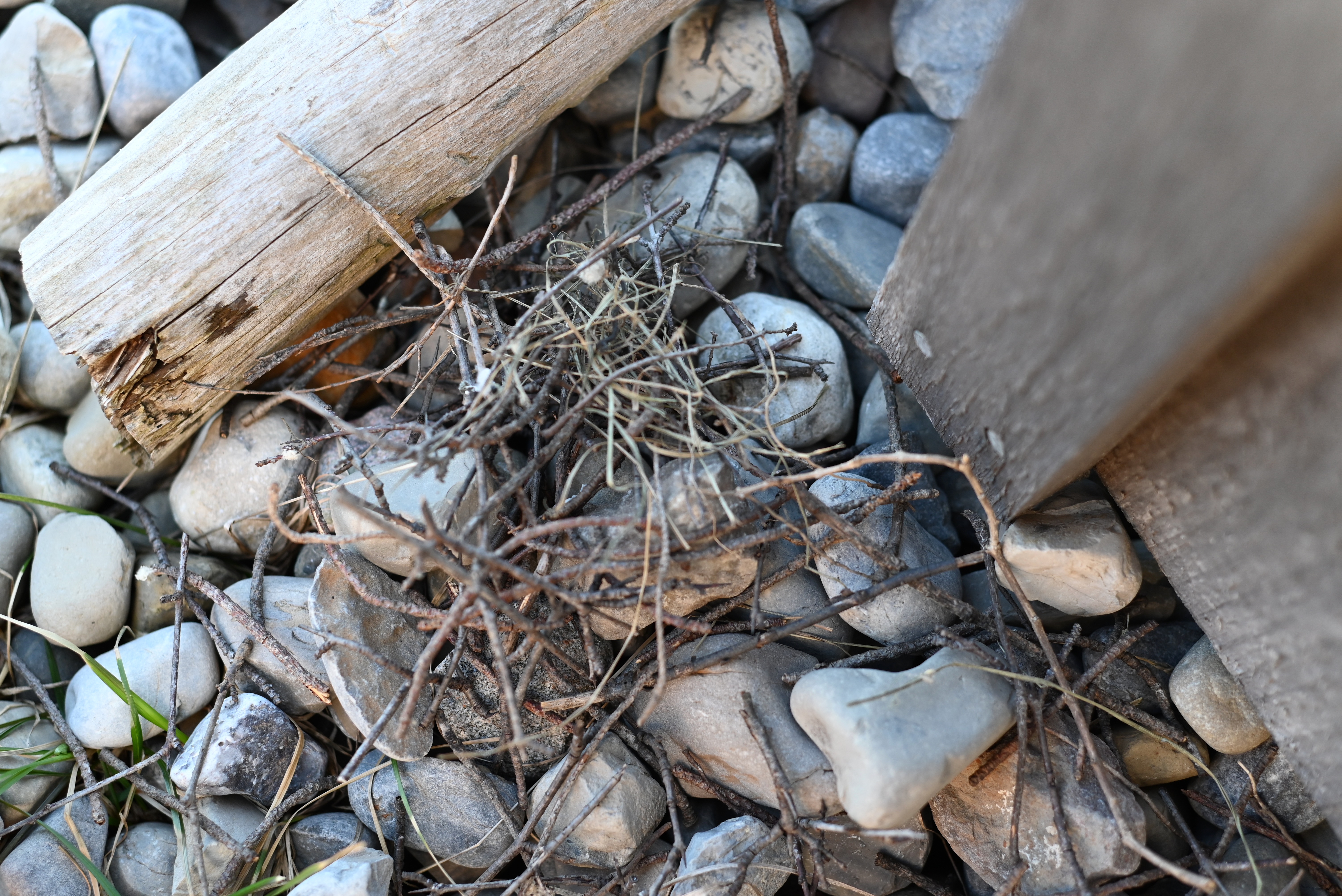
Last week I went to pick up a bat house I had made from someone nearby. The man I bought from is a nature enthusiast. His house is in the woods and the front is peppered with bird feeders of all sizes. When I told him about our wrens last year, he gave me a wren house that he made. He told me that it’s important to always clean out bird houses each spring, if not we risked not getting new residents that year. Hearing this I decided to clean out our bird house from last year. My husband unscrewed the bottom of the bird house and was surprised to see so many sticks within the house that none fell out! I cleaned out the house and couldn’t believe how much there was. Despite our thinking that the little bird was unable to get any sticks into the house, it appears he was quite successful! He was so determined to make the best house he could for his family that he persevered for weeks.

The endurance of the house wren reminds me a lot of how I feel as a first time parent. We’re on month four of having our little one in our lives and often I feel so tired that I’m convinced I can’t go on. But we do. His little laughs and smiles and the love he gives us makes all of the lack of sleep and endless cleaning worth it. And despite feeling like I’m down to my last sliver of energy, I go on. I imagine that the house wren was also tired spending hour after hour completing the repetitive task of bringing small sticks to put into a small hole. But he didn’t give up.

I’m not sure why they didn’t decide to make our house into their home last year, but I hope they come back this year and try again.

The determination and resilience of nature is amazing. I’ll continue to gather inspiration from other parents like house wrens as I work to build a home for my own little one.

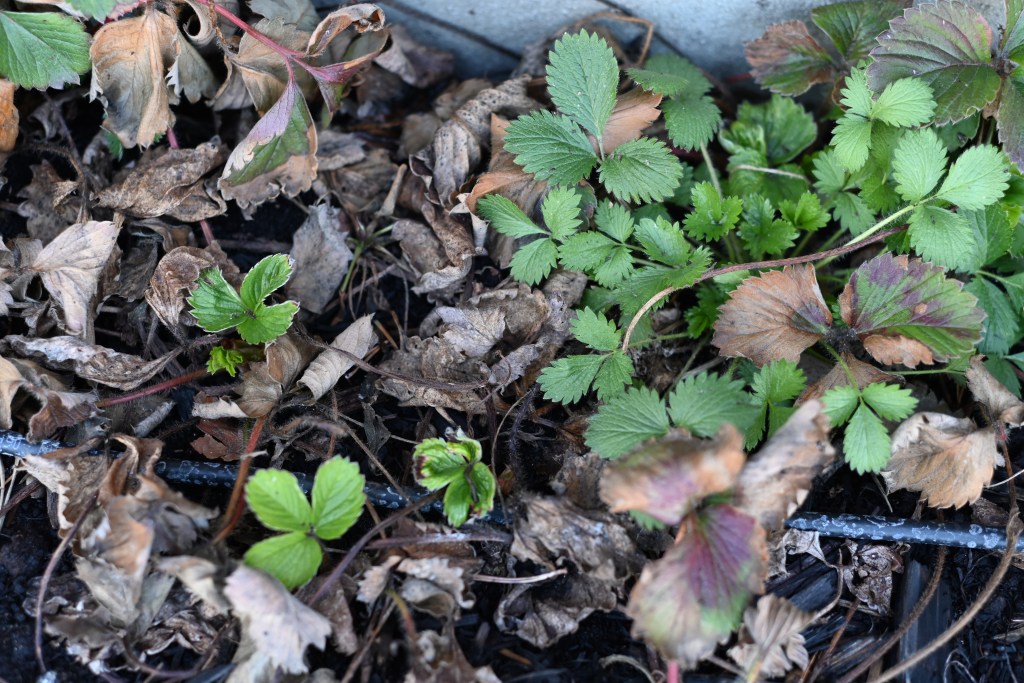
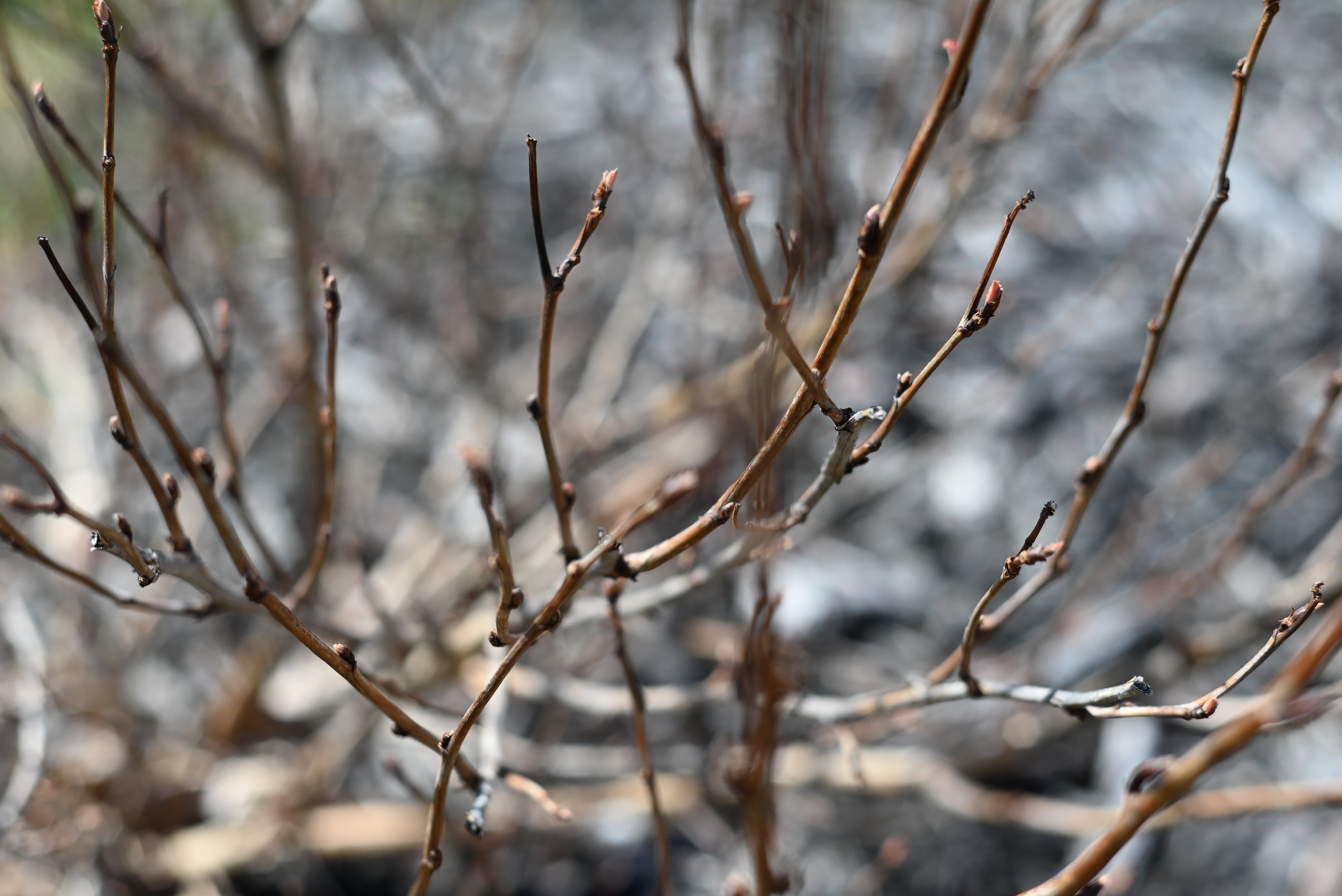
Speaking of determination – this week we saw buds appearing on trees and new leaves in our strawberry patch.

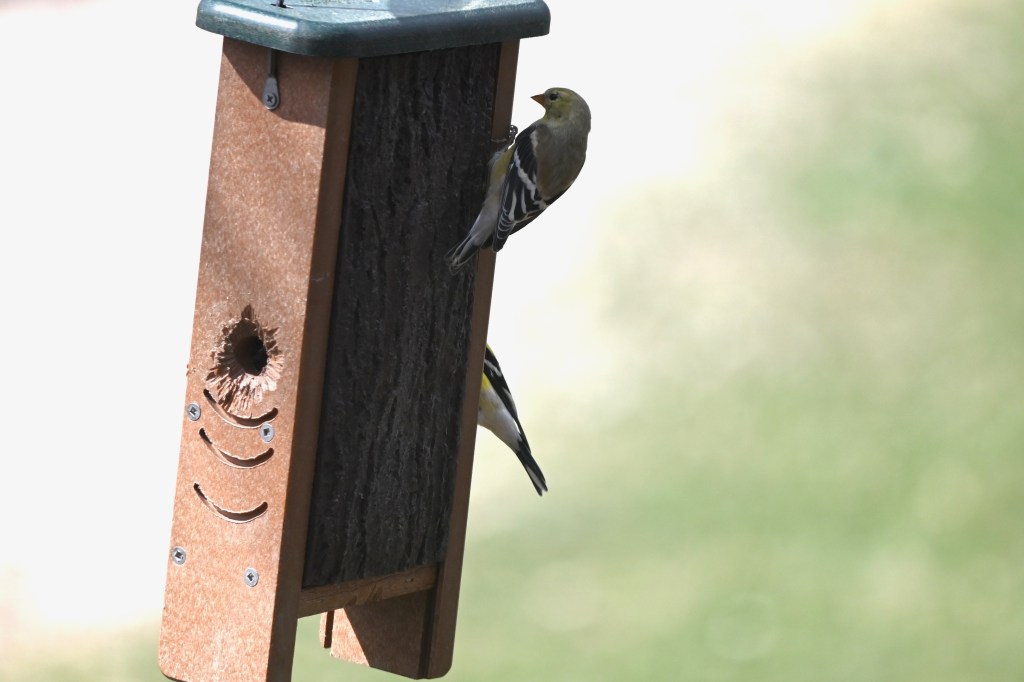
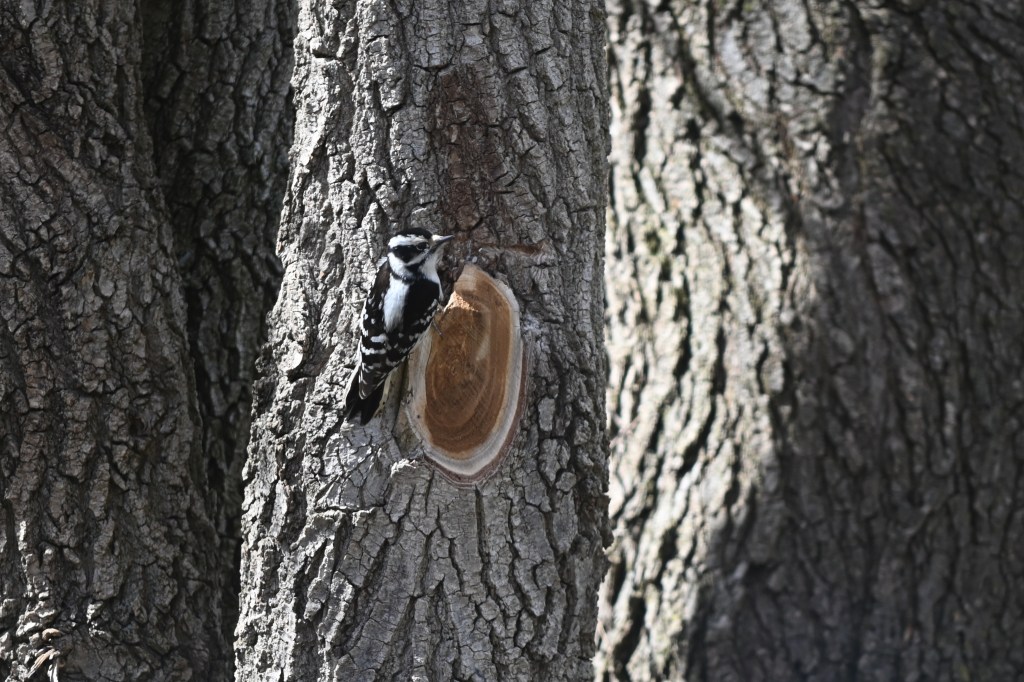
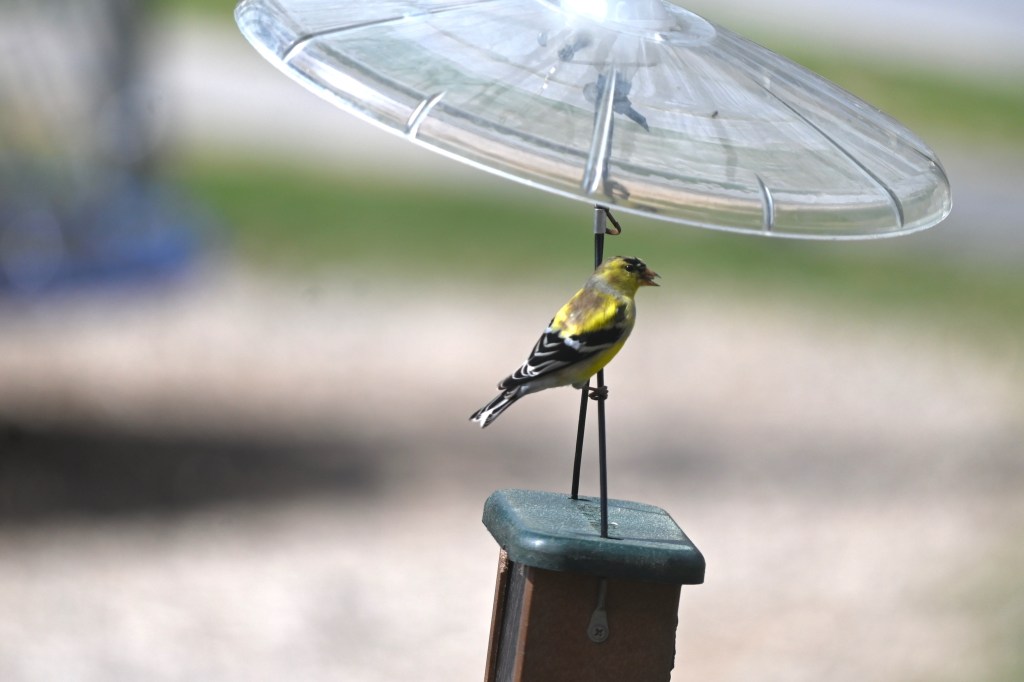
I also got some shots of birds when visiting Kingston over the weekend.

Until next time

Misadventures in backyard composting.

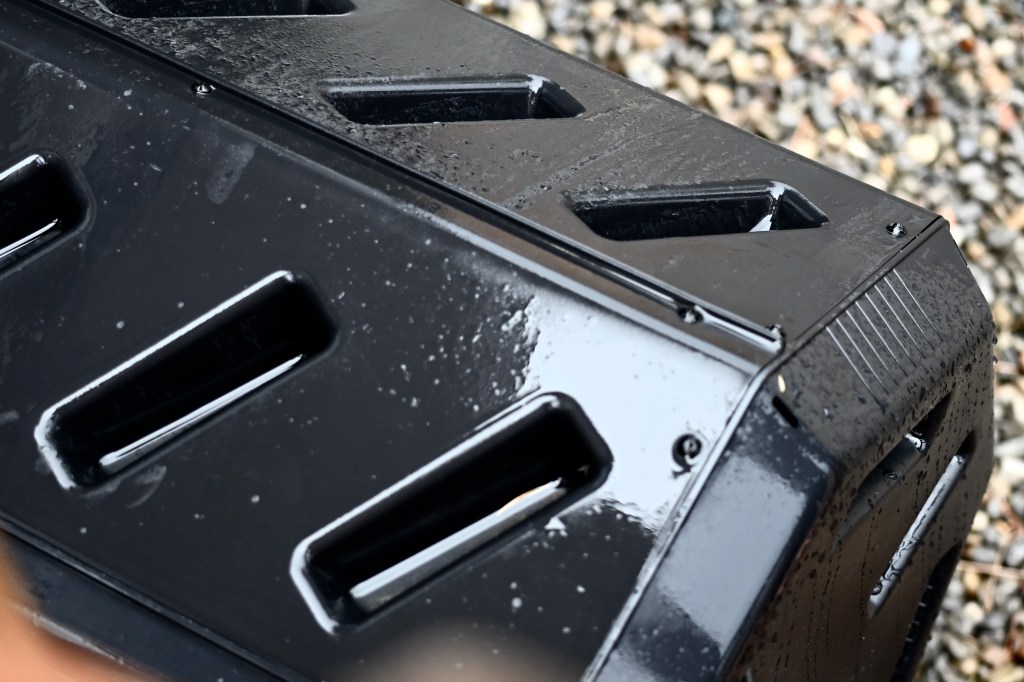
Last year, my husband and I had our first, and somewhat failure of an attempt of making compost from kitchen scraps. Despite all the things I love about living in this village, one thing that I find a bit unfortunate is that there is no program for collecting compostable waste. You can drop your compost and garden cuttings off at the local dump, but there isn’t a program specific to recycling kitchen scraps like Ottawa. After spending the last couple of years using Ottawa’s green bin program – and prior to that using Japan’s extensive recycling program, I couldn’t help but feel guilty about throwing our kitchen scraps into the trash. On that note, we decided to buy a backyard composter.

I remember growing up my parents had a compost machine in our backyard. It was a black cone like structure that opened on the top, where you would add new scraps whenever you had them. The bottom of the pile gradually became compost that you could use in the garden. Rather than using that method, we decided to buy a rotating compost machine from Lee Valley. The idea is that you put your organic waste into one vessel and then once it fills up, start using the other vessel. You wait for the first vessel to age, rotate it now and then, and voila! compost! Or that is how it should have gone. To start, we looked up the different things you can and cannot put into a composter. For example, you’re not to put animal byproducts such as dairy or meat – or else you can attract some unwanted critters. Onions and garlic take a longer time to compost so are for the more advanced composters. Things such as bananas are good for adding potassium, etc. While we were optimistic about composting, we were also distracted with my pregnancy, and what started as a project with good intentions turned into throwing multiple ears of corn into both sides of the compost machine. We also naively threw in so-called ‘compostable’ bags. As the summer days went on, and my fatigue increased, the composter became a smelly neglected box that attracted flies. So it goes.

And yet, we are undeterred! This year we have decided to start again. On a sunny afternoon last week, during one of my son’s naps, we took a hesitant (and slightly terrified) peak into the composter. My husband kindly reached in and pulled all of the contents out. What we found was that many of our vegetable scraps like carrots and radish peels had dissolved into humus (success!). That being said, the corn stalks remained pretty much intact and the “compostable” bags were also very much still there. Tricked again by green-washing. Unfortunately I do not have any photos.

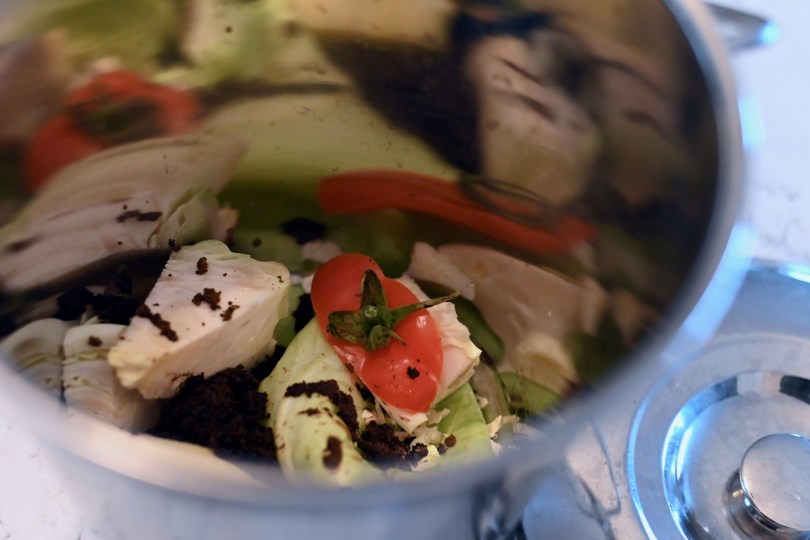
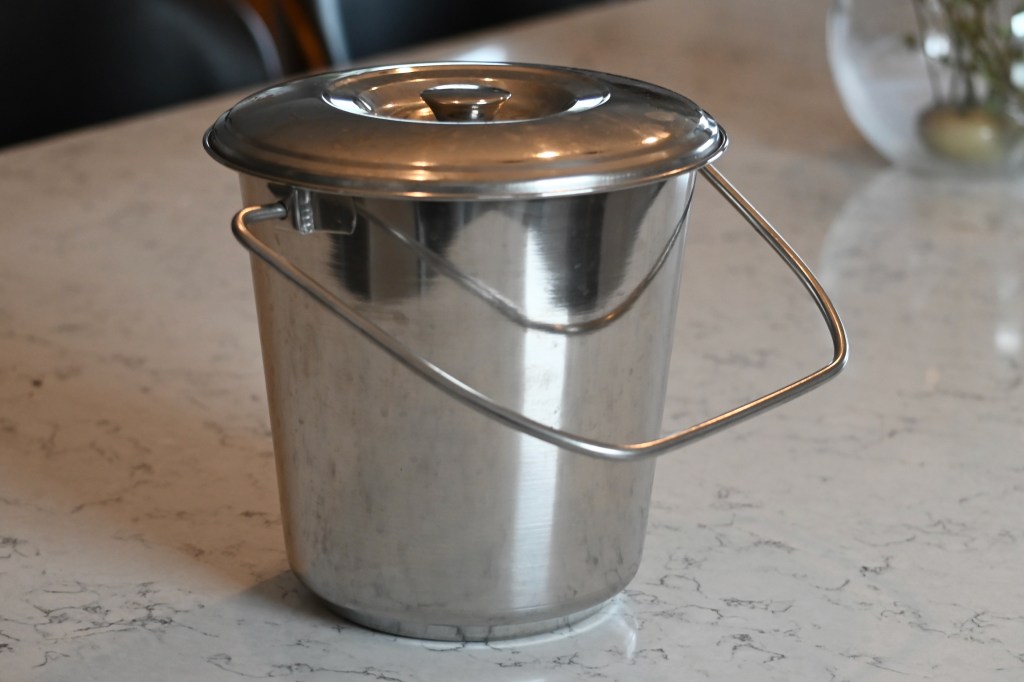
In order to start a new, we have decided to try out a revised list of things we’ll put into our compost. We also switched to using a steel bucket, without any devious plastic bags. We’re no longer going to add garden scraps like twigs or sticks to the compost. We’re going to focus on adding things like peelings from root vegetables, ground coffee, tea leaves, and fruits. I’ll check back in on our progress in a couple of months.

One thing I’m curious about – and considering – is whether it would be beneficial to add worms to our composter to speed up the process. I’ve seen this done for miniature composters in apartment buildings but wondering if the box would be too hot in the sun for them. If you know, please comment and let me know!

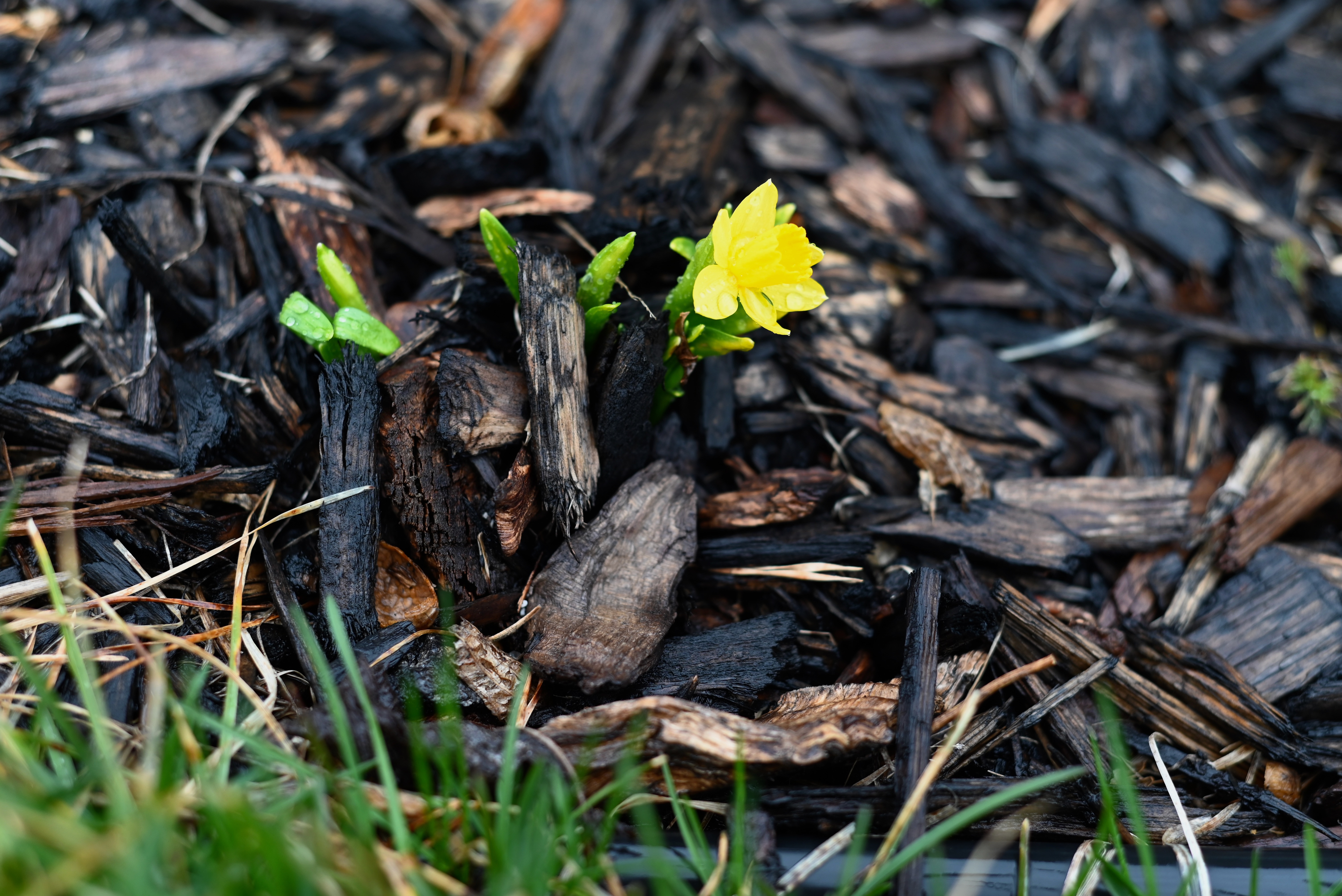
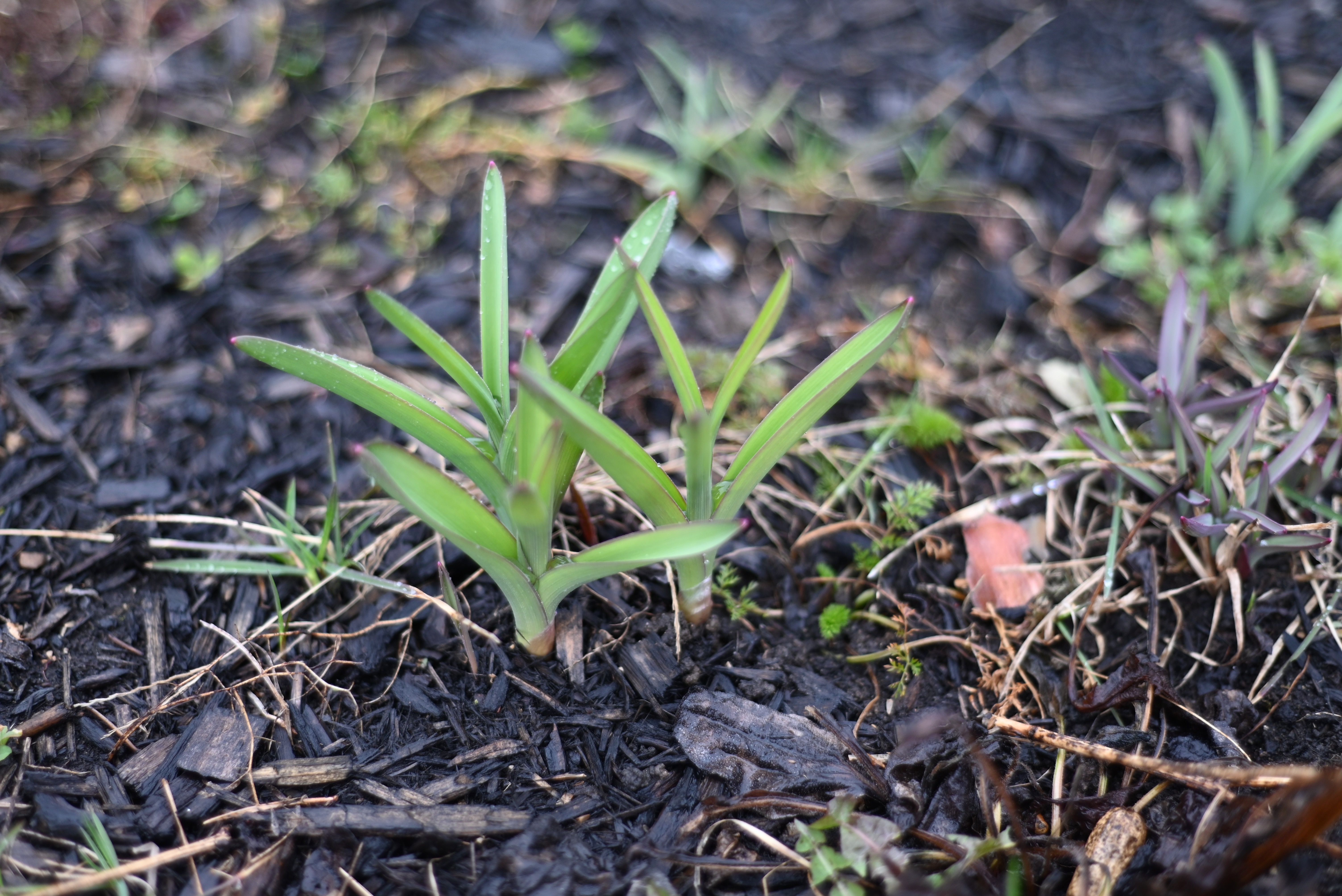
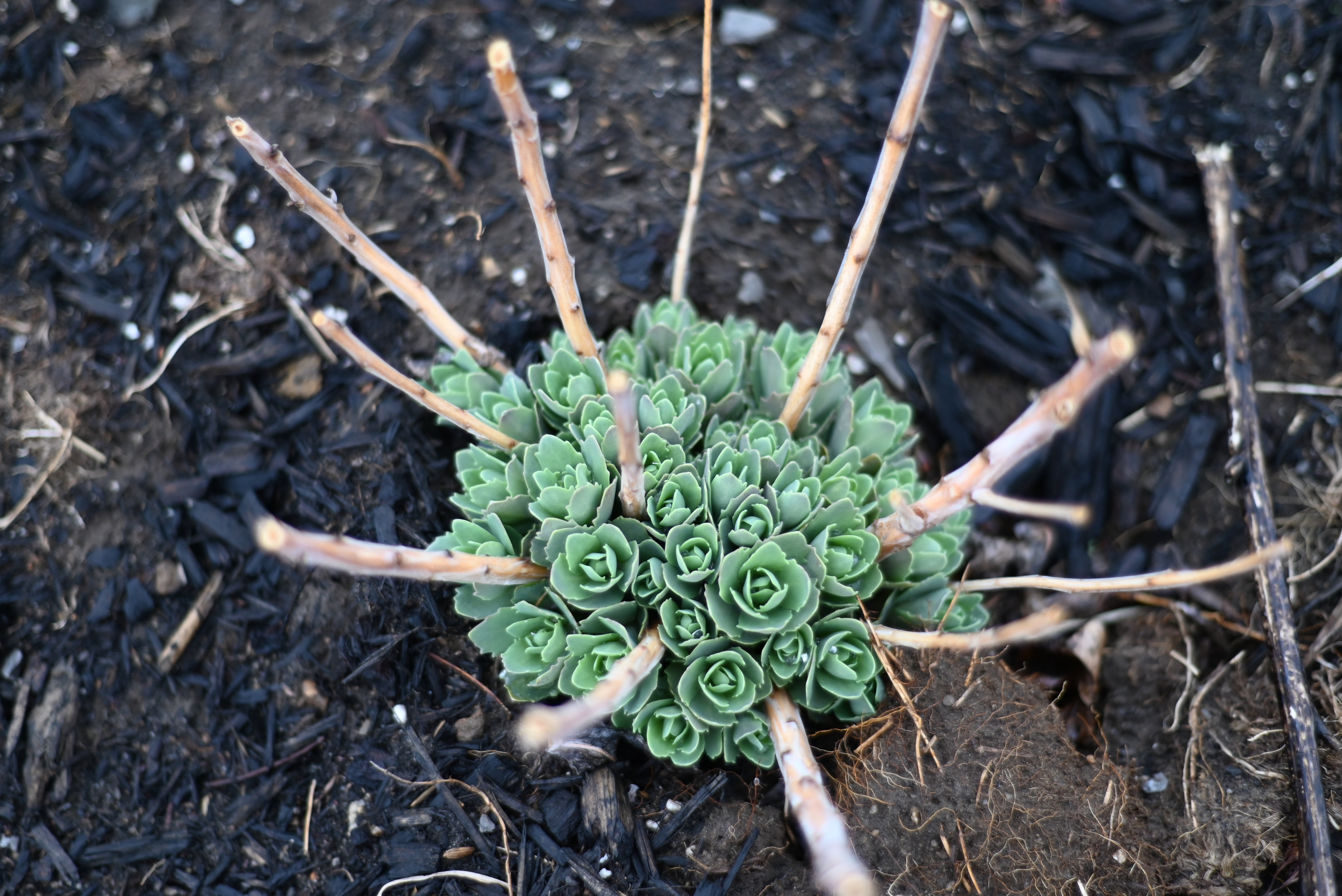
As an aside – the daffodils are starting to bloom in the garden. Leaves are starting to bud on our trees. And finally the irises and sedum are popping up! I’ll likely make another post next week.