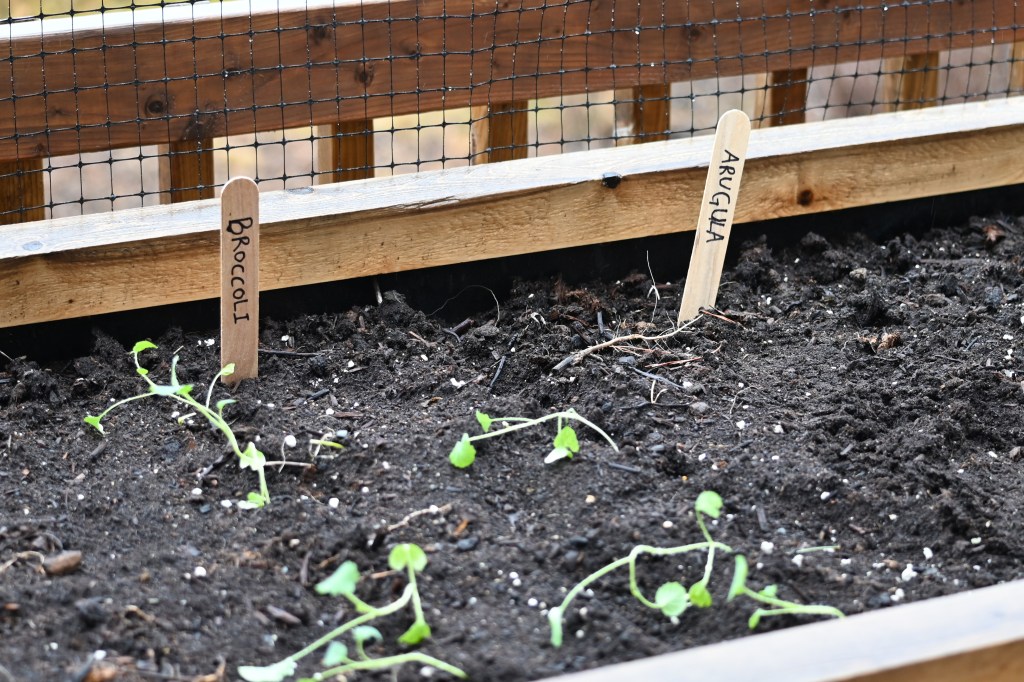
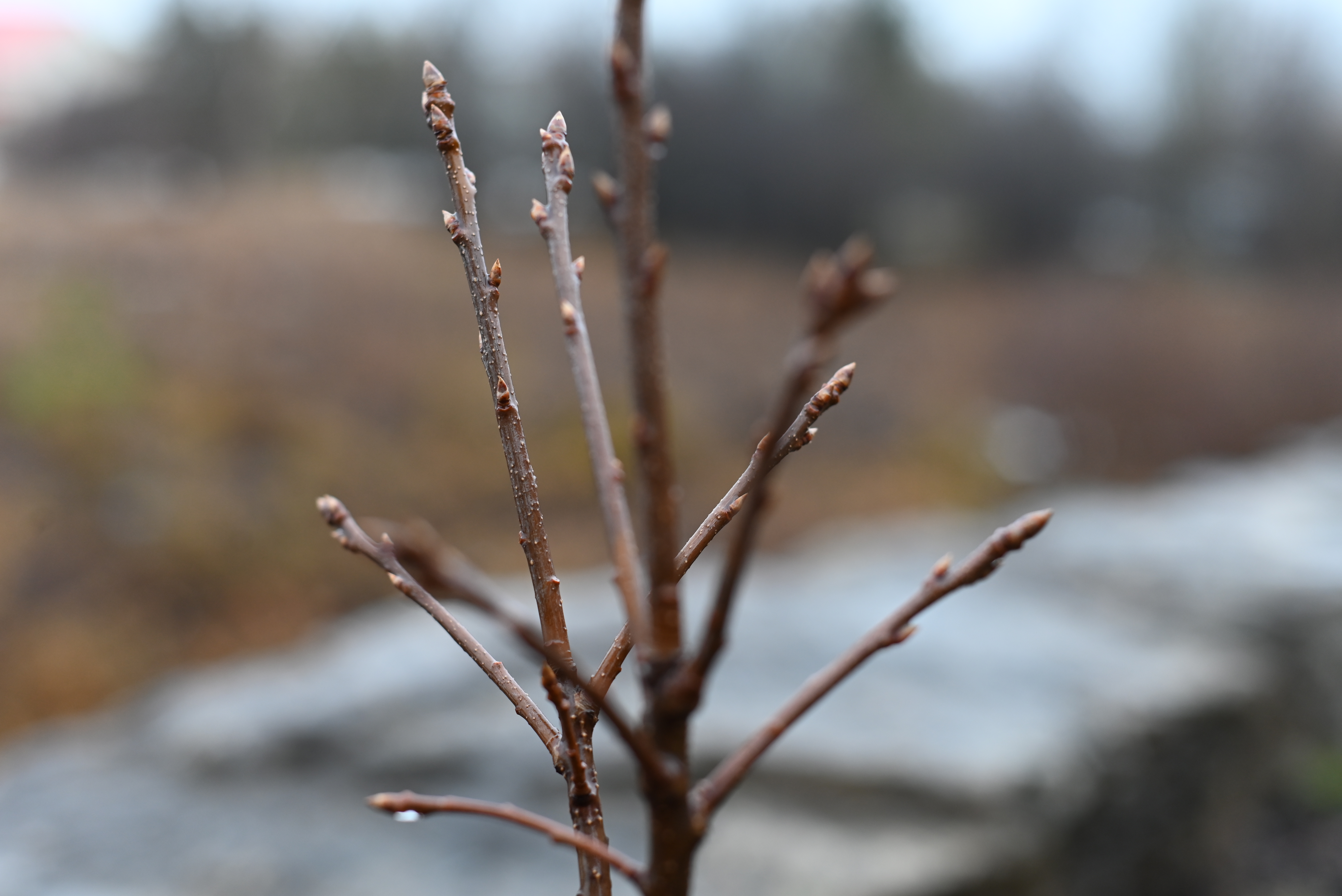
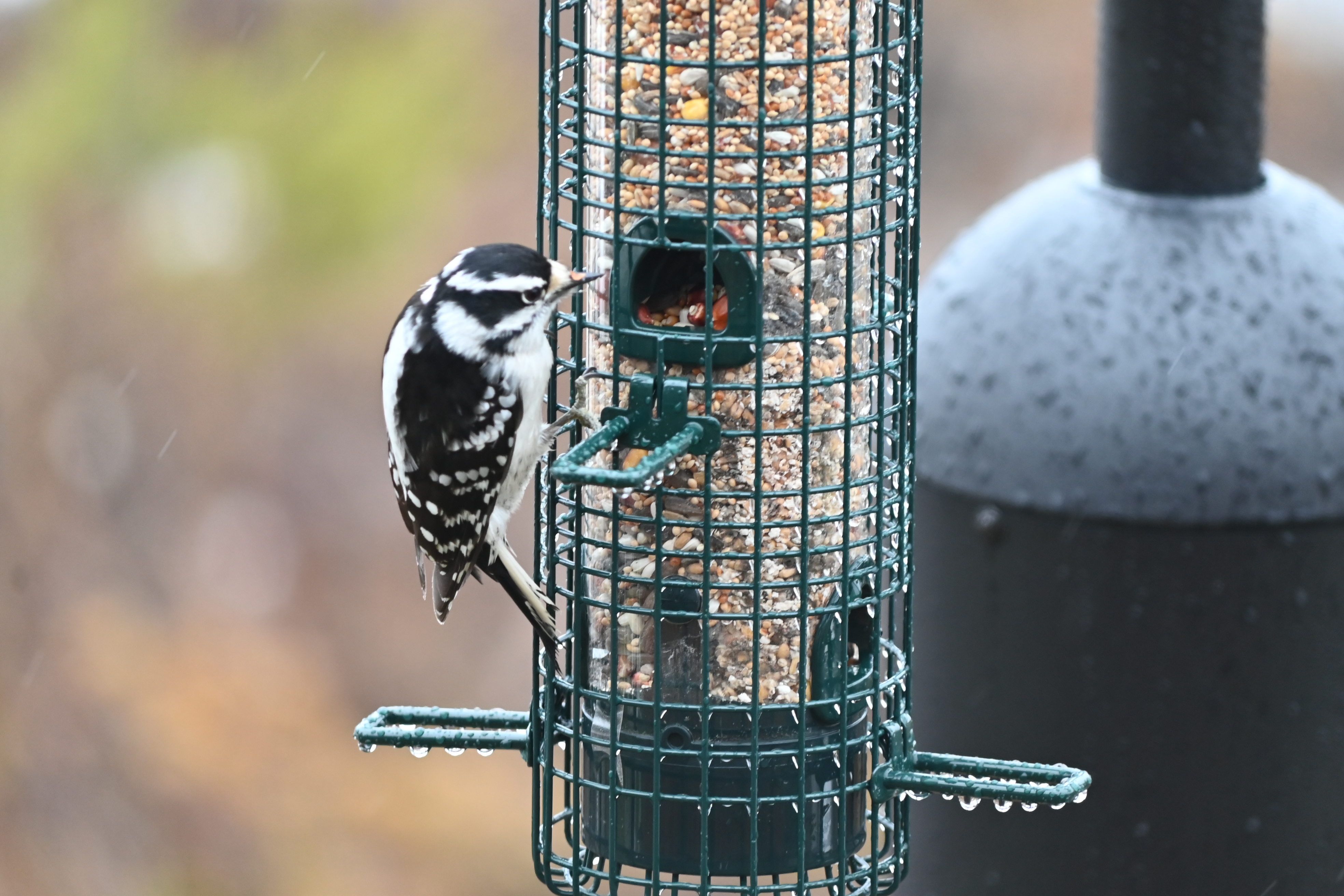
Between walks, gardening, child care, and other activities I have hardly found the time to update this blog! I’ll do a short post this time and focus on photos. In the first week of April I had the opportunity to get outside a lot more. I planted some cold hardy vegetables outside like broccoli and finally had the opportunity to do some bird watching.
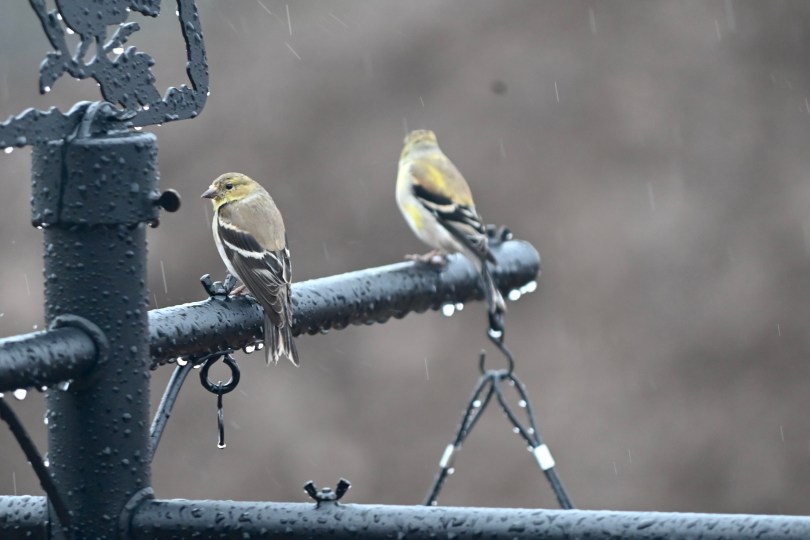
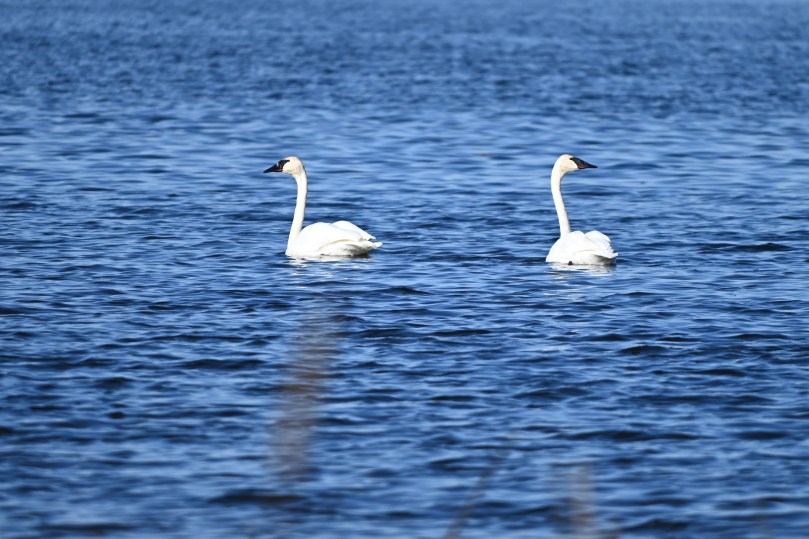
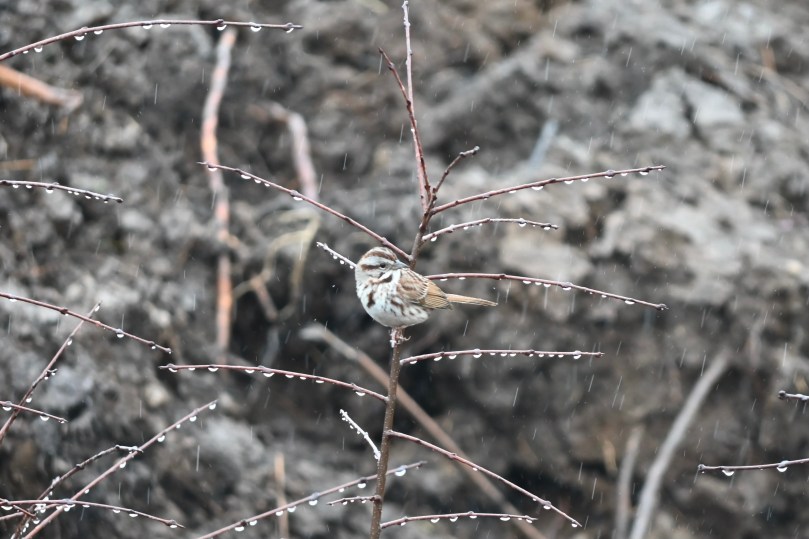
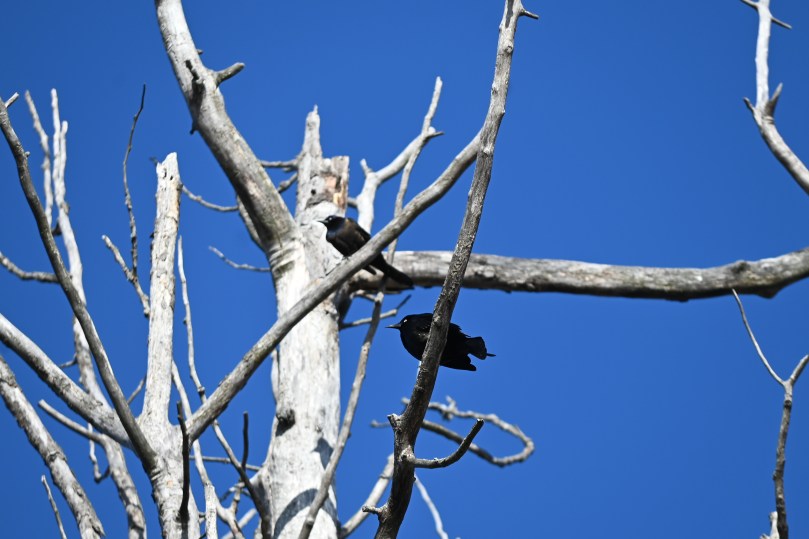
I was amazed to see that the American Goldfinch are starting to change from their muted browns in the winter to the brilliant yellow of the summer. I saw trumpeter swans in the village for the first time, as well as kill deer and osprey. I also was happy to see the return of the song sparrow and some grackles as well.
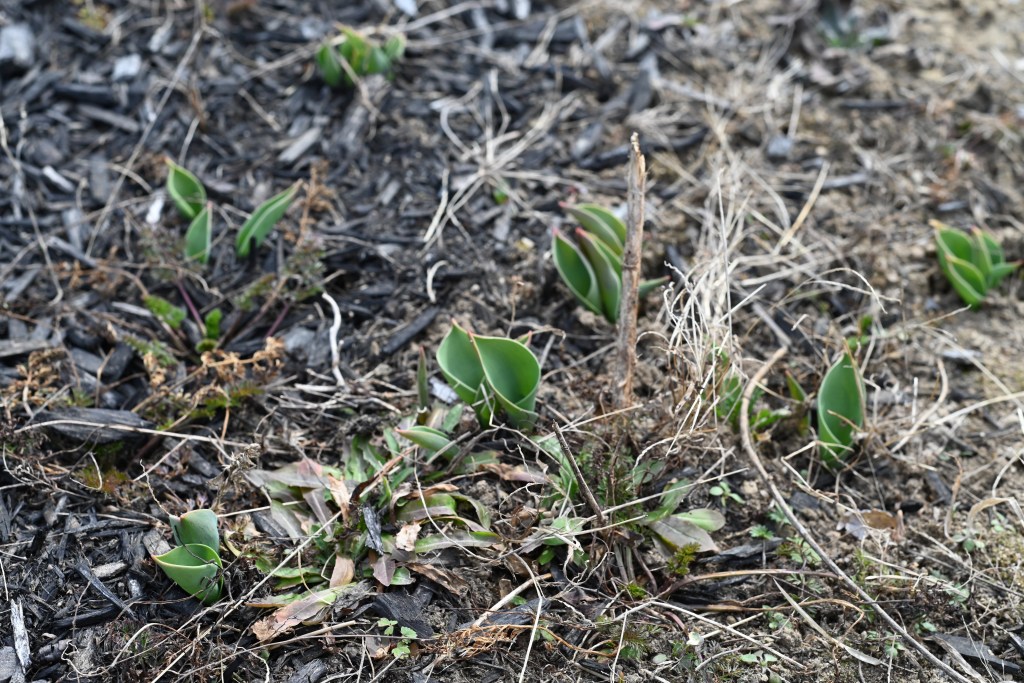
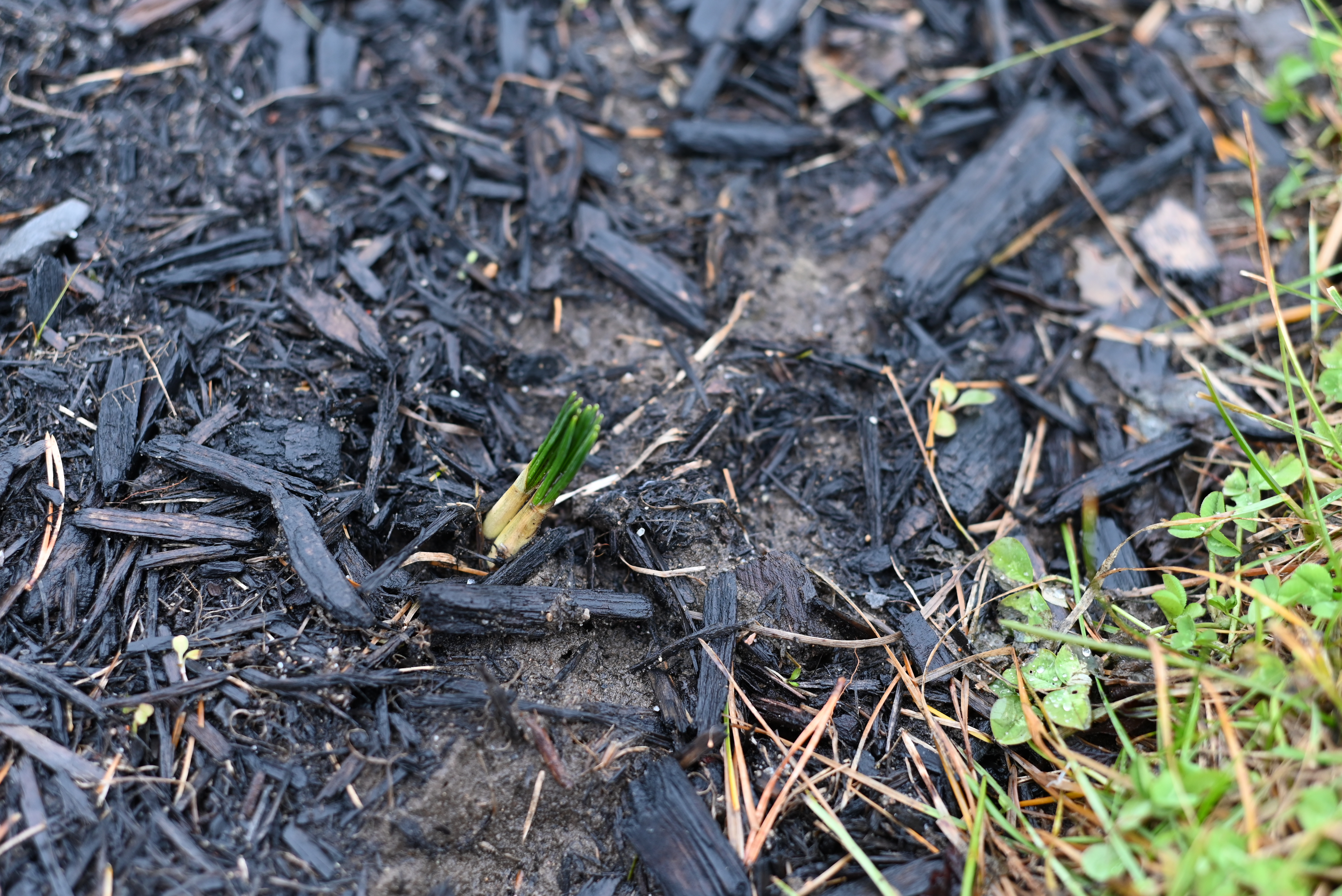
The crocuses in our garden began to bloom! Tulips, and daffodils began to make an appearance.
Cool rainy days provided an opportunity to transplant broccoli seedlings. I also planted arugula and spinach directly, however, I’m not sure how successful they will be!
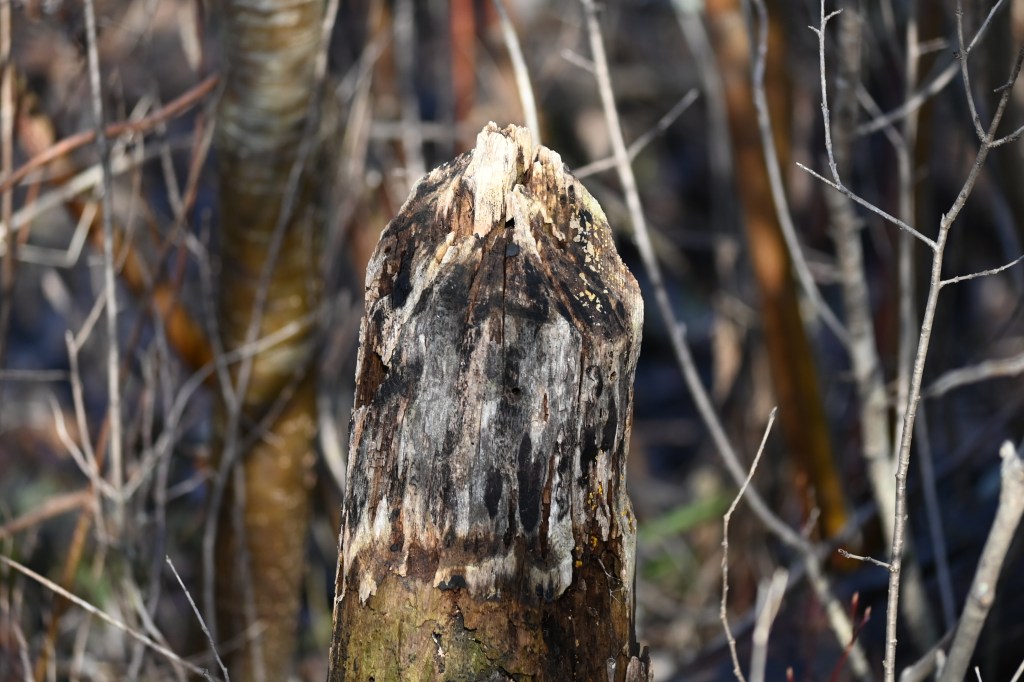
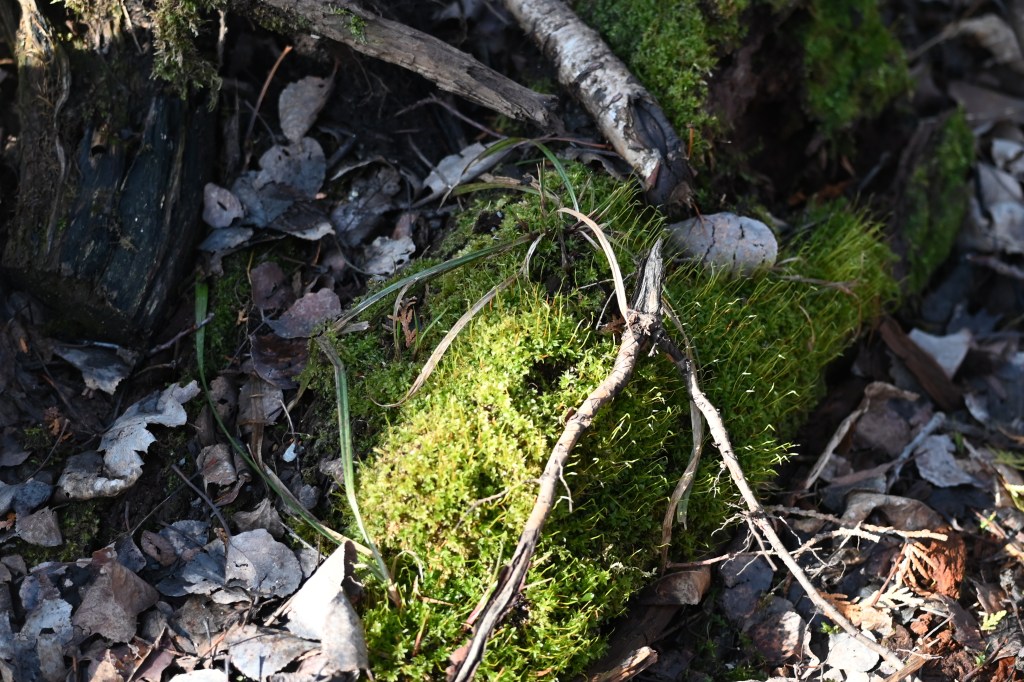
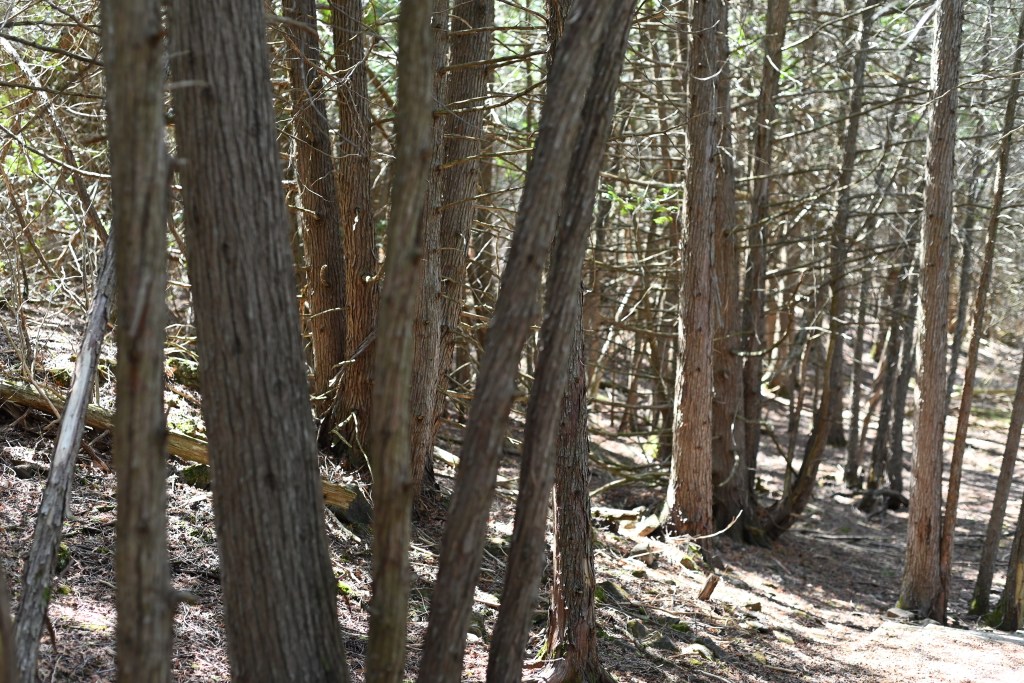
Finally, I was incredibly happy to return to the forest. Being in the forest or by the ocean are the places I feel the most at peace. I missed being there. They created a new trail in the village near the wild bird sanctuary. By walking slowly I was able to notice the different species of moss and trees marked by the gnawing teeth of beavers.
Overall, it was a good week. This week I hope to get outside a bit more. I’m also going to be heading to Kingston over the weekend so I should be able to get some more interesting photos over there.
It’s hard to believe that it’s been a year since I last posted on this! I always have the ambition to start something like a blog, and then life gets in the way. In the case of this past year, I found out I was pregnant at the end of February. Now it’s been over a year since we moved to the country, and our family of three has expanded to a family of four.
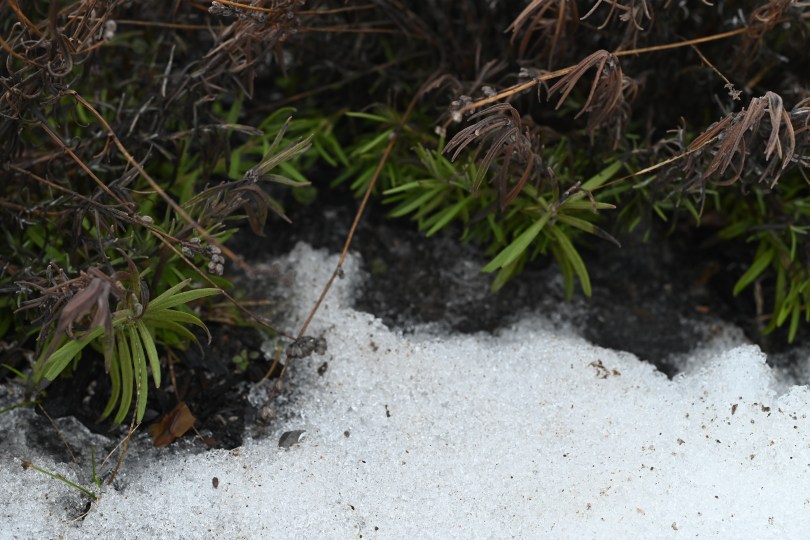
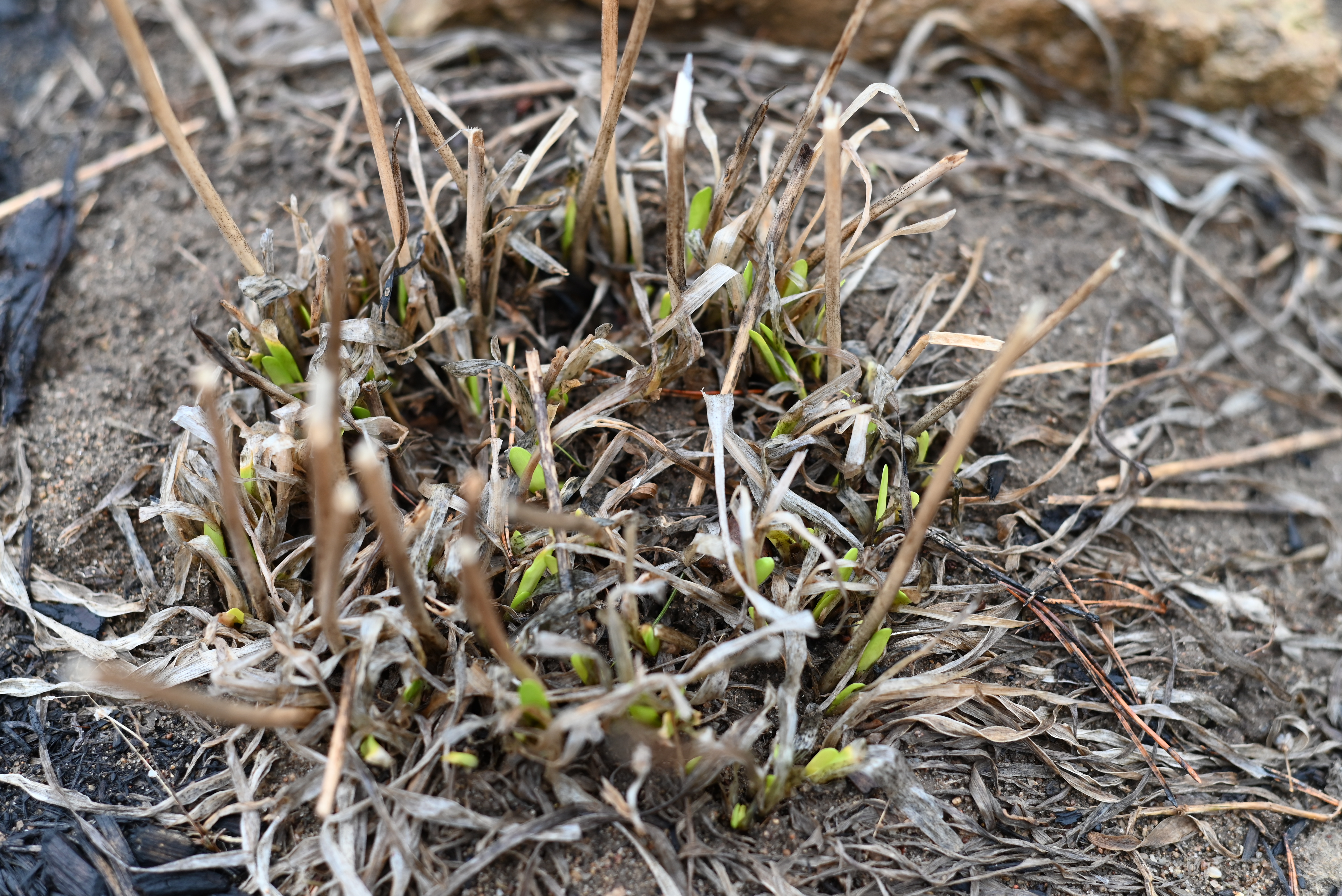
My son has just turned three months, and I feel like I’m finally getting my footing again after a major life transformation. I find it oddly appropriate that I’m becoming comfortable with my new self just as spring has begun in the village. The winter this year felt particularly long, with weeks of minus 20 degrees and sleepless nights. In the past couple of weeks, just as my son has begun to smile, we have started to see glimpses of spring. This week I walked in my garden and peaked below the rotten leaves of the brown eyed susans and the mulch above our strawberries to discover the sprouting of new leaves. The goldfinch have returned and on my morning walks I see massive flocks of Canada geese honking above me. Spring is lovely, isn’t it?
The pandemic also seems to be subsiding a bit, and life in the village is coming back to how it used to be (or so I hear). We’re enjoying meeting more of the people who live here and going to the local fairs and pancake breakfasts. After the isolating months this winter, and really, throughout the pandemic more generally I had forgotten how nice it is to be around people, and have been incredibly touched by the kindness of others.
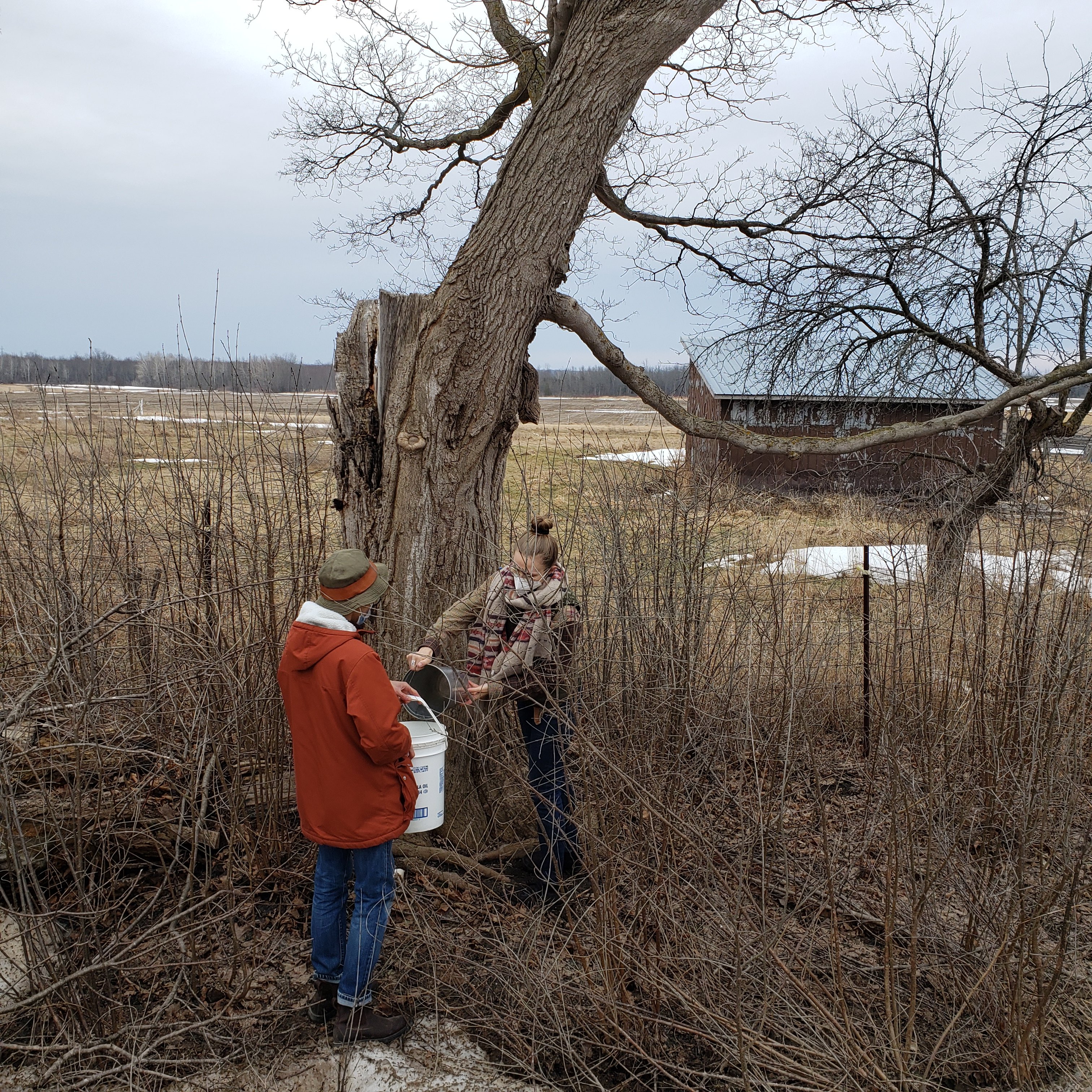
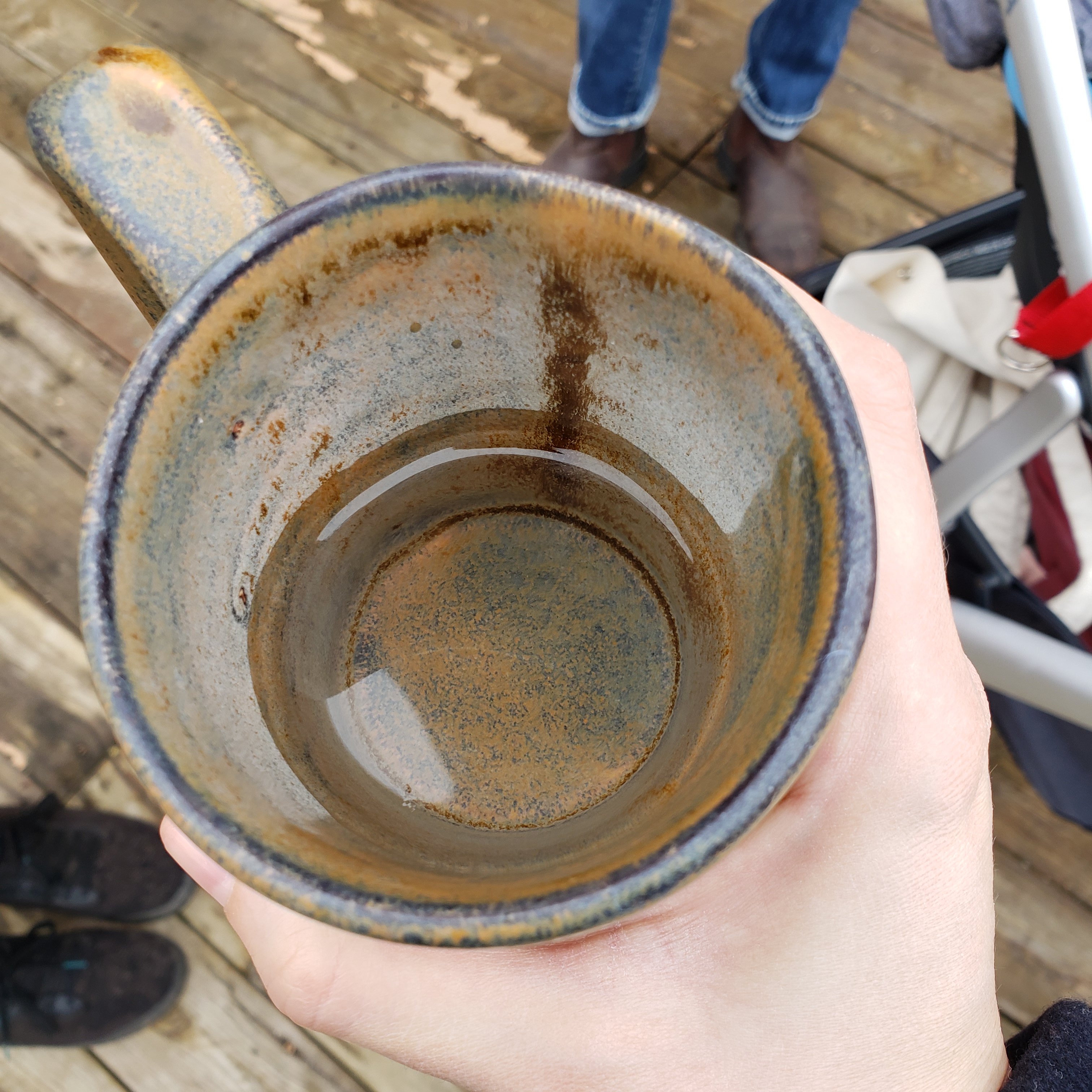
Last week we visited my friend’s farm when she invited us to come see how her family was producing maple syrup. We went from tree to tree and collected the sweet sap from buckets. Afterwards, she offered us some of the sap to drink from a mug, and offered us some maple pecan pie she made using her maple syrup. When we were collecting the sap she was telling us the importance of the freezing temperatures at night in producing the maple syrup. While I struggled with the cold this year, and having to stay inside, experiencing the marvel that is maple syrup made it feel a bit more worth it. The winters might be long and brutal where we live, but the springs are sweet.
This year we look forward to expanding on our garden. The space we have is limited compared to many in this rural area, but it’s a lot more than we’ve ever had before. Last year we were amazed by the amount of time it took to take care of the land we have. We worked on planting a lot of perennials, built some new beds, and planted some trees. This year we’ll continue to plant more perennials and trees. We’re also hoping to make some new raised garden beds.
I also have recently taken up bread making, I’ll make another post about that when I have the chance.
Earlier this year, during the summer, my husband and I went to a farmer’s market outside of Ottawa. Come to think of it, it’s the only time we’ve been to a farmer’s market since the pandemic started. It was surreal lining up outside of the market wearing masks and waiting for hand sanitizer. At that time, wearing masks was still becoming a social norm and I felt a bit self-conscious. We did a loop around the market, picked up a braid of summer garlic, and some ears of peaches & cream corn.
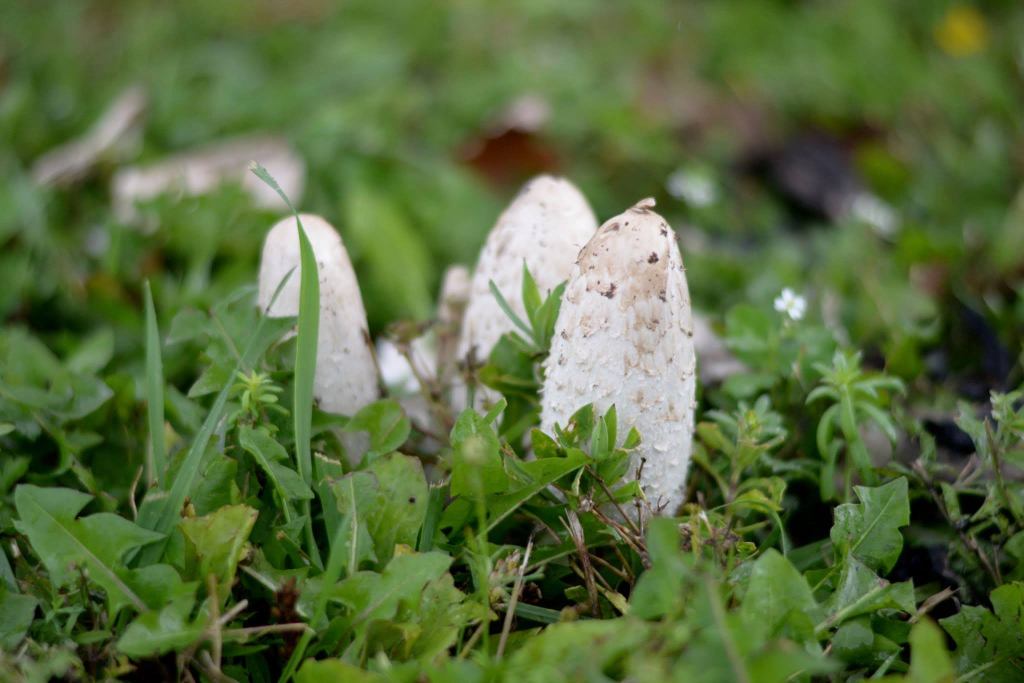
While we were getting ready to leave, a farmer selling mushrooms caught my eye. We stopped to talk to him, he told us about the different mushroom varieties he grew and how he had taken a course on how to forage and grow mushrooms in the Kingston area. I was enamoured. I’ve always loved mushrooms. As a teenager I often went to the forest, camera in hand, taking macro shots of fungi. I’ve never been brave enough to forage mushrooms myself, however, someday I would love to take a course to better understand which are edible and which are not.
Photographing wild mushrooms in Canada
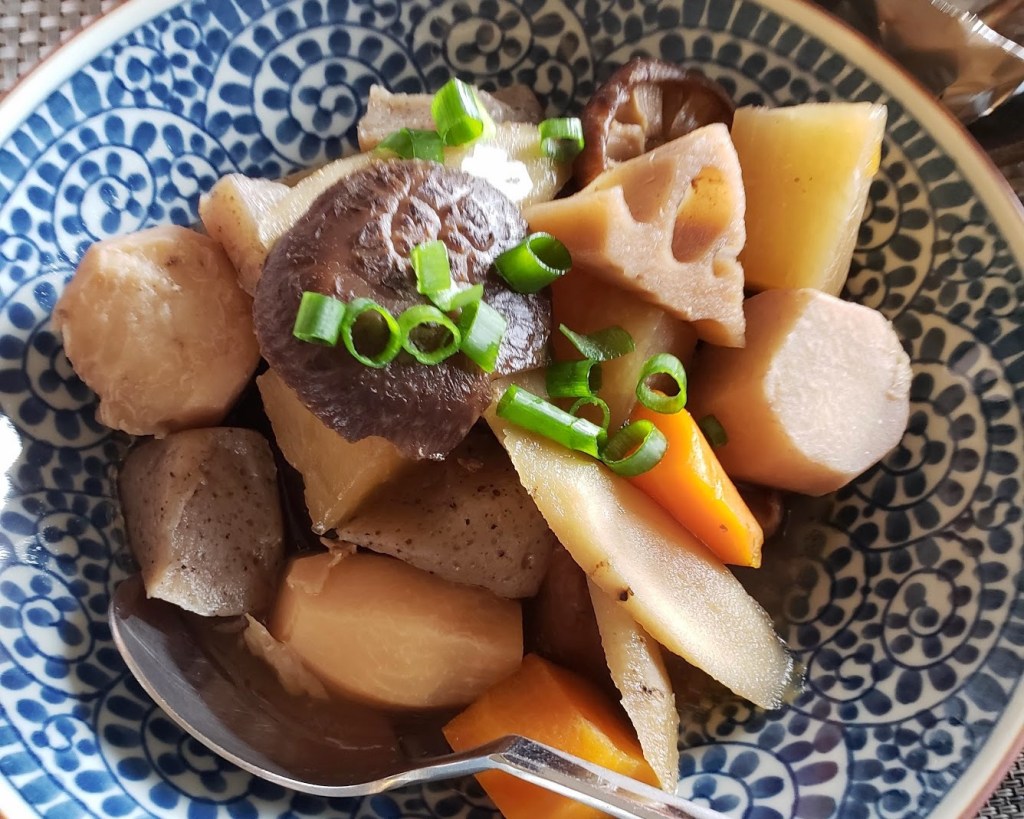
My fascination with mushrooms increased when I lived in Japan. In Japan, fruits and berries are often more expensive than they are in Canada. When I lived in Tokyo, I had a limited budget as a graduate student, which continued later as I became a teacher and freelance researcher. I couldn’t afford to buy fruits that I would typically buy in Canada, but I still wanted to eat healthily. I noticed that there was an abundance of mushrooms that I was unfamiliar with, at a very reasonable price, when grocery shopping. In Japan, at a typical supermarket you can find enoki, shimeji, shiitake, eryngii, and nameko, amongst other varieties of mushrooms. You also often encounter mushrooms when you go out to eat; they’re incorporated into stews, soups, rice dishes and omelettes. I personally often bought shimeji (one of the cheaper varieties) for dinner.
Boiled vegetables in Japan.
Coming back to Canada I missed the variety of Japanese mushrooms that were available to me before. I was still able to find enoki, eryngii, and even shiitake, but it was a little more challenging to find shimeji. On the other hand, I discovered that many mushroom varieties that I was unable to obtain in Japan were available here. When I met the mushroom vendor at the farmer’s market, I was excited about the possibilities of learning about different types of mushrooms (and maybe trying my hand at growing some of my own).
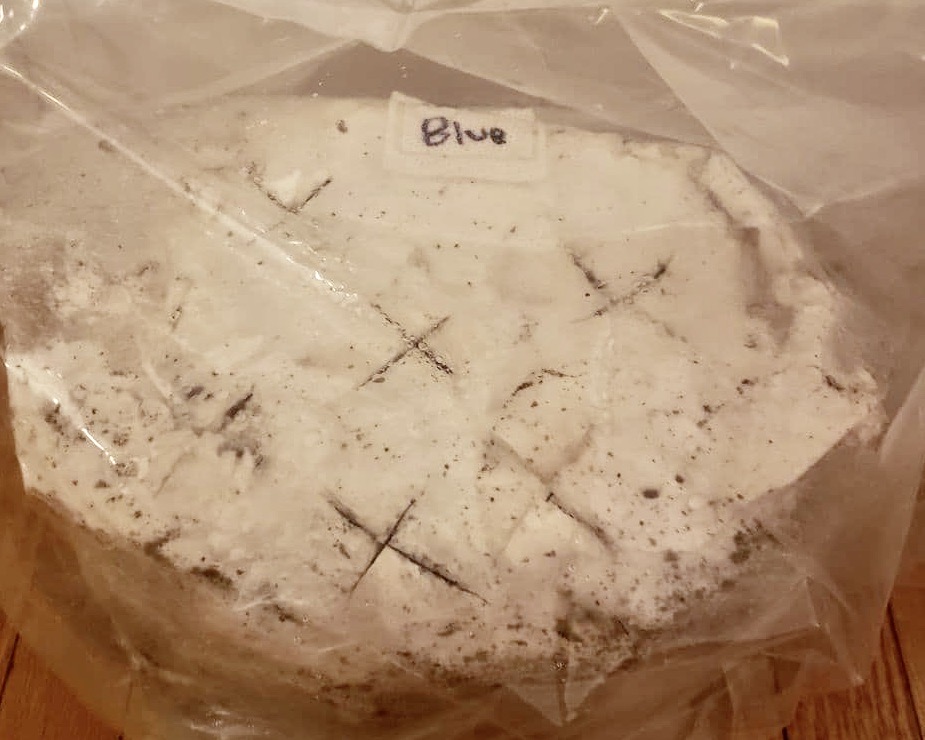
A few months later, I was reading a recent edition of the Edible Ottawa magazine, when I came across the Fungi Connection. They’re a mushroom farm in the Kingston area that develop a wide variety of mushrooms for local restaurants including lion’s mane, pink oyster, and blue oyster. Luckily for me, they also sell mushroom kits. I ordered my blue oyster mushroom kit a few weeks ago and picked it up at the farm. It was a strange looking white block that came sealed in a plastic bag. The farmer gave me some paper instructions and told me that I could contact her if I had any problems.
I later learned that the strange white block was actually a mix of mushroom mycelium and sawdust. Mycelium can be described as “the vegetative body for fungi that produces mushrooms“. According to Fungially mycelium can be thought of as a root system whereas mushrooms themselves can be thought of as fruit or flowers. You can learn more about mycelium here. In order to activate the mycelium and begin the ‘fruiting’ process, I had to cut three inch “X”s into the mycelium, mist the block, cover it with a humidity tent (clear plastic bag) and put it in a cool place with in-direct sunlight.
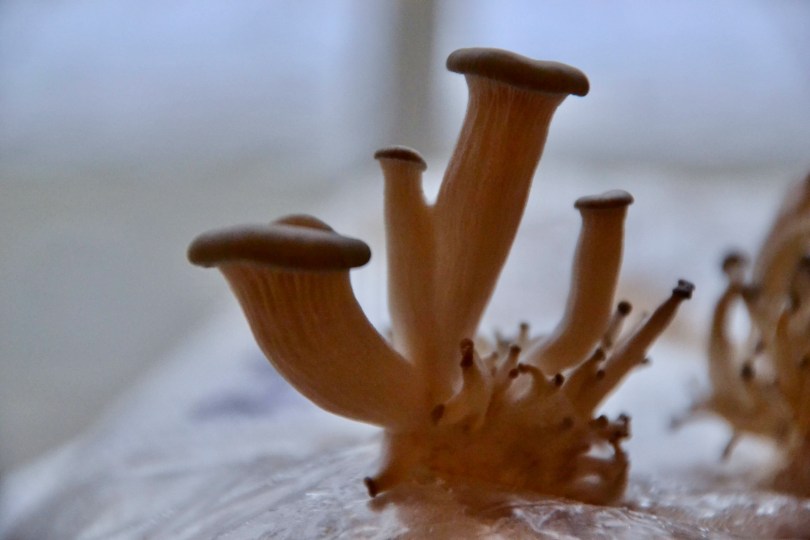
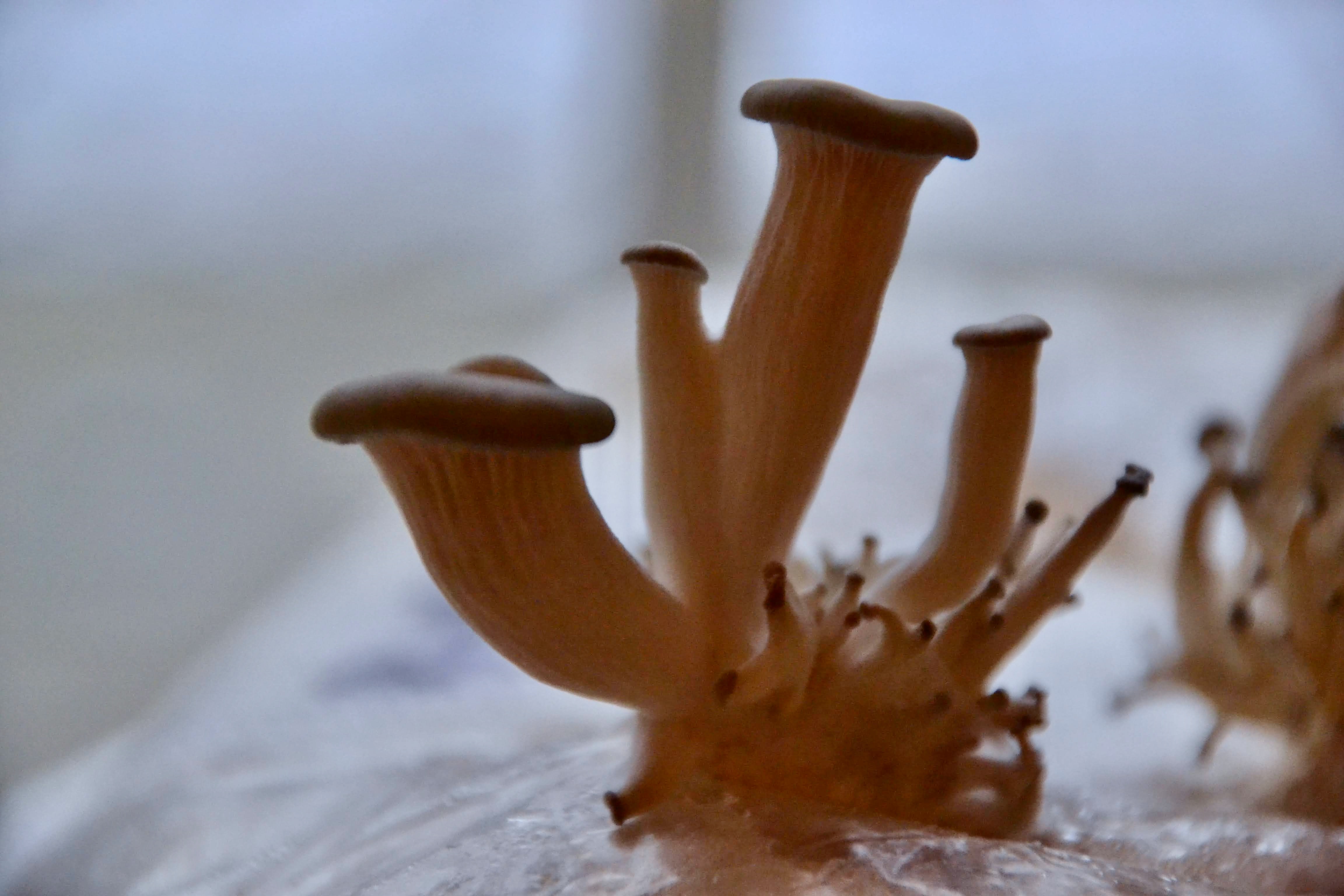
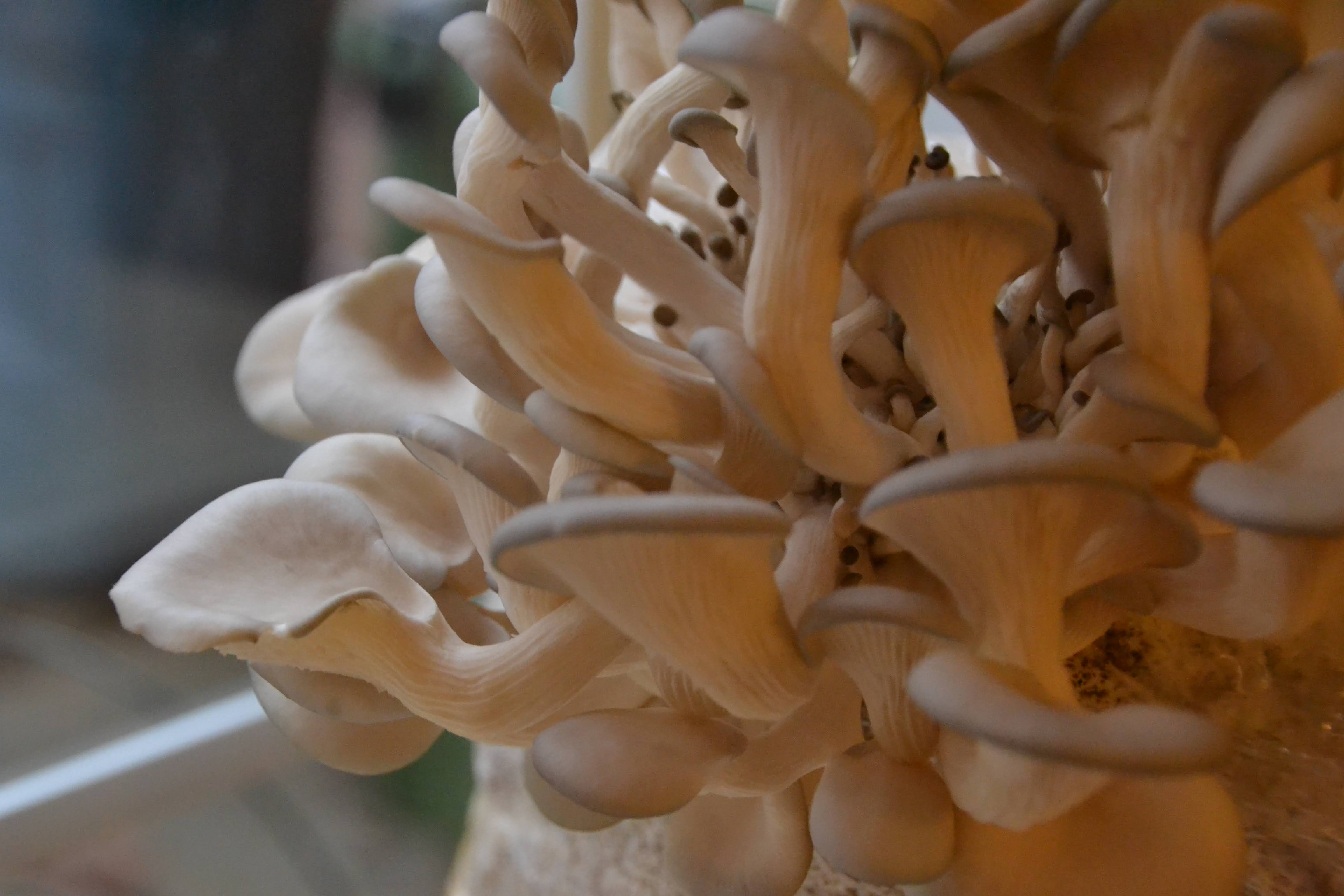
Over the past week or so, I have been dedicated to misting my mycelium block three times a day. For the first few days I was a bit skeptical, as it appeared that nothing was actually happening. However, one day seemingly dozens of tiny black heads began to sprout from the mycelium’s white surface. Hour after hour those heads grew in size, doubling day after day until the point that they began to flatten out.
The growth of my blue oyster mushrooms.
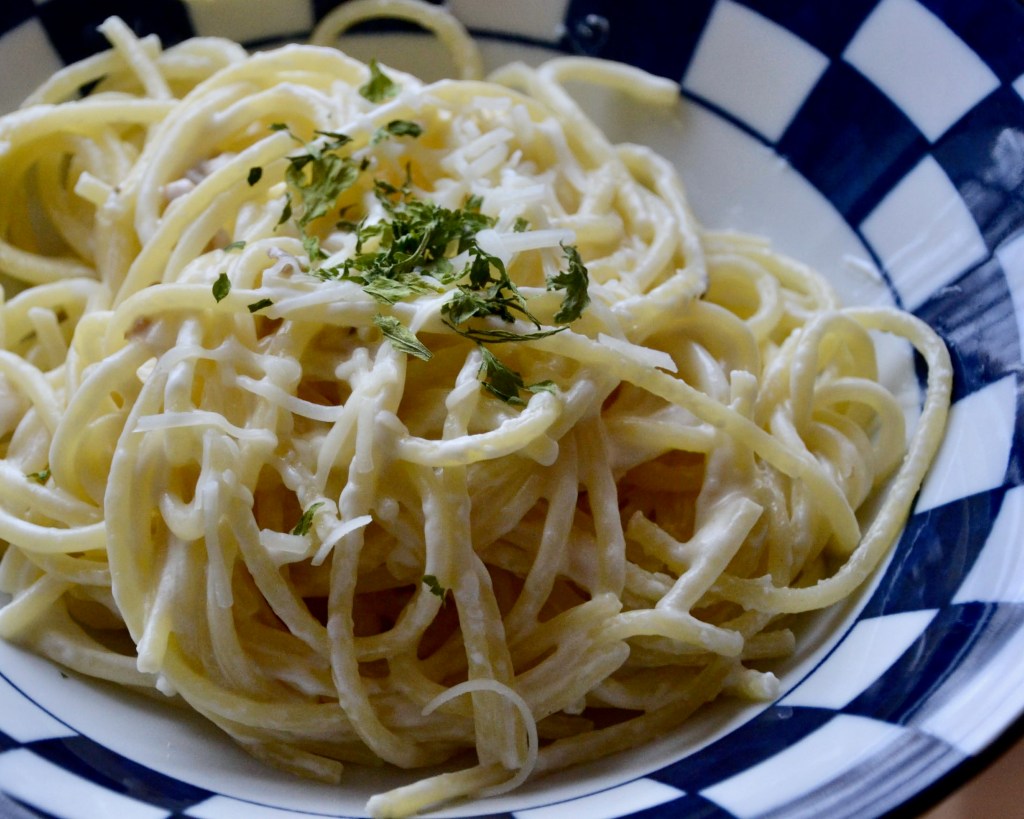
Once the mushrooms were large enough, I completed my first round of harvesting and made some spaghetti, which you can see below. I’m excited to try the mushrooms out with other recipes, there’s still quite a lot left, and even after we harvest all of this batch there should be two or more rounds. Once the mycelium block stops producing mushrooms we can compost the block in our composter.
While I’m still just beginning my journey of understanding mushrooms, in learning more about oyster mushrooms and mycelium I discovered Paul Stamets, a mycologist, and medical researcher intent on spreading knowledge about mushrooms. His YouTube channel is quite interesting, he also has done some Ted Talks that I recommend.

 Cosmos and Chickadees